GCC and China Central Banks Meet to Boost Financial Ties
 ··دقائق قراءة 2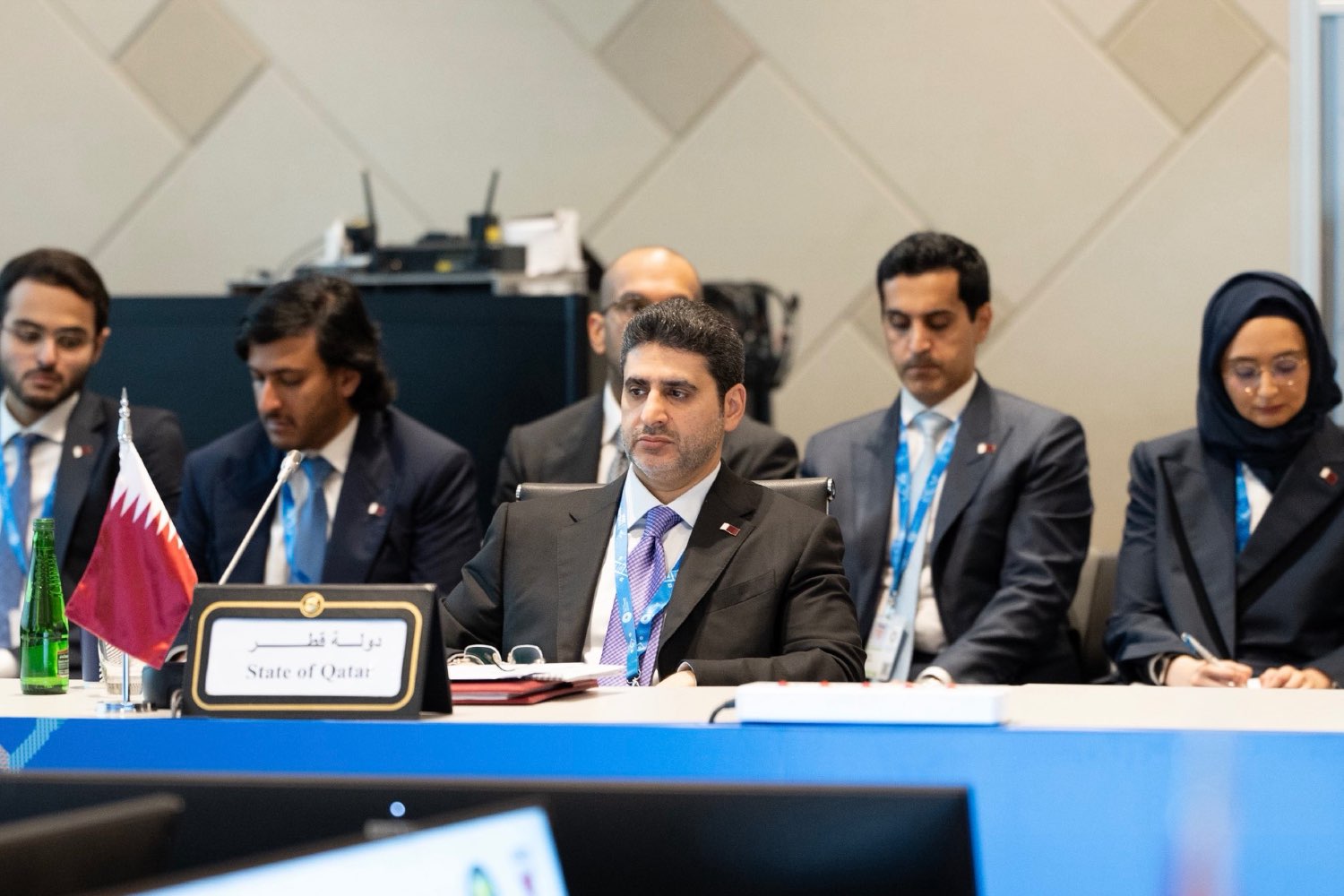
Central bank governors from the six Gulf Cooperation Council (GCC) states and the People’s Bank of China (PBOC) met in Bangkok, Thailand, on Wednesday, October 13, 2026, to discuss financial cooperation. The meeting, co-chaired by PBOC Governor Pan Gongsheng and Khalid Humaidan, governor of the Central Bank of Bahrain, took place on the sidelines of the International Monetary Fund (IMF) and World Bank Group’s 2026 Annual Meetings. The discussions focused on enhancing financial and banking ties, facilitating trade and investment, and promoting monetary and financial stability.
The meeting highlighted several key areas for cooperation, including cross-border payment and settlement systems, financial technology, innovation, and cybersecurity. The GCC Secretariat emphasized the importance of translating existing understandings and discussions into practical initiatives, supported by clear priorities and effective implementation and follow-up mechanisms.
The collaboration between GCC central banks and the PBOC has been ongoing since September 2021, marked by a joint action plan and specialized banking and financial programs. A significant milestone was achieved with a meeting in AlUla, Saudi Arabia, in February 2025, which further expanded the partnership. The current discussions in Bangkok aim to build on these previous engagements to deepen financial cooperation and foster economic growth.
The IMF and World Bank Group’s 2026 Annual Meetings, running from October 12 to 18, bring together global policymakers to discuss economic growth, financial stability, and international cooperation. The IMF’s latest World Economic Outlook, released on October 13, projects global economic growth of 3.1% in 2026, accelerating to 3.4% in 2027. The report also anticipates inflation to reach 4.7% this year, driven largely by higher energy and food prices.
Why This Matters: The meeting underscores the growing importance of financial cooperation between the GCC and China, two significant economic regions. Enhanced financial ties and technological advancements in cross-border payments can facilitate smoother trade and investment flows, contributing to global economic stability and growth.