Googlebooks OLED Displays Fall Short on Image Quality
 ··1 min read
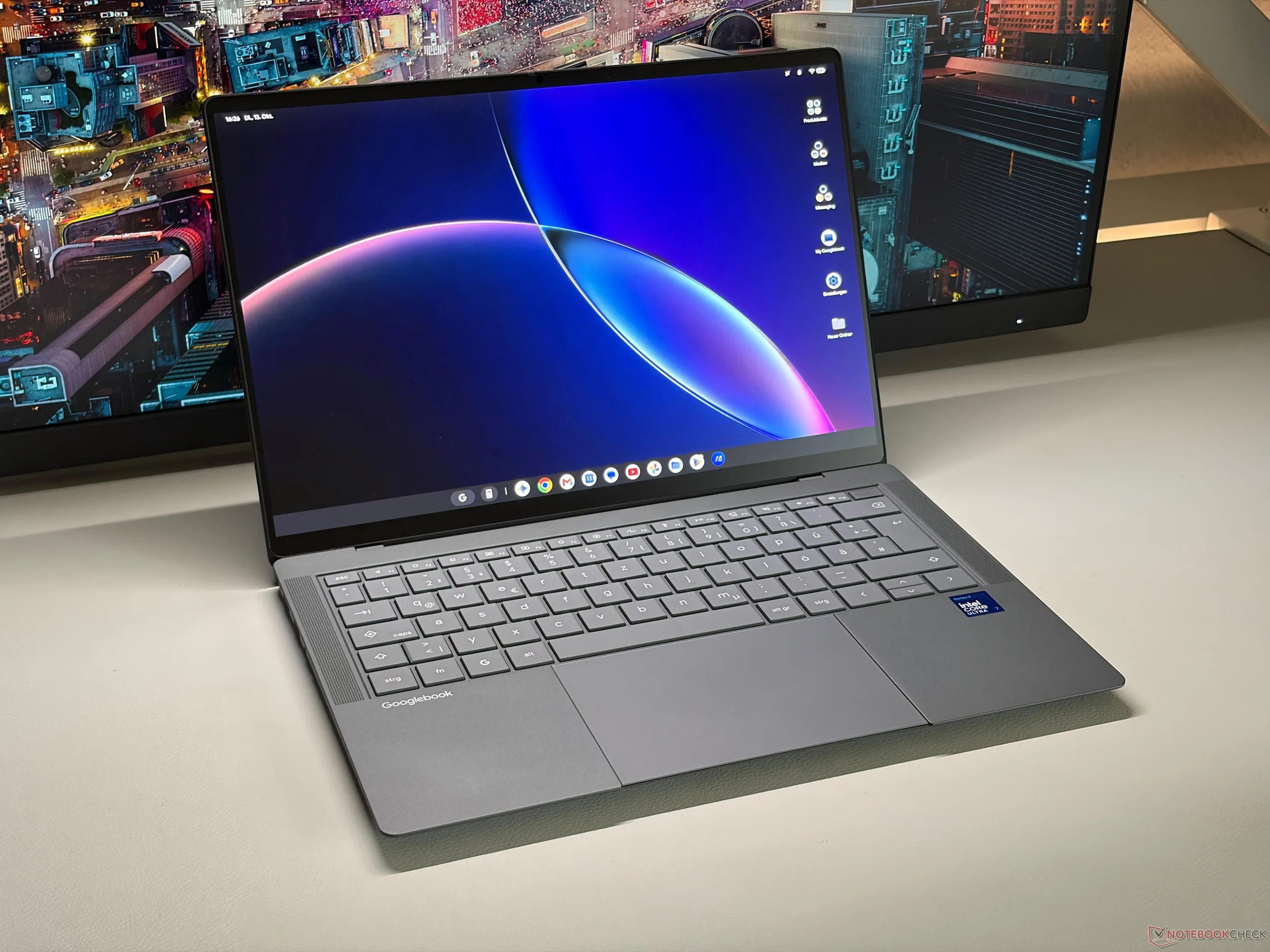
Googlebooks devices equipped with OLED displays have been criticized for not delivering the expected image quality and color accuracy. Recent reviews of the Asus Googlebook 14 and HP Googlebook 14c revealed these issues, despite the devices' high-resolution screens and premium metal designs. Both devices are limited to the sRGB color range, lacking the option to switch to the wider P3 color profile, which is supported by applications like Adobe Photoshop. This limitation hinders users' ability to fully utilize the displays for design and photo editing tasks, as Windows laptops with OLED screens typically offer multiple color profiles for enhanced display accuracy.
Additional problems were noted in the reviews. The HP Googlebook 14c currently does not support HDR content, reducing the benefit of the high brightness offered by the OLED screen. In contrast, the Asus Googlebook 14 supports HDR but has an elevated black level of 0.42, which lowers the contrast ratio to around 1200:1. This is unusual for OLED screens and approaches the performance of some IPS displays.
These issues have raised concerns about the value proposition of Googlebooks devices, which are priced at a premium and expected to deliver high-quality display performance.
**Context:** The shortcomings in the OLED displays of Googlebooks devices highlight the importance of color accuracy and contrast in professional and creative applications. Users expect high-end devices to offer superior display performance, and these issues may influence future purchasing decisions and the market perception of Googlebooks devices.