Protests and Clashes Erupt in French Cities Over Cost of Living
 ··2 min read

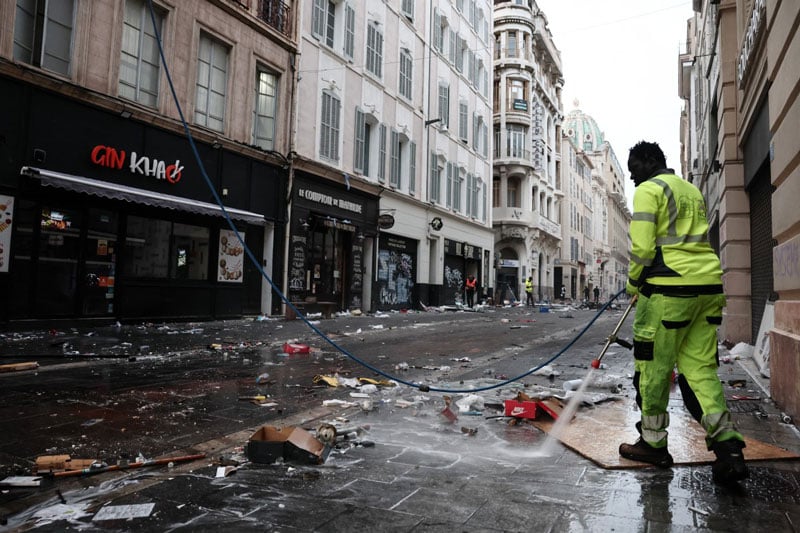
Mass protests and violent clashes erupted in French cities on Friday, as hundreds of thousands of demonstrators took to the streets to express their discontent with the rising cost of living, declining purchasing power, and deteriorating conditions in the education sector. The protests led to widespread disruptions and direct confrontations with security forces, reminiscent of major protest movements in France's recent history.
The demonstrations, which began in the morning, saw protesters gathering in major cities across the country, including Paris, Marseille, and Lyon. The protests were marked by intense clashes with police, with reports of tear gas and water cannons being used to disperse crowds. Protesters, in turn, responded with projectiles and makeshift barricades, leading to numerous arrests and injuries on both sides.
According to local authorities, the protests were largely spontaneous, with no single organizing body. However, various labor unions and student groups have expressed solidarity with the demonstrators, citing shared grievances over economic conditions and government policies. The protests come at a time of heightened economic uncertainty in France, with inflation rates soaring and wages failing to keep pace.
The French government has yet to issue an official statement in response to the protests. However, Interior Minister Gérald Darmanin has called for calm and urged protesters to express their grievances peacefully. The situation remains tense, with further protests expected in the coming days.
**Context**: France has a history of large-scale protests, often driven by economic grievances and social inequality. The current wave of protests highlights the growing discontent among the French population over the rising cost of living and economic conditions, which have been exacerbated by recent global events. The protests also underscore the potential for social unrest in the face of economic uncertainty and government policies perceived as unfavorable to the working class and students.