Morocco Imports 876,000 Cattle for Slaughter in 2026
 ··2 min read
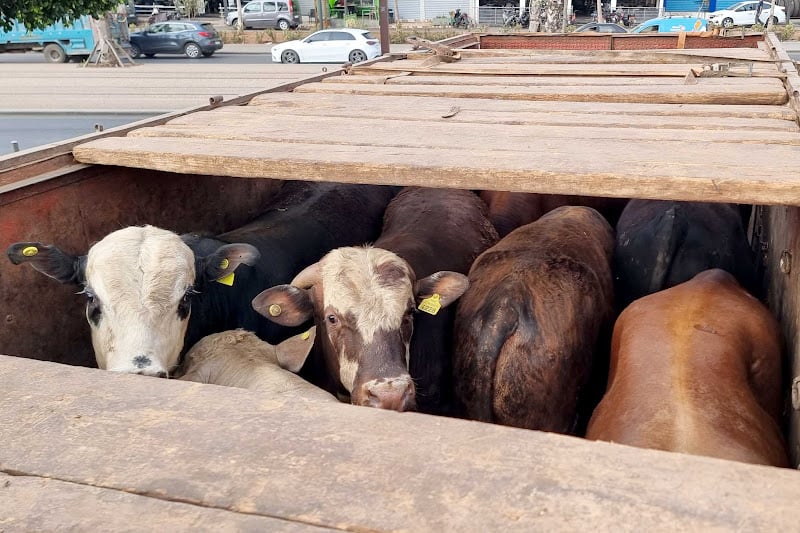
Morocco imported 876,000 cattle for slaughter in 2026, according to the Ministry of Agriculture, Maritime Fisheries, Rural Development, Water, and Forests. The imports were sourced from 37 companies, with Brazil providing over 90% of the total. The monthly import rate averaged around 24,000 cattle, with fluctuations observed throughout the year. The highest numbers were recorded in June and July, while the lowest were in August and September. In October, import requests increased following the opening of the Portuguese market, which is geographically close to Morocco.
The preference for Brazilian suppliers is due to the abundance of cattle compared to European countries. The import requests increased in the current month, coinciding with the possibility of sourcing cattle from Portugal. The government has suspended customs duties and value-added tax on the import of 300,000 cattle until December 31, 2026. The import process was open to all suppliers and professionals without prior licensing, with exemption requests submitted through the 'PORTNET' platform and processed within 24 hours.
This import process was driven by the red meat sector's situation in recent years, characterized by rising prices due to a decrease in livestock numbers ready for slaughter. This was caused by consecutive years of drought, feed scarcity, and increased costs, leading some farmers to slaughter female cattle, affecting the national market's supply. The ministry stated that the imports enhanced the domestic red meat supply and helped stabilize prices.
The import process was driven by the red meat sector's situation in recent years, characterized by rising prices due to a decrease in livestock numbers ready for slaughter. This was caused by consecutive years of drought, feed scarcity, and increased costs, leading some farmers to slaughter female cattle, affecting the national market's supply. The ministry stated that the imports enhanced the domestic red meat supply and helped stabilize prices.
The import process was driven by the red meat sector's situation in recent years, characterized by rising prices due to a decrease in livestock numbers ready for slaughter. This was caused by consecutive years of drought, feed scarcity, and increased costs, leading some farmers to slaughter female cattle, affecting the national market's supply. The ministry stated that the imports enhanced the domestic red meat supply and helped stabilize prices.
CONTEXT: Morocco's cattle imports in 2026 were a response to domestic market pressures, including drought and feed scarcity, which led to a decrease in livestock numbers and rising red meat prices. The imports, primarily from Brazil, aimed to stabilize domestic prices and ensure a steady supply of red meat. The process highlighted Morocco's reliance on international markets to address domestic agricultural challenges, reflecting broader trends in global food security and trade dynamics.