Rocket Lab Delays Neutron Rocket Launch to 2027
 ··2 min read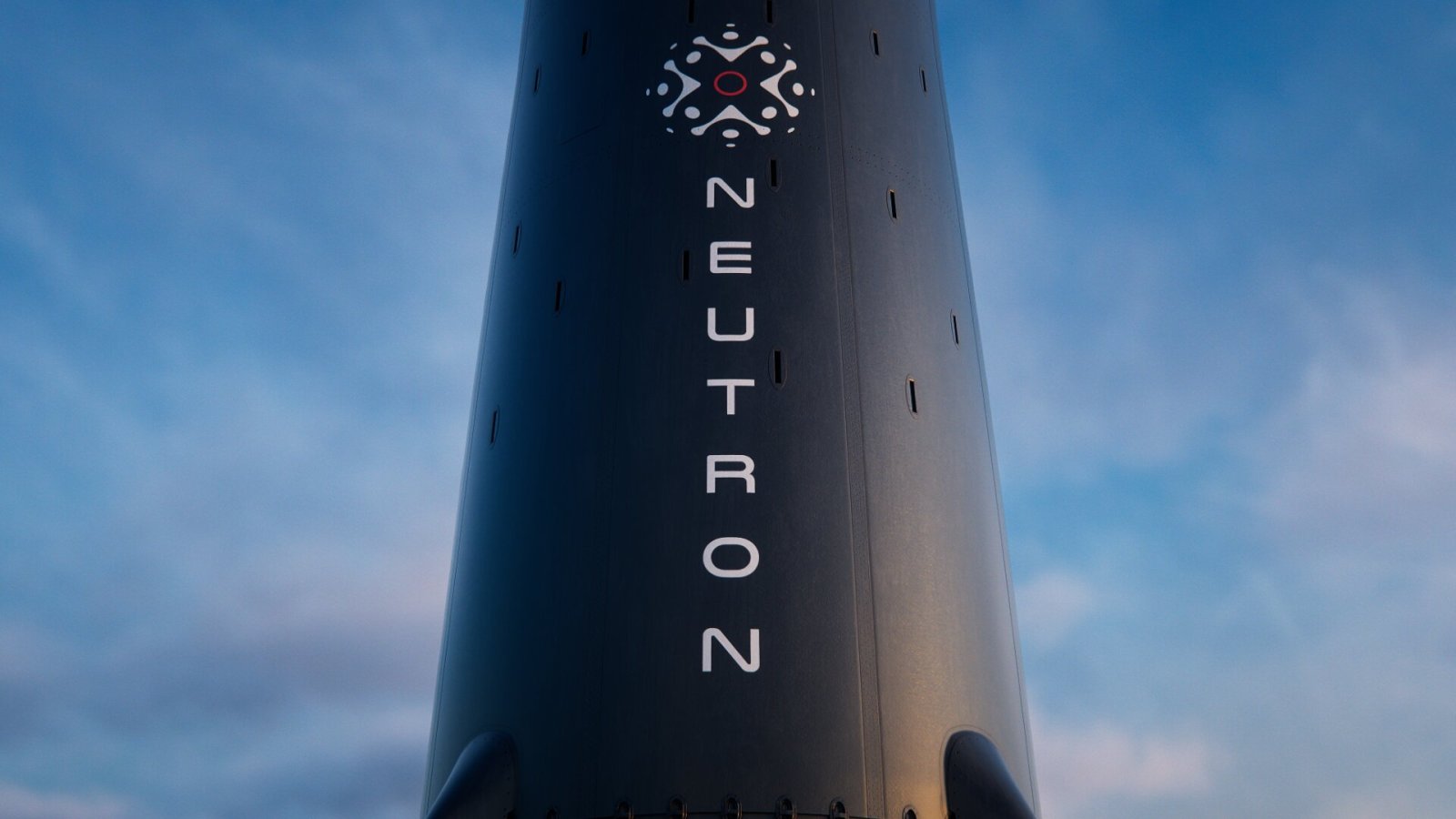
Rocket Lab has announced a further delay in the first launch of its Neutron rocket, pushing it back to 2027. The company revealed this update on October 14, citing issues with air pockets as the reason for the latest setback.
The Neutron rocket, initially expected to launch in 2024, has seen multiple delays. Previous launch dates were set for 2025 and later for the end of 2026. This is the third postponement for the project.
Rocket Lab has not provided specific details on how the air pocket issues will be addressed, but the company has stated that the delay is necessary to ensure the rocket's reliability and safety.
The Neutron rocket is designed to be a medium-lift launch vehicle, capable of carrying payloads of up to 8,000 kilograms to low Earth orbit. It is intended to complement Rocket Lab's existing Electron rocket, which has a smaller payload capacity.
Rocket Lab has been actively developing the Neutron rocket, with the aim of increasing its launch capabilities and competing in the growing market for commercial space launches.
This latest delay comes as Rocket Lab continues to expand its operations and infrastructure. The company has been investing in new launch facilities and technologies to support its growing fleet of rockets.
Rocket Lab's decision to delay the Neutron launch underscores the challenges faced by the aerospace industry in developing new launch vehicles. The company's focus on safety and reliability is a key factor in its approach to space exploration.
In the context of the rapidly evolving space industry, Rocket Lab's Neutron rocket represents a significant investment in the future of commercial space launches. The company's ability to overcome technical challenges and deliver on its promises will be crucial in maintaining its competitive edge in the market.
CONTEXT: The Neutron rocket is a key component of Rocket Lab's strategy to expand its capabilities in the commercial space launch market. The company's focus on innovation and reliability is essential for its success in this highly competitive industry.