France's Unrest Drives Market Turmoil as Debt Concerns Grow
 ··2 min read
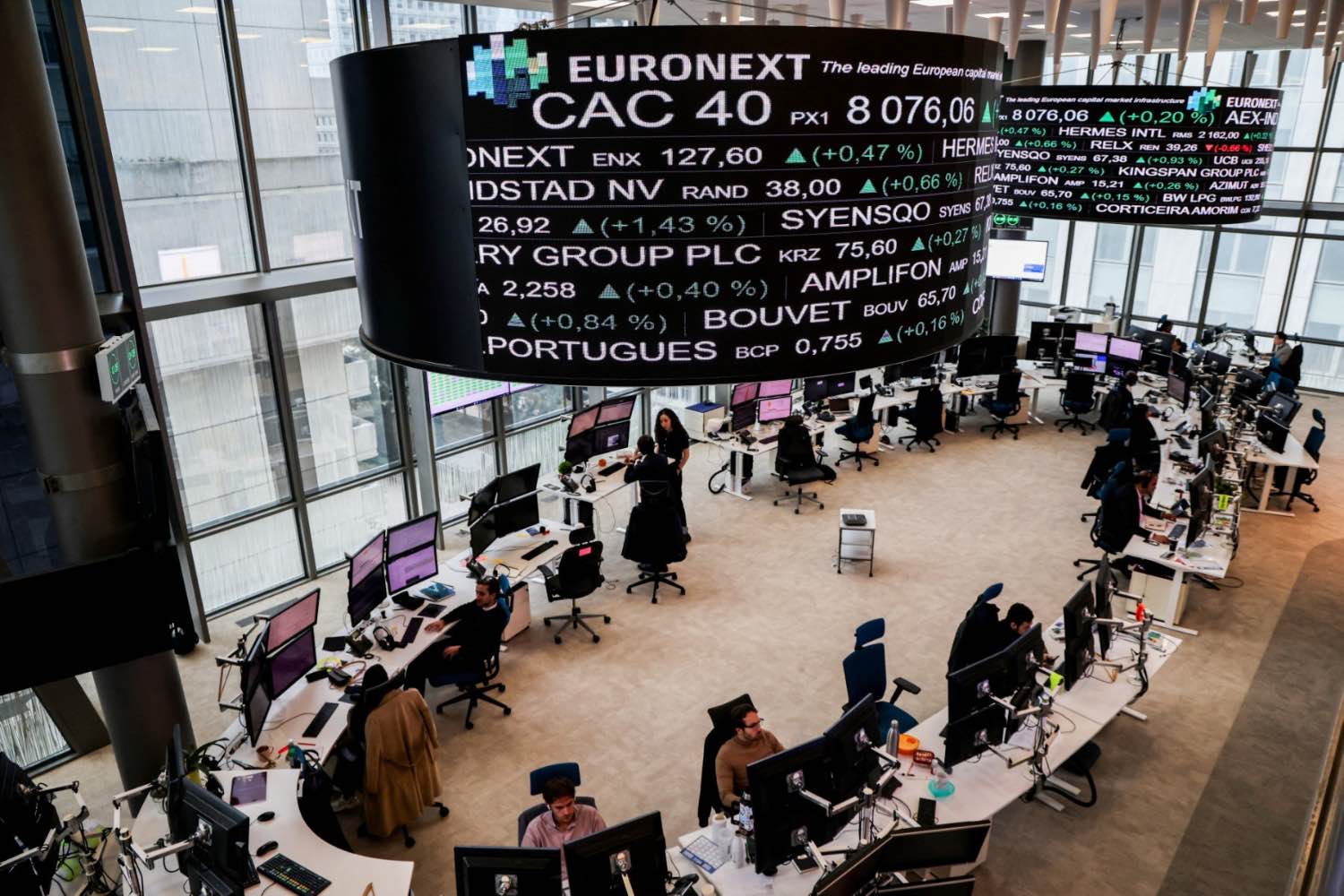
PARIS — French stocks and bonds fell Monday, with the euro weakening against the US dollar, as violent protests across France intensified concerns about the country's debt burden and political stability. The benchmark CAC 40 index fell 1.11% and the pan-European STOXX 600 declined 0.87%.
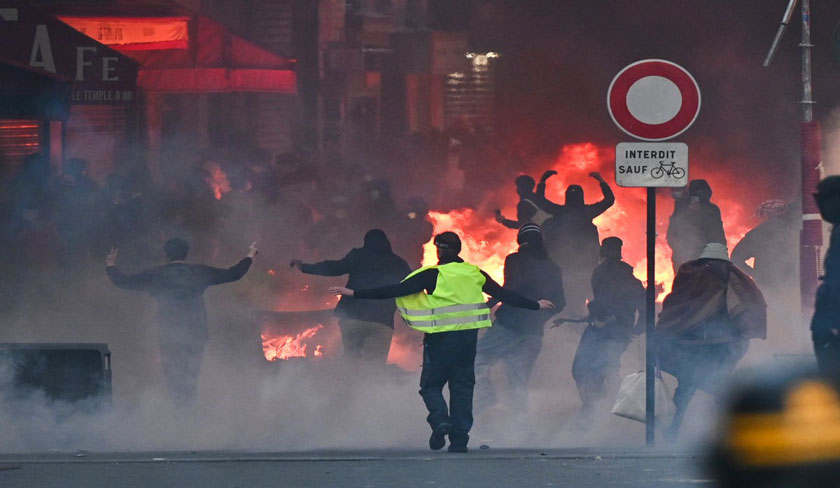
The selloff followed a weekend of nationwide demonstrations over the cost of living, political paralysis, and deteriorating public services. Nearly 2,400 people were arrested and almost 1,000 police officers and gendarmes were injured, according to France’s interior ministry on October 17. Clashes, fires, and looting accompanied the protests.
French bank shares came under particular pressure, with BNP Paribas, Société Générale, and Crédit Agricole experiencing significant losses. Retailer Carrefour and shopping mall operator Unibail-Rodamco-Westfield also saw notable declines. The euro weakened 0.28% to the US dollar, with investors questioning the stability of Prime Minister Sébastien Lecornu’s minority government and its ability to pass a credible 2027 budget.
Market pressure has been exacerbated by rising debt concerns, with the premium investors demand to hold French government bonds over German debt remaining near levels last seen during the eurozone sovereign debt crisis. The unrest has added to concerns about France’s fiscal outlook, with French borrowing costs surpassing those of Italy and Greece.
Jean-Baptiste Wautier, a senior lecturer at Sciences Po Paris, noted that the protests had exposed rather than created France’s underlying risk premium. He estimated that the demonstrations accounted for only 5 to 10 basis points of the market move, with debt, deficits, and political uncertainty explaining most of the pressure.
Wautier said the spread between French and German 10-year bonds could widen to 175 to 200 basis points if the budget fails, the government collapses, or a credit rating is downgraded. Higher yields increase the government’s borrowing costs and complicate efforts to address the country’s economic challenges.
CONTEXT: France's current unrest and the resulting market volatility highlight the broader economic and political challenges facing the country. The protests, driven by concerns over the cost of living, political instability, and deteriorating public services, have raised questions about the government's ability to manage the country's finances and maintain economic stability. The situation underscores the interconnected nature of political and economic factors in shaping market conditions and investor sentiment.