NFLPA Demands Investigation into Eagles QB's Medical Treatment
 ··2 min read
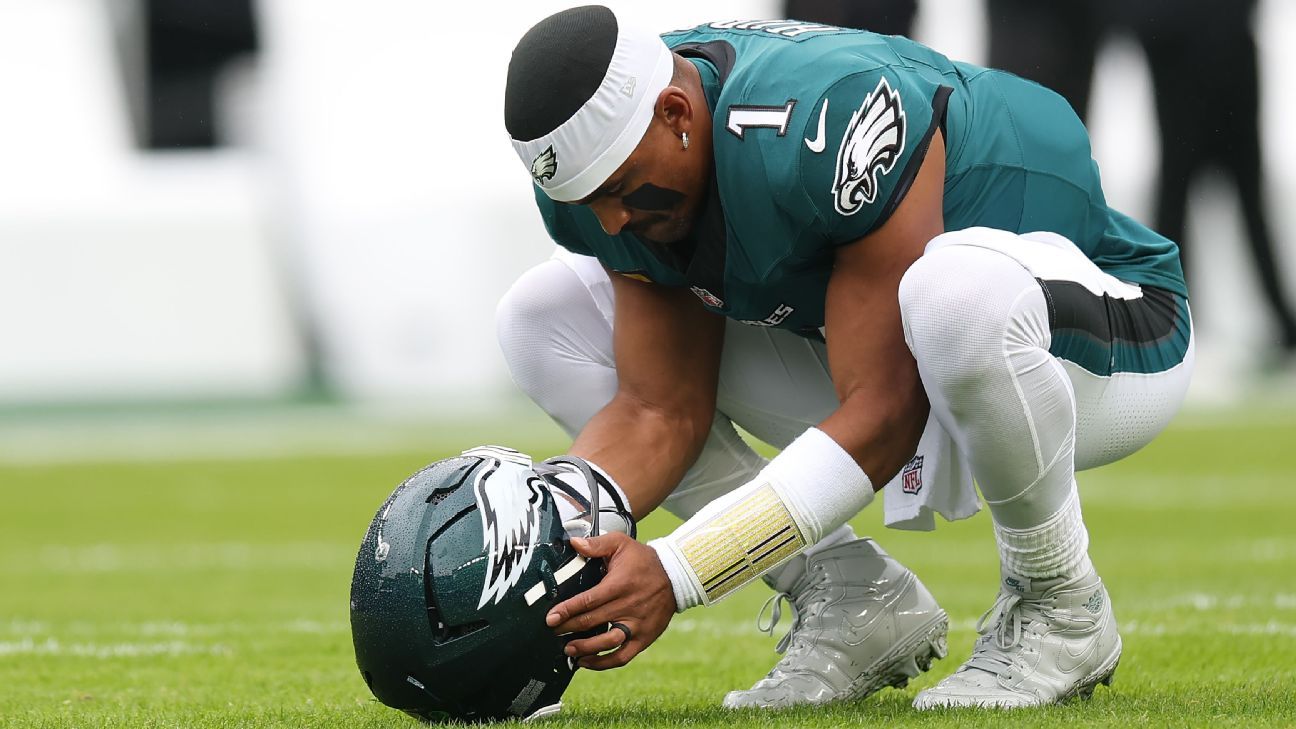
The NFL Players Association (NFLPA) has formally requested a full investigation into the medical treatment of Philadelphia Eagles quarterback Jalen Hurts. The call for an investigation comes after NFL chief medical officer Allen Sills publicly defended the medical protocols surrounding Hurts' recent blood clot issue.
Hurts, the Eagles' starting quarterback, was diagnosed with a blood clot in his arm, which led to his temporary absence from the team. The NFLPA's request for an investigation indicates a desire to ensure that all medical protocols were followed correctly and that the player received appropriate care.
The NFLPA's statement highlights the importance of thorough medical evaluations and care for players, especially in high-risk situations. The association aims to verify that the Eagles and the NFL adhered to established medical guidelines and protocols.
Allen Sills, the NFL's chief medical officer, had previously stated that the medical protocols were followed correctly in Hurts' case. However, the NFLPA's demand for an investigation suggests that there may be concerns about the adequacy of the medical care provided.
This development underscores the ongoing scrutiny and debate surrounding player health and safety in the NFL. The league has faced criticism in the past for its handling of player injuries and medical issues, leading to increased calls for transparency and accountability.
As the investigation unfolds, both the NFL and the Eagles will be under close scrutiny to ensure that all medical protocols were followed and that Hurts received the best possible care. The outcome of the investigation could have significant implications for how the NFL manages player health and safety in the future.
**Context:** The NFL has long been under pressure to improve its handling of player health and safety, with concerns ranging from concussions to other serious medical issues. The NFLPA's call for an investigation into Jalen Hurts' medical care highlights the ongoing need for transparency and accountability in the league's medical practices.