Complex Dynamics in Blended Families Can Challenge Couples
 ··2 min read
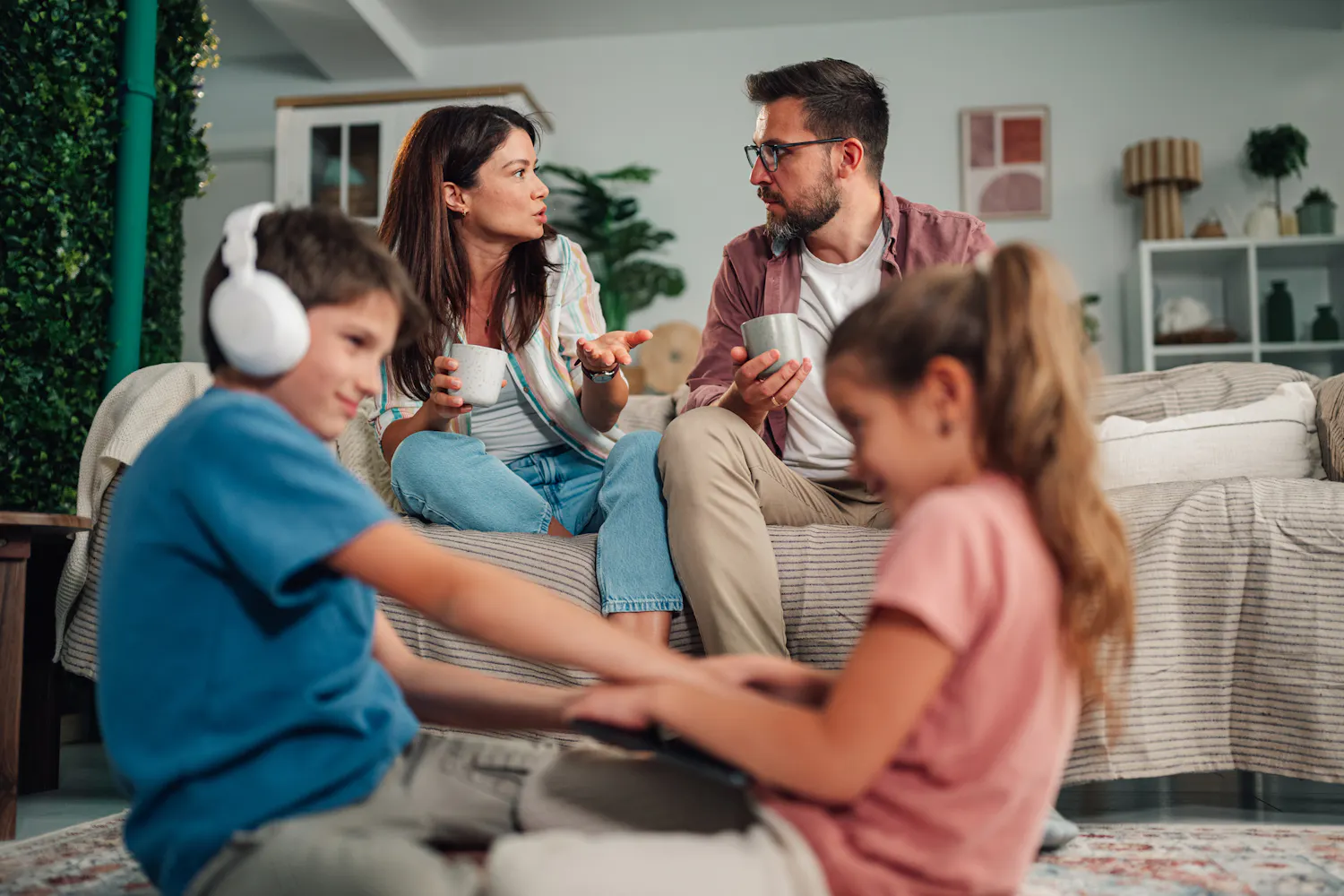
In blended families, step-parents may face difficulties in forming emotional connections with their partner's children, potentially straining the couple's relationship. This dynamic, while complex, is not always insurmountable, according to recent insights.
Blended families, where one or both partners have children from previous relationships, are increasingly common. However, the integration of these children into a new family unit can be fraught with challenges. Step-parents may struggle to form emotional bonds with their partner's children, leading to tension and conflict within the household.
Experts suggest that these difficulties can arise from a variety of factors, including differing parenting styles, unresolved emotions from previous relationships, and the children's own resistance to accepting a new parental figure. These issues can create a stressful environment, potentially leading to a breakdown in communication and emotional support between the couple.
Despite these challenges, it is not inevitable that such situations will lead to the dissolution of the relationship. With open communication, patience, and a willingness to adapt, couples can navigate these complexities and strengthen their bond. Seeking professional help, such as family therapy, can also provide valuable tools and strategies for managing these dynamics.
In some cases, the strain caused by these family dynamics can be so severe that it threatens the stability of the couple's relationship. However, recognizing the underlying issues and taking proactive steps to address them can help couples overcome these obstacles and build a more harmonious family environment.
CONTEXT: Blended families are a growing demographic, reflecting societal shifts towards divorce, remarriage, and cohabitation. Understanding the unique challenges they face is crucial for supporting the well-being of all family members, including the couple and their children.