Colorado River Basin Faces Dual Water Crisis
 ··2 min read
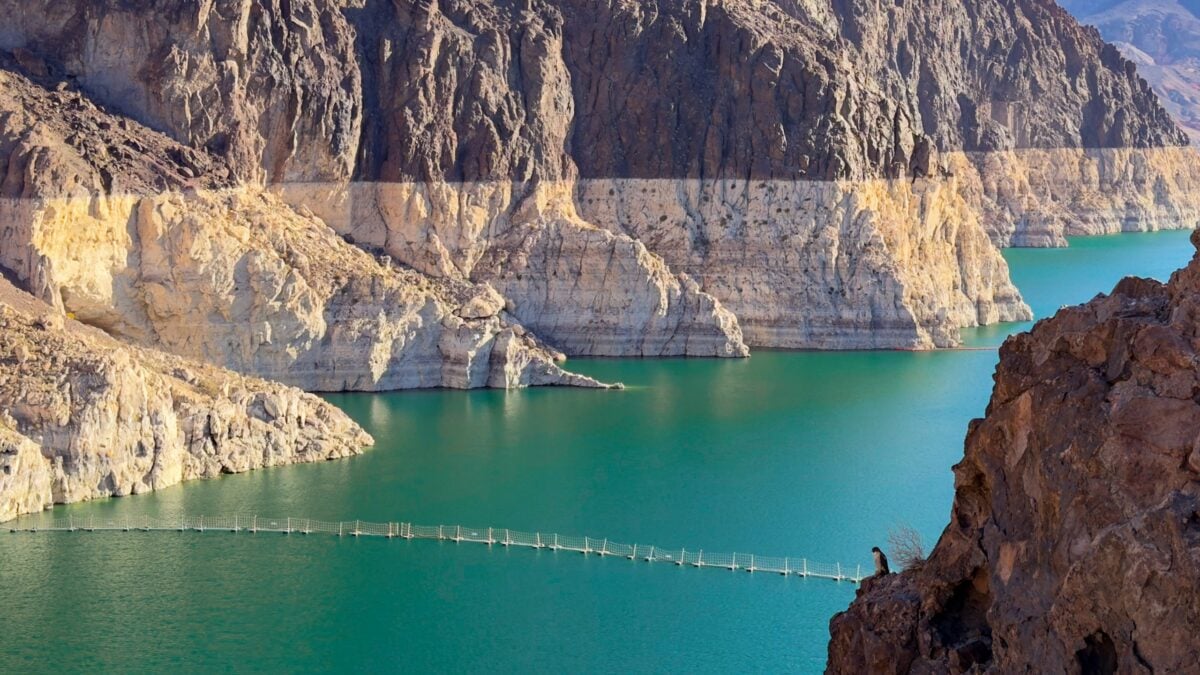
Water supplies in the Colorado River Basin are facing a dual crisis, with both primary and backup sources diminishing. The basin, which stretches across seven U.S. states and two Mexican states, is experiencing unprecedented water shortages. The Colorado River, the basin's primary water source, has seen significantly reduced flow due to prolonged drought and increased demand. Now, the basin's backup water supply, groundwater, is also drying up.
The Colorado River Basin supplies water to approximately 40 million people and irrigates vast agricultural lands. The river's flow has decreased by about 20% over the past century, primarily due to climate change and human consumption. This reduction has led to historically low water levels in the basin's two largest reservoirs, Lake Mead and Lake Powell. Lake Mead, the largest reservoir in the U.S. by volume, is currently at its lowest level since the 1930s.
In response to the crisis, the U.S. Bureau of Reclamation has implemented water cuts for states that rely on the Colorado River. The cuts, which began in 2022, are expected to continue through 2026. The reductions aim to preserve water levels in Lake Mead and Lake Powell, but they have also highlighted the basin's reliance on groundwater as a backup water source. Groundwater, which is typically used during droughts, is now also in short supply due to increased pumping and lack of replenishment.
The groundwater depletion is particularly concerning in areas like the Upper Basin, which includes parts of Wyoming, Utah, and Colorado. These regions rely heavily on groundwater for agriculture and municipal use. The depletion of groundwater reserves threatens the long-term sustainability of these communities and industries.
The water crisis in the Colorado River Basin underscores the urgent need for water management strategies that consider both surface water and groundwater resources. Experts warn that without significant changes in water use and conservation efforts, the basin could face a severe water shortage in the coming decades. The situation is exacerbated by climate change, which is expected to further reduce the river's flow and increase the frequency and severity of droughts.
CONTEXT: The Colorado River Basin's water crisis highlights the challenges of managing water resources in the face of climate change and increased demand. The basin's dual water crisis, with both surface water and groundwater supplies dwindling, threatens the livelihoods of millions of people and the sustainability of vast agricultural lands. Effective water management strategies are crucial to mitigate the impacts of the crisis and ensure the long-term sustainability of the basin's water resources.