Sahrawi Polisario Front Expresses Concerns Over UN Envoy's Approach
 ··2 min read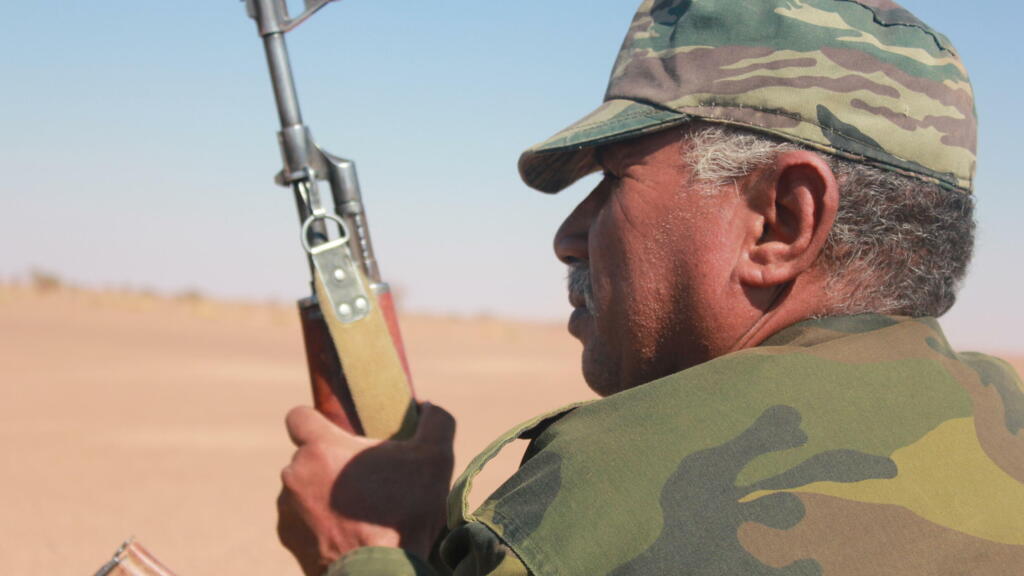
The Polisario Front, the Sahrawi independence movement, has expressed concerns about the approach of the UN envoy in the Western Sahara conflict. The statement came two weeks before the UN Security Council is set to vote on extending the mandate of the UN Mission for the Referendum in Western Sahara (MINURSO).
The Polisario Front, in a statement released on October 13, highlighted significant disagreements with the methods employed by the UN's personal envoy, Staffan de Mistura. The movement, however, clarified that it remains committed to the negotiation process that began earlier this year. The statement was issued following closed-door meetings of the UN Security Council.
The Polisario Front's concerns center around the strategies and tactics used by de Mistura in his role as the UN envoy. Despite these reservations, the movement has not indicated a willingness to break off from the ongoing negotiations. The UN Security Council is scheduled to vote on the extension of MINURSO's mandate in the coming weeks, making this a critical period for the conflict's diplomatic efforts.
This development comes as the UN continues to facilitate negotiations between the Polisario Front and Morocco, which controls most of Western Sahara. The conflict, which has been ongoing since the 1970s, involves territorial claims over the Western Sahara region. The Polisario Front seeks independence for the region, while Morocco asserts sovereignty over it.
Context/Background: The Western Sahara conflict has been a long-standing issue in North Africa, with the UN playing a crucial role in mediation efforts. The Polisario Front's recent statement underscores the complexities and challenges involved in resolving this protracted dispute. The outcome of the upcoming UN Security Council vote on MINURSO's mandate will significantly impact the future of diplomatic efforts in the region. The Polisario Front's decision to voice its concerns while remaining engaged in negotiations highlights the delicate balance between maintaining dialogue and addressing grievances in the conflict resolution process.