Chewing Gum: Potential Benefits for Dental Health
 ··1 min read
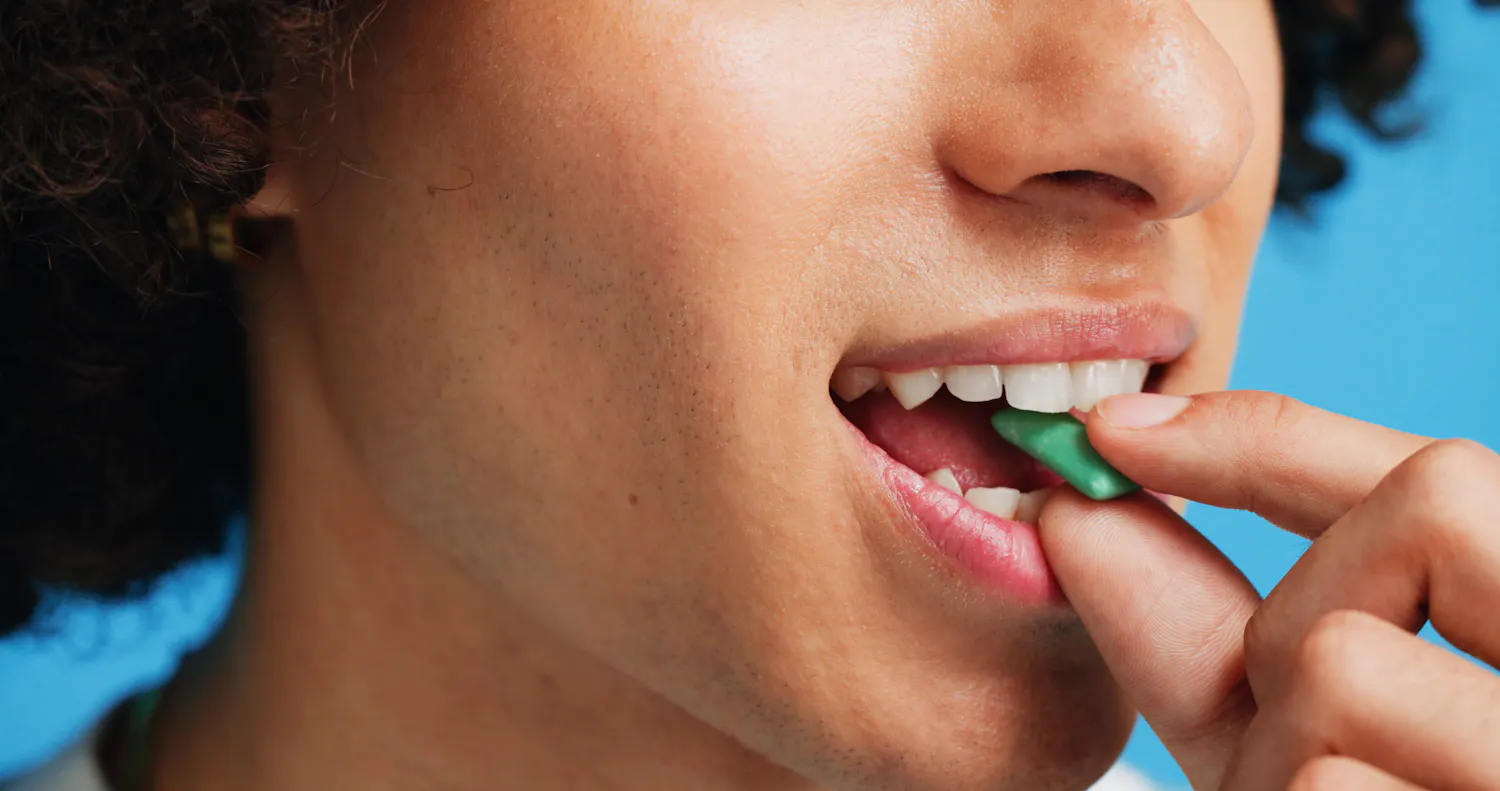
Recent findings suggest that chewing gum may offer benefits for dental health, depending on its composition and usage. The effects of chewing gum on teeth are not universally positive, but under certain conditions, it can have beneficial impacts.
Chewing gum can help protect teeth, but this depends on what it is made of and how it is consumed. The benefits are not a substitute for regular brushing.
Research indicates that chewing gum can stimulate saliva production, which helps to neutralize acids in the mouth and reduce the risk of tooth decay. Saliva also aids in remineralizing tooth enamel, further protecting teeth.
However, the benefits of chewing gum are contingent on its ingredients. Sugar-free gum is recommended, as sugary gum can contribute to tooth decay. Additionally, gum containing xylitol, a natural sweetener, has been shown to have added benefits for dental health.
Experts caution that while chewing gum can offer some benefits, it should not replace regular oral hygiene practices. Proper brushing and flossing remain essential for maintaining good dental health.
**Context:** The findings on chewing gum's potential benefits for dental health are significant as they provide an additional tool for maintaining oral health. With proper usage, chewing gum can complement regular dental care routines, offering a convenient way to support dental health between brushings.