Toronto Biennial Expands to New Sites, Explores Rupture and Water
 ··2 min read
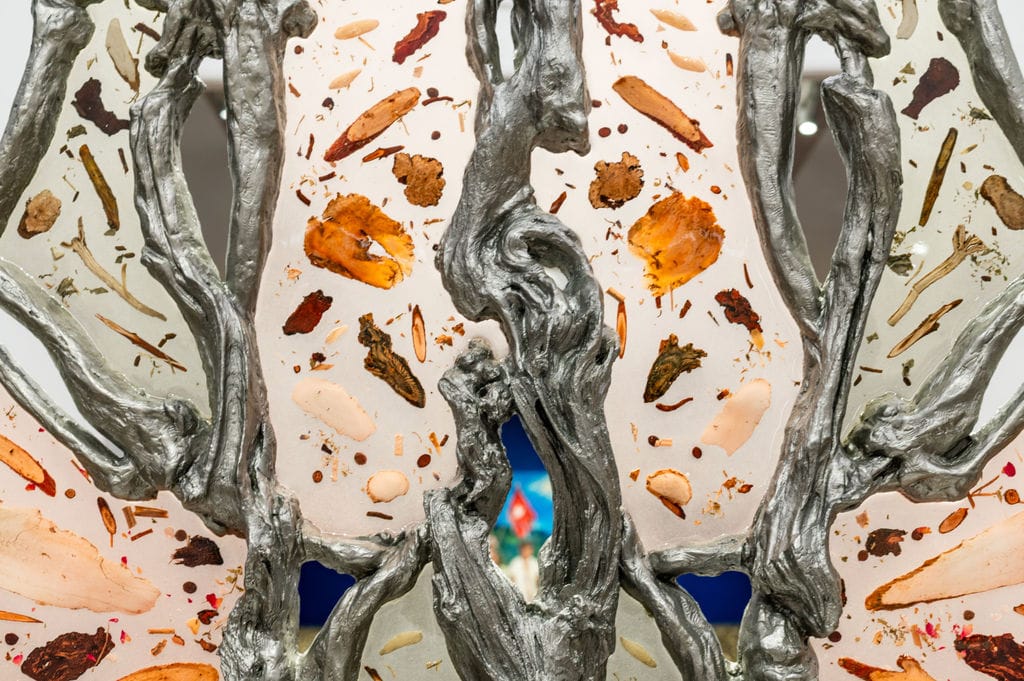
The fourth Toronto Biennial of Art, titled 'Things Fall Apart', has expanded its reach to include sites in Anchorage, Alaska, and Times Square, New York, in addition to its main venues in Toronto. The biennial, curated by Allison Glenn, opened this year, marking its fourth edition.
The exhibition features over 30 artists and collectives, exploring themes of rupture, histories, borders, and movement, with a particular focus on water and the Great Lakes. This year's edition is the first to extend beyond Toronto's borders.
At the Art Gallery of Ontario, Dawoud Bey's work 'Material Histories, Living Landscapes' is on display. The installation combines photographs, video, and sculptures, creating a dialogue between the afterlife of slavery and the physical world. The video '350,000' (2023) features dense woods, heavy breathing, and black-and-white landscapes, suggesting the ongoing struggle for racial justice.
At the University of Toronto Art Centre, Antonio Obá's installation 'Jardim' (2022–26) features rows of brass bells that visitors can interact with as they walk through the gallery. The installation is part of the biennial's exploration of rupture and its effects on the environment and society.
The biennial's title, 'Things Fall Apart', is inspired by a quote from Canadian Prime Minister Mark Carney, who stated that the world is in the midst of a rupture, not a transition. This theme is reflected in the exhibition's exploration of the Great Lakes and the shared waterways between Canada and the United States, as well as the current state of Canada-U.S. relations.
CONTEXT: The Toronto Biennial of Art is a significant cultural event that brings together artists from around the world to explore contemporary issues. This year's edition, 'Things Fall Apart', is particularly notable for its expansion beyond Toronto and its focus on the Great Lakes and shared waterways. The biennial's exploration of rupture and its effects on the environment and society is timely, given the current state of Canada-U.S. relations and the ongoing struggle for racial justice.