Autumn's Nutritional Powerhouses: Sweet Potato and Pumpkin
 ··2 min read
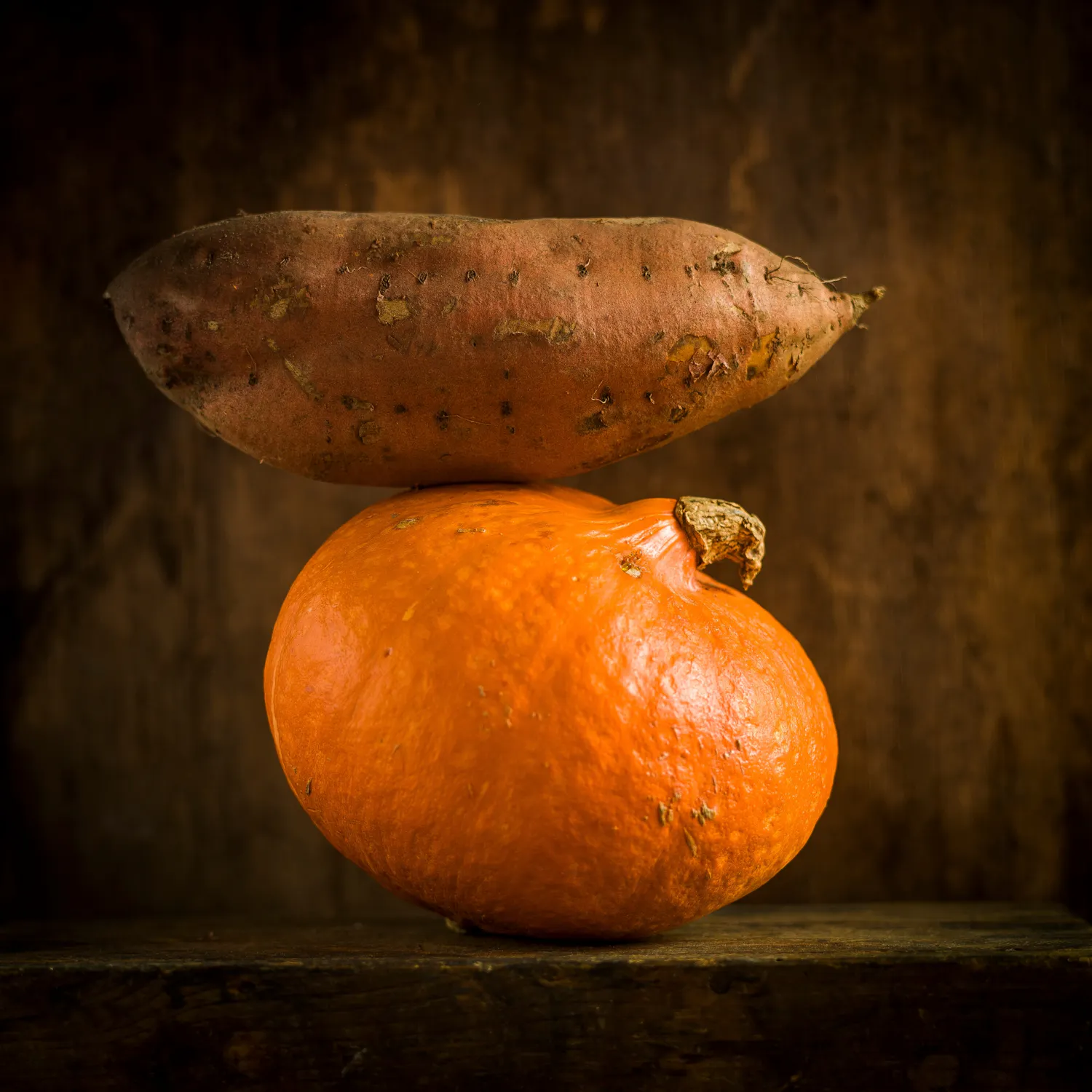
As autumn arrives, sweet potatoes and pumpkins are becoming more available. Both root vegetables offer distinct nutritional benefits that complement each other.
Sweet potatoes are rich in vitamin A, which is essential for maintaining good vision and supporting the immune system. They also provide a significant amount of vitamin C, which aids in collagen production and helps protect cells from damage. Additionally, sweet potatoes contain potassium, a mineral crucial for heart health and muscle function.
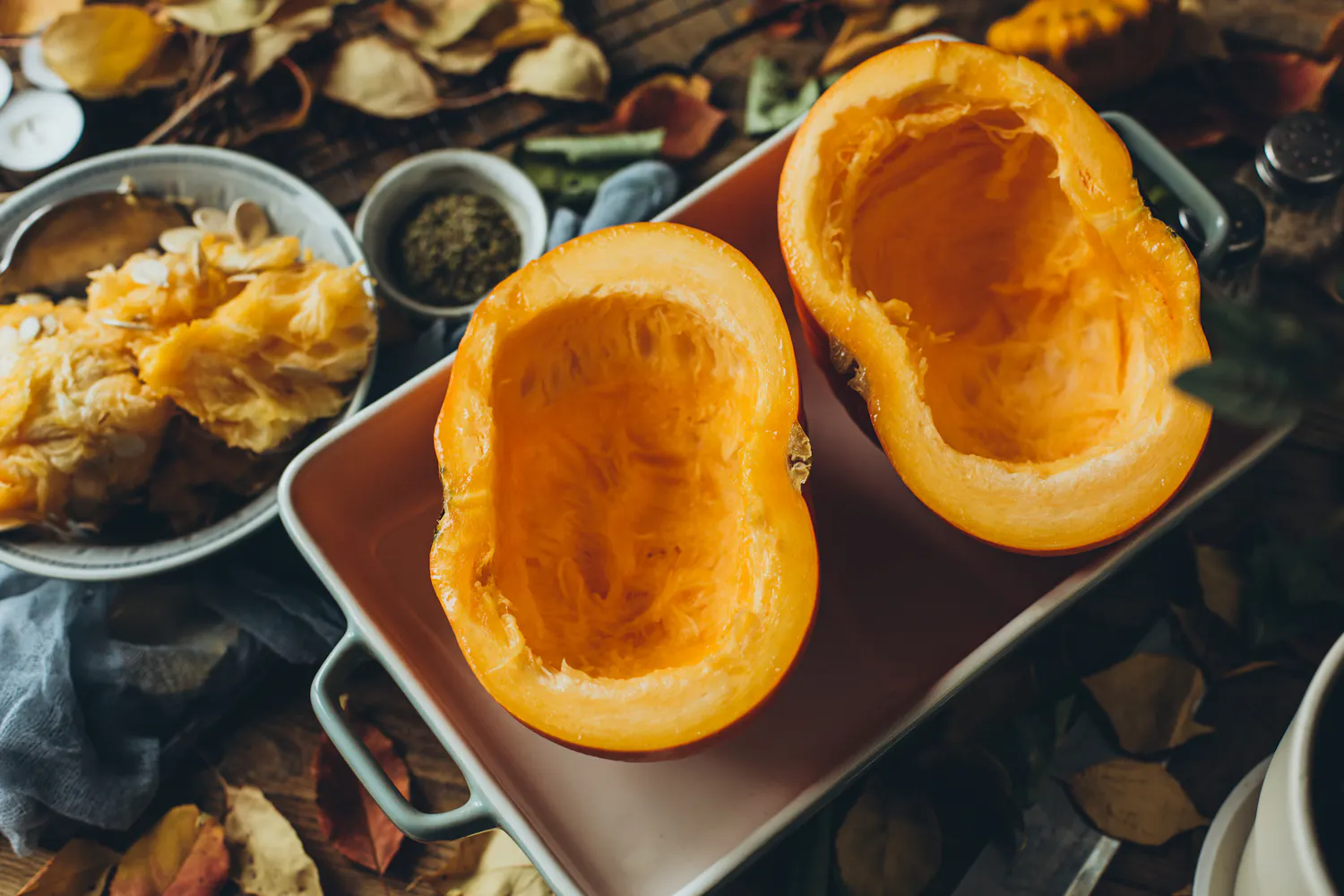
Pumpkins, on the other hand, are an excellent source of vitamin A and also contain vitamin C. They are particularly high in antioxidants, which help combat inflammation and reduce the risk of chronic diseases. Pumpkins are also a good source of fiber, which supports digestive health and helps maintain stable blood sugar levels.
Both sweet potatoes and pumpkins can be incorporated into a balanced diet through various recipes. They can be roasted, baked, or steamed, and used in both sweet and savory dishes. For example, sweet potato can be used in soups, stews, or even as a base for pancakes. Pumpkin can be added to curries, risottos, or made into pies and other desserts.
Incorporating these seasonal vegetables into meals can provide a range of health benefits. They are not only nutritious but also versatile, making them easy to include in a variety of dishes.
**Context/Background:**
Understanding the nutritional benefits of seasonal vegetables like sweet potatoes and pumpkins is important for maintaining a healthy diet. These vegetables are not only delicious but also packed with essential vitamins and minerals that support overall health. As autumn progresses, incorporating these vegetables into meals can help ensure a balanced and nutritious diet.