University of Pittsburgh's Cathedral of Learning Celebrates 100 Years
 ··2 min read
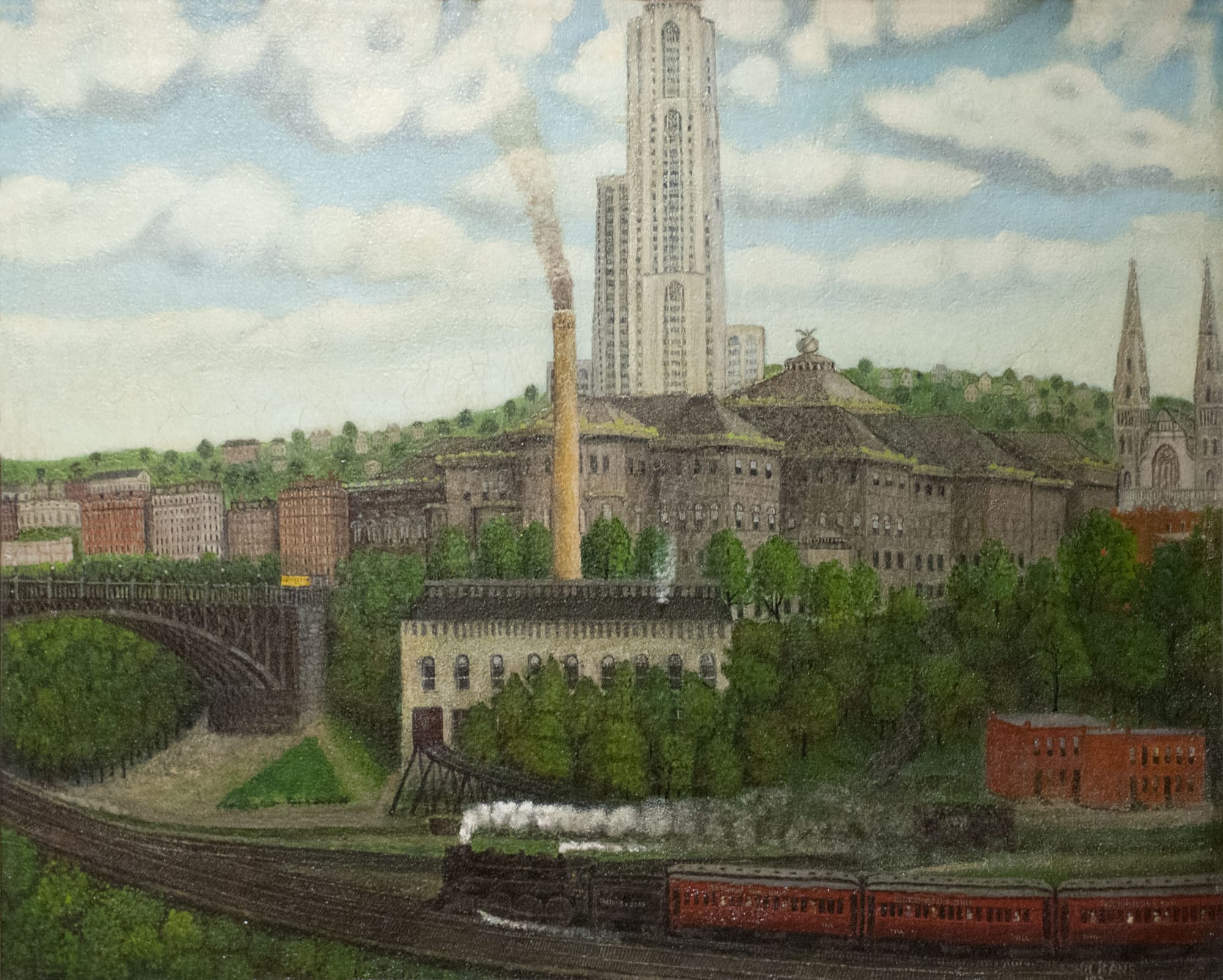
The Cathedral of Learning at the University of Pittsburgh is celebrating its 100th anniversary this year, marking a century since its groundbreaking. The towering neo-Gothic structure, located in the heart of the university's campus in the Oakland neighborhood of Pittsburgh, was envisioned by the university's tenth chancellor, John G. Bowman.
Bowman, originally from Iowa, unveiled his ambitious plan to construct the 52-story academic skyscraper in November 1924. The proposal was presented to over a hundred business leaders and the university's board of trustees at the University Club. The site chosen for the building was an empty field recently purchased by banker and trustee Andrew W. Mellon.
The Cathedral of Learning was designed by architect Charles Zeller Klauder. The building's design was inspired by the Gothic architecture of medieval cathedrals, earning it the nickname that has since become its official name. The structure was intended to serve as a monument to the idea of education and a center for academic pursuits.
The building's construction began in 1926 and was completed in 1937. It stands at the almost exact geographical center of Allegheny County. The Cathedral of Learning is not only a significant architectural landmark but also a testament to the vision of its founders and the community's commitment to education.
Over the years, the Cathedral of Learning has become an iconic symbol of the University of Pittsburgh and the city of Pittsburgh itself. It has witnessed numerous historical events and has been a backdrop for various cultural and academic activities.
CONTEXT: The Cathedral of Learning's centennial is a significant milestone, highlighting the enduring impact of ambitious educational initiatives. It stands as a reminder of a time when substantial investments were made in higher education, not merely for corporate gain, but to inspire awe and foster a love for learning. The building's unique design and historical significance make it a cherished landmark in Pittsburgh's cultural landscape.