Moroccan Prime Minister Faces Criticism Over Speech
 ··2 min read
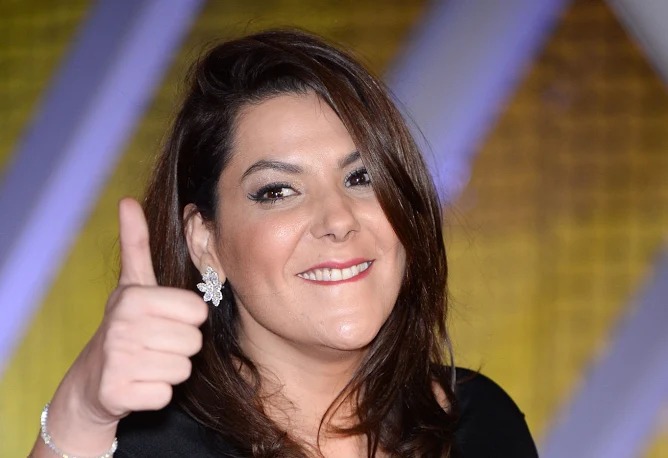
Moroccan Prime Minister Fatima-Zahra Mansouri faced widespread criticism and ridicule after struggling to read a prepared speech in classical Arabic during her first appearance before parliament on October 19, 2026. Video clips of her speech quickly circulated on social media, drawing attention to her linguistic difficulties rather than the content of her address.
Mansouri, a graduate of a law college and a former lawyer, stumbled over several words and phrases, leading to a wave of criticism and mockery online. Critics questioned how she would handle press conferences and direct interviews, where prepared texts may not be sufficient. Some users compared her performance to that of foreign officials who are fluent in Arabic, while others advised her to rehearse her speeches more thoroughly.
The incident sparked a broader debate about the linguistic proficiency expected of high-ranking officials in Morocco. Some critics argued that a leader should be proficient in the country's official language, while others pointed out that Mansouri's background should have equipped her with better public speaking skills.
This is not the first time a Moroccan politician has faced criticism over linguistic abilities. In 2013, then-Prime Minister Abdelilah Benkirane was criticized for his use of Darija, the Moroccan dialect of Arabic, in official settings where classical Arabic is expected. However, the criticism directed at Mansouri has been notably harsher, with some users questioning her suitability for the role of Prime Minister.
Mansouri's office has not yet issued a statement addressing the criticism. The Moroccan government has also remained silent on the matter, leaving many to wonder how the situation will be handled moving forward. The incident has raised questions about the expectations placed on political leaders in Morocco and the importance of linguistic proficiency in public office.
CONTEXT: This incident highlights the linguistic challenges faced by politicians in multilingual societies and the high expectations placed on public figures to communicate effectively in official languages. It also underscores the role of social media in amplifying criticism and shaping public perception of political leaders. In Morocco, the use of classical Arabic in official settings is a contentious issue, with some advocating for a greater role for Darija, the Moroccan dialect. This debate is likely to continue, especially as more women enter politics and challenge traditional norms.