
Gulf Nations Plan to Reduce Reliance on Strait of Hormuz
 ··2 min read
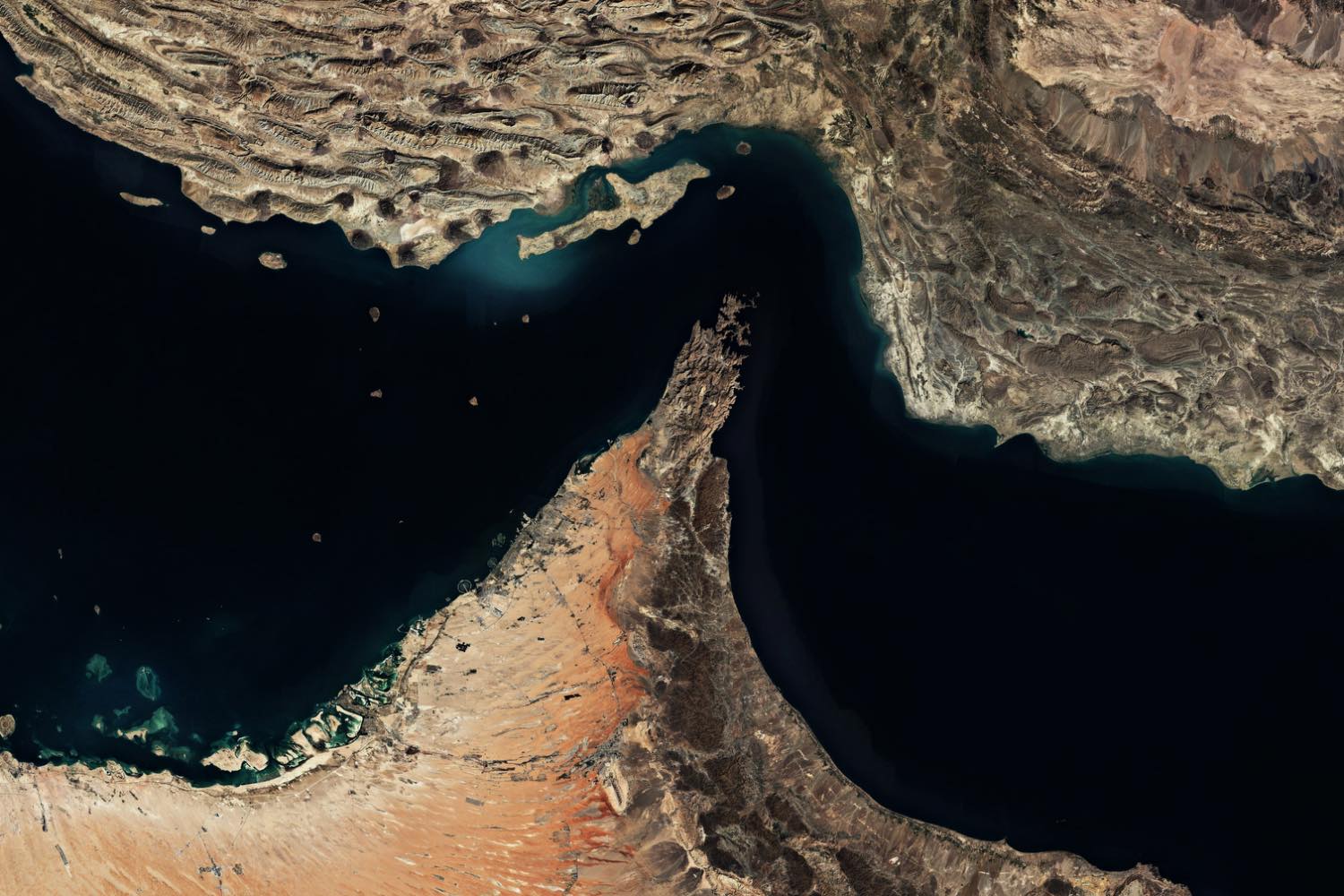
Gulf nations are investing in alternative energy pipelines and logistics routes to reduce their reliance on the Strait of Hormuz, a critical global trade corridor, within the next five years. This shift is driven by the need to withstand future disruptions and sustain economic growth, as highlighted by the recent Iran war.
HSBC Group CEO Georges Elhedery, speaking at the HSBC Future Forum in Dubai, emphasized the importance of infrastructure investment to help the region recover and resume growth. The Middle East, North Africa, and Turkey have a combined $872 billion in individual project packages within a broader $1.4 trillion pipeline of planned and unawarded infrastructure projects, according to an HSBC report.
Despite the ongoing conflict, a survey by HSBC found that the Gulf remains an attractive investment destination. However, the World Bank has forecasted a 1.3% contraction in the Middle East, North Africa, and Pakistan region in 2026, following 3.3% growth in 2025, with an expected but uneven rebound in 2027.
Elhedery is among the global financiers expected to attend Saudi Arabia’s flagship investment conference, which was postponed to 2027 following deadly strikes in Riyadh by Yemen’s Iran-backed Houthis.
Meanwhile, major oil companies are preparing for higher third-quarter profits due to the conflict driving energy price volatility and boosting refining and trading margins. Shell, BP, and TotalEnergies expect refining margins to increase three- to fourfold from a year earlier, with Shell forecasting a record $42 per barrel. TotalEnergies expects quarterly cash flow from refining and chemicals to double to around $4 billion. Exxon anticipates stronger refining margins to boost downstream profit by $4.5 billion compared with the previous year.
**Context:** This development is significant as the Strait of Hormuz has historically been a vital waterway for global oil and liquefied natural gas trade, carrying a fifth of the world's total. The shift towards alternative routes and infrastructure investment reflects a strategic move by Gulf nations to enhance their economic resilience and reduce vulnerability to geopolitical tensions.


