Oil Prices Surge Amid Middle East Tensions and US Inventory Drawdown
 ··2 min read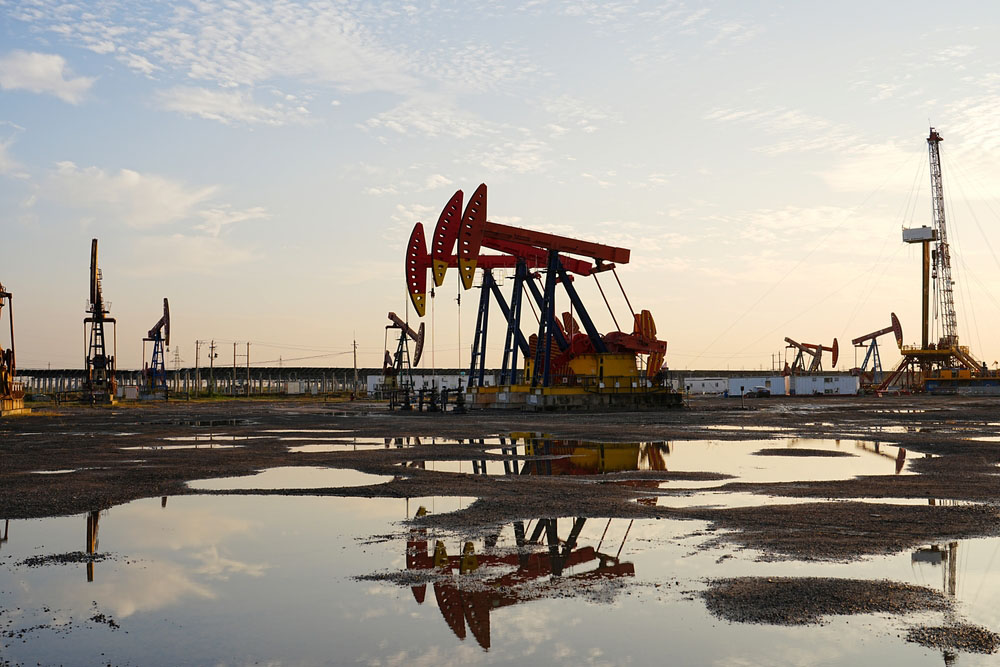
Oil prices surged by more than 3% on Friday, with both Brent and WTI crude futures experiencing significant gains. This increase comes amidst heightened tensions in the Middle East and a substantial reduction in US crude stockpiles.
By 9:32 pm AST on Friday, WTI crude futures had risen by 3.42% to $101.32 per barrel, while Brent crude increased by 3.34% to $109.46 per barrel. These gains follow a more than 3% increase in WTI on Thursday, driven partly by hurricane-related production shutdowns in the US.
Supply concerns have been exacerbated by a series of attacks around the Strait of Hormuz over the past 10 days. Iran has intensified its strikes in response to a US blockade of its ports and recently imposed sanctions.
In Europe, diesel refining margins fell by nearly 2% to $78.7 per barrel on Friday. This decline followed the International Energy Agency's decision to release over 20 million barrels of diesel to the market. Previously, these margins had peaked at $95 per barrel in September due to supply constraints caused by conflicts in Ukraine and Iran.
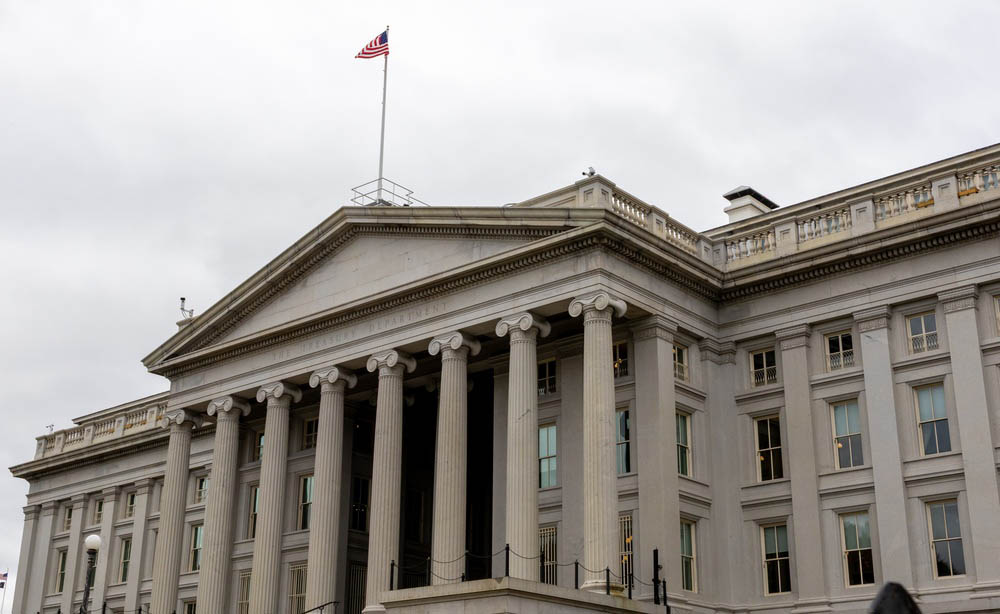
The US is considering lifting sanctions on certain shadow-fleet vessels that have transported oil and petroleum products from countries including Russia, Iran, and Venezuela. This move aims to alleviate record-high global freight rates, according to a US official. This announcement follows a temporary lifting of sanctions on Russian diesel fuel by President Donald Trump, which faced criticism from various international leaders and political figures.
Looking ahead, Goldman Sachs predicts that oil prices may moderate over the next year as Middle Eastern supply gradually recovers. However, the bank cautions that prices could remain high if the conflict involving the US, Israel, and Iran escalates further. The bank expects Brent crude to trade at around $90 per barrel.