
Handwritten Records Reveal Warming Trends in Congo
 ··2 min read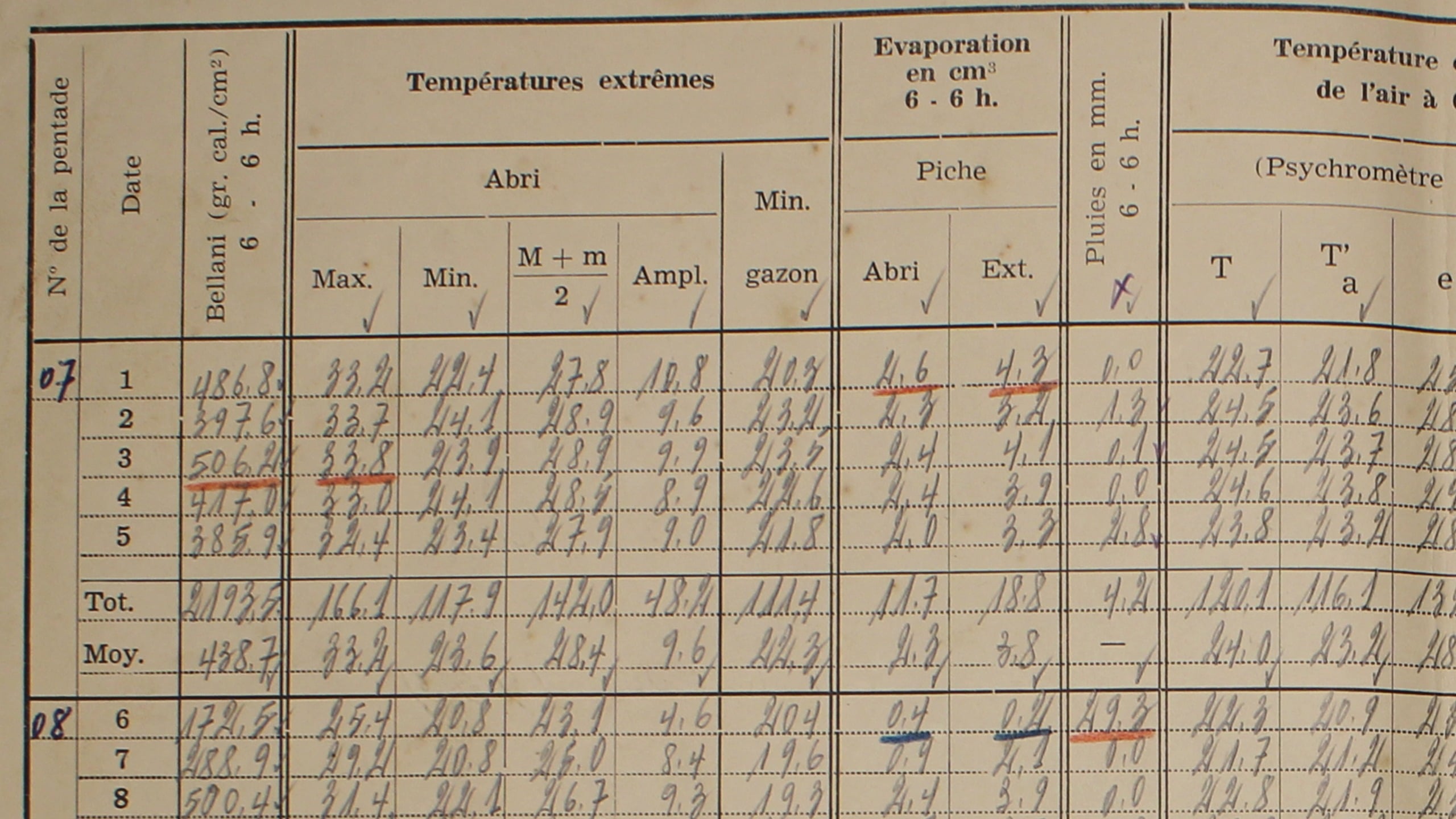
Thousands of handwritten records recovered from archives in the Congo have revealed significant warming trends over the past century. The records, which date back to the early 1900s, were discovered and analyzed by a team of researchers. The data provides a comprehensive view of temperature changes in the region, highlighting a consistent increase in temperatures.
The records were initially handwritten by colonial administrators and missionaries. They were stored in various archives across the Congo and have now been digitized for analysis. The data spans over a hundred years, offering a detailed look at the region's climate history. The analysis shows that temperatures in the Congo have risen by approximately 1.5 degrees Celsius since the early 20th century.
This discovery is particularly significant because it fills a gap in climate data for the region. The Congo, like many parts of Africa, has historically lacked comprehensive climate records, making it difficult to track long-term climate trends. The recovered records provide a valuable dataset for scientists studying climate change in Africa.
The findings underscore the importance of preserving historical records. The handwritten data, though meticulously kept, were at risk of being lost to degradation and neglect. The digitization effort has not only saved these records but also made them accessible for future research.
CONTEXT/Background: The discovery of these records is crucial for understanding the broader implications of climate change in Africa. The Congo Basin, one of the world's largest tropical rainforests, plays a vital role in global climate regulation. Rising temperatures in the region could have far-reaching effects on biodiversity, carbon sequestration, and water cycles, impacting not just the Congo but the entire planet.


