Dubai's Non-Oil Trade Surges 17% in First Half of 2026
 ··2 min read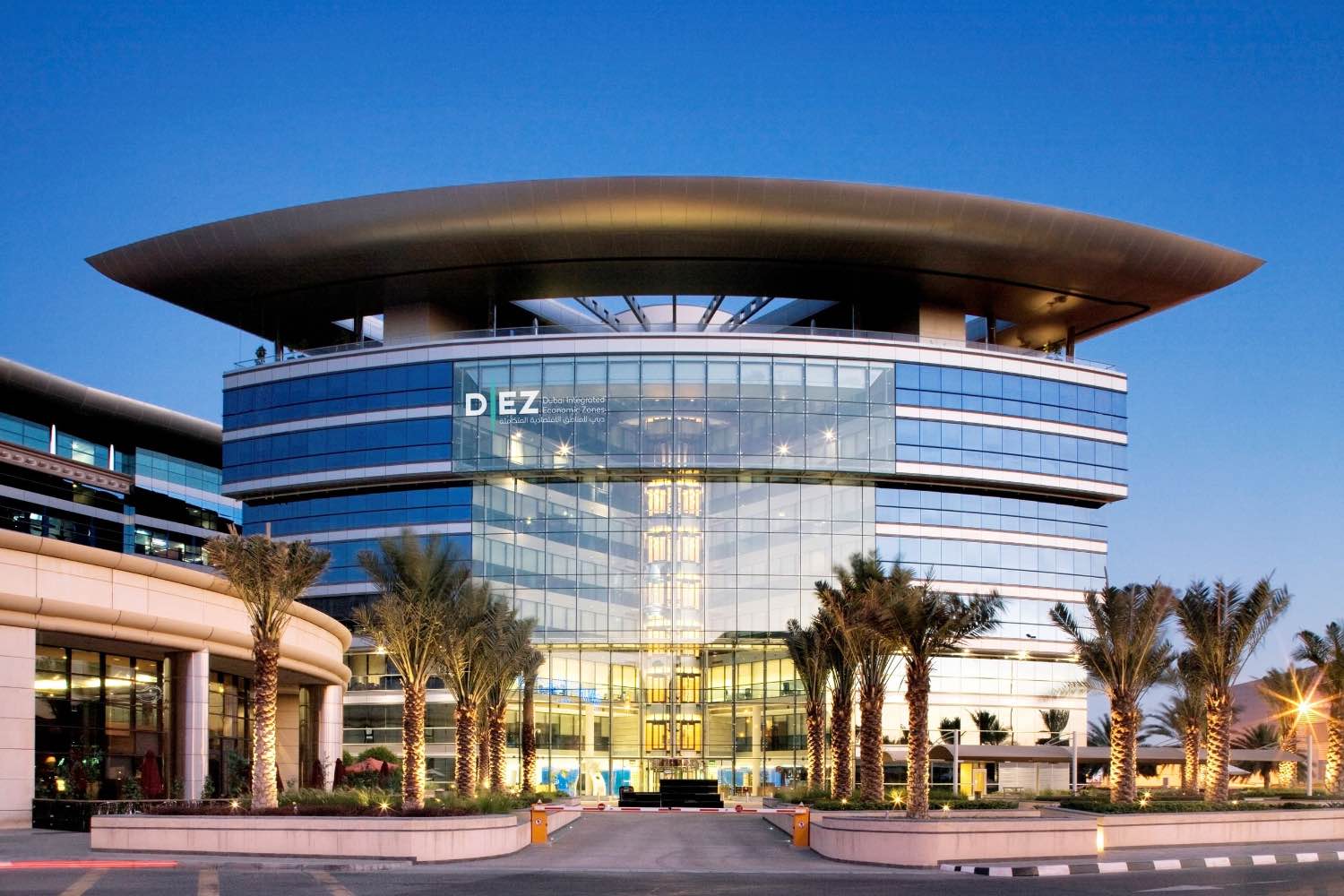
Dubai's non-oil trade through the Dubai Integrated Economic Zones Authority (DIEZ) rose by 17% year-on-year to $66.97 billion in the first half of 2026. This increase was driven by higher imports and re-exports, despite a decline in physical cargo volumes due to global shipping disruptions.
DIEZ's share of Dubai's total non-oil foreign trade increased to approximately 16% in the first half of 2026, up from 15.4% in the same period last year. Imports rose by 14% to $36.7 billion, while re-exports climbed by 22% to $29.6 billion. Direct exports totaled $653 million. Physical cargo volumes decreased to 270,000 metric tons from 298,000 metric tons in the first half of 2025.
Electrical machinery, appliances, and equipment accounted for nearly 66% of total trade, while precious stones, metals, and jewelry contributed 30%, recording 18% year-on-year growth. Together, these two categories represented approximately 96% of DIEZ's trade. China remained DIEZ's largest trading partner, accounting for 28.4% of total trade at $19 billion, followed by Saudi Arabia at $7.2 billion, India at $4.8 billion, and Vietnam at $3.6 billion.
The increase in trade value came despite disruptions to global shipping routes and supply chains, which contributed to lower physical cargo volumes during the period. DIEZ's performance marked its sixth consecutive year of record trade results.
Sheikh Hamdan bin Mohammed bin Rashid Al Maktoum, Crown Prince of Dubai and Chairman of the Executive Council, highlighted the importance of maintaining supply chain continuity and adapting to geopolitical and economic shifts for trade competitiveness.
Asian and Gulf markets accounted for a significant share of DIEZ's trade during the first half of the year, with China, Saudi Arabia, India, and Vietnam collectively representing a substantial portion of the trade.
**Context:** This surge in non-oil trade underscores Dubai's strategic role as a global trade hub, particularly in the context of increasing geopolitical and economic uncertainties. The city's ability to adapt and maintain supply chain continuity is crucial for its competitiveness in the international market.