U.S. Midterm Elections: Iran and Russia's Energy Dynamics
 ··2 min read
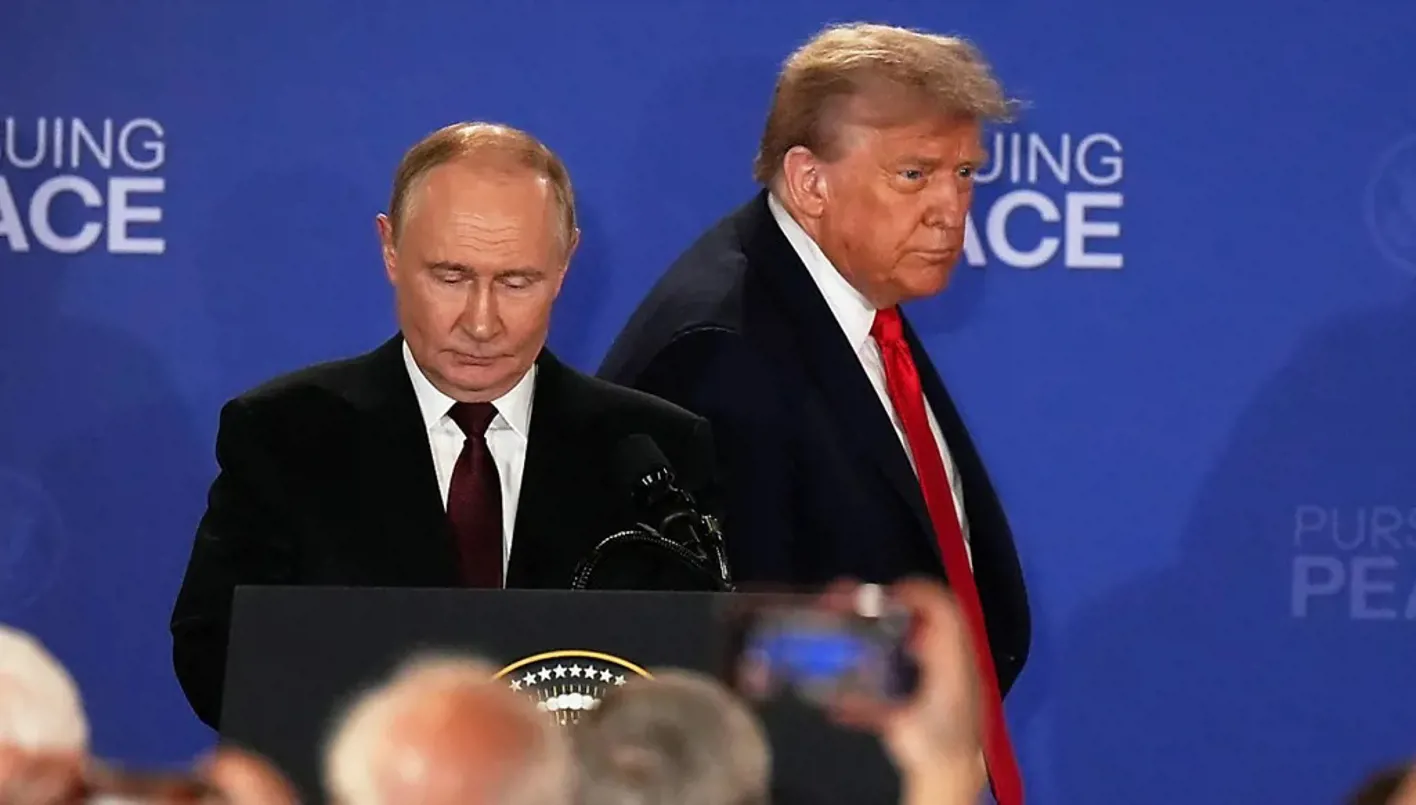
The U.S. midterm elections, scheduled for November 2022, are influencing the geopolitical dynamics between Iran, Russia, and the U.S., with energy security and strategic alliances at the forefront.
Russia is playing a pivotal role in the energy dynamics, as the U.S. seeks to secure its energy supplies amidst rising costs and disruptions in the Middle East. The U.S. has turned to Russia to ensure energy stability, as domestic reserves and transportation logistics have proven insufficient.
Russia's involvement extends beyond energy security. Moscow is also engaged in containing Iran's behavior, aligning with U.S. interests while leveraging its relationships with both Tehran and Washington to bolster its international standing.
Iran, meanwhile, is navigating a complex geopolitical landscape. It faces Western sanctions and relies on Russia's veto power in the U.N. Security Council for support. Iran has used its influence over the Houthis to disrupt maritime traffic in the Bab al-Mandeb Strait and threaten Gulf energy infrastructure, asserting its leverage in the region.
The U.S. aims to modify Iran's behavior, while Iran seeks to ease pressures and maintain its deterrent capabilities. Russia, acting as a mediator, benefits from the ongoing tensions, which keep the U.S. as a strategic concern for Iran and prevent the rise of a nuclear power on its southern border.
As the midterm elections approach, Russia has re-engaged in Iranian affairs. Deputy Foreign Minister Sergei Lavrov announced Moscow's readiness to assist in the transfer of Iran's enriched uranium stockpile, signaling a renewed diplomatic effort.
CONTEXT: This dynamic underscores the interconnected nature of global politics, where energy security, geopolitical alliances, and electoral outcomes in one country can significantly impact international relations and strategic calculations in distant regions.