Apple Reveals Battery Capacity of iPhone Duo Before Sales
 ··2 min read
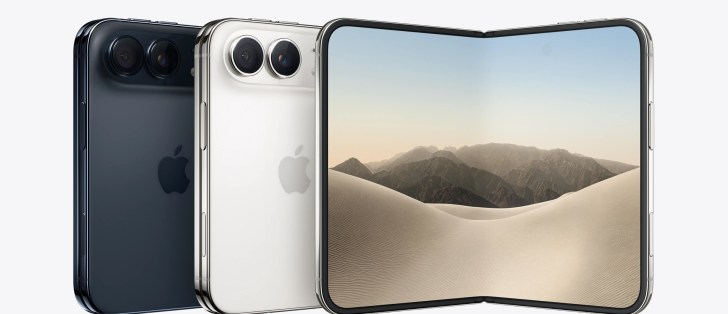
Apple has officially revealed the battery capacity of its upcoming foldable iPhone Duo, ahead of its sales launch this week. The information was disclosed through the phone's energy label, published in the European Union. The iPhone Duo features a lithium-ion battery with a capacity of 4,883 milliampere-hours, split across two cells within the device. According to the energy label, the iPhone Duo offers up to 51 hours and 30 minutes of usage per charge, with the battery designed to maintain performance for at least 1,000 charge cycles under default settings. The battery capacity is expected to be consistent across all markets, as the iPhone Duo relies solely on the eSIM technology, with no provision for traditional SIM cards.
The disclosure comes after Apple opened pre-orders for the iPhone Duo last week. The foldable phone is set to begin shipping this week, marking a significant milestone for Apple's entry into the foldable smartphone market. The iPhone Duo's battery specifications have been a subject of interest, as it is Apple's first foray into foldable devices, a market segment dominated by competitors like Samsung and Huawei.
The iPhone Duo's battery is designed to support its large, foldable display, which is a key feature of the device. The phone's battery life is expected to be a critical factor in its success, as users increasingly demand longer-lasting devices. The disclosure of the battery capacity provides potential buyers with important information as they consider their purchase decisions.
CONTEXT: This development is significant as it marks Apple's entry into the foldable smartphone market, a segment that has seen rapid growth in recent years. The battery life and capacity of the iPhone Duo will be crucial factors in determining its competitiveness against established players in this market, such as Samsung and Huawei. Additionally, the use of eSIM technology in the iPhone Duo aligns with the global trend towards digital SIM cards, which offer greater flexibility and convenience for users, particularly those who travel internationally.