US-Backed Hepatitis B Vaccine Trial Approved in Guinea-Bissau
 ··1 min read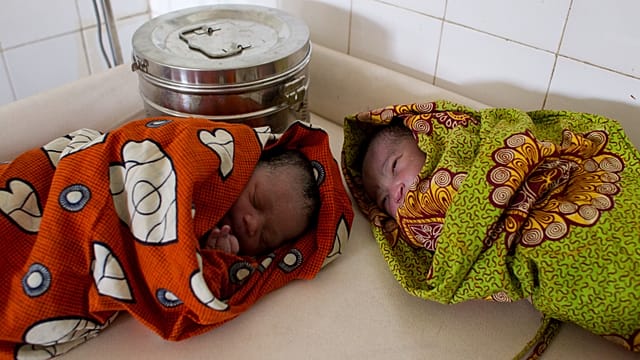
Last week, Guinea-Bissau approved a controversial US-backed hepatitis B vaccine trial on newborns. The decision was made despite ongoing ethical concerns. The trial will proceed in the West African country, which has a high prevalence of hepatitis B.
The trial, which was initially paused due to ethical concerns, will now move forward. The US National Institutes of Health (NIH) is backing the trial, which aims to evaluate the safety and efficacy of a new hepatitis B vaccine. The study will involve administering the vaccine to newborns within 24 hours of birth.
Critics have raised concerns about the ethics of conducting such trials in low-resource settings. They argue that the trial could potentially expose vulnerable populations to unnecessary risks. Additionally, there are concerns about the informed consent process and the potential for exploitation of participants.
Supporters of the trial argue that it is crucial for advancing medical research and improving public health in regions with high disease burdens. They point out that hepatitis B is a significant health issue in Guinea-Bissau, with high rates of infection and related complications.
The trial's approval comes as part of a broader effort to combat hepatitis B in Africa. The World Health Organization (WHO) has set a goal to eliminate hepatitis B as a public health threat by 2030. This trial is seen as a step towards achieving that goal in Guinea-Bissau.
Context/Background: Guinea-Bissau's approval of the trial underscores the complex ethical considerations in global health research. The trial highlights the need for robust ethical frameworks and transparent communication to ensure the protection of vulnerable populations while advancing medical knowledge.