
Mole Rats Show Stress When Magnetic Field Disappears
 ··2 min read
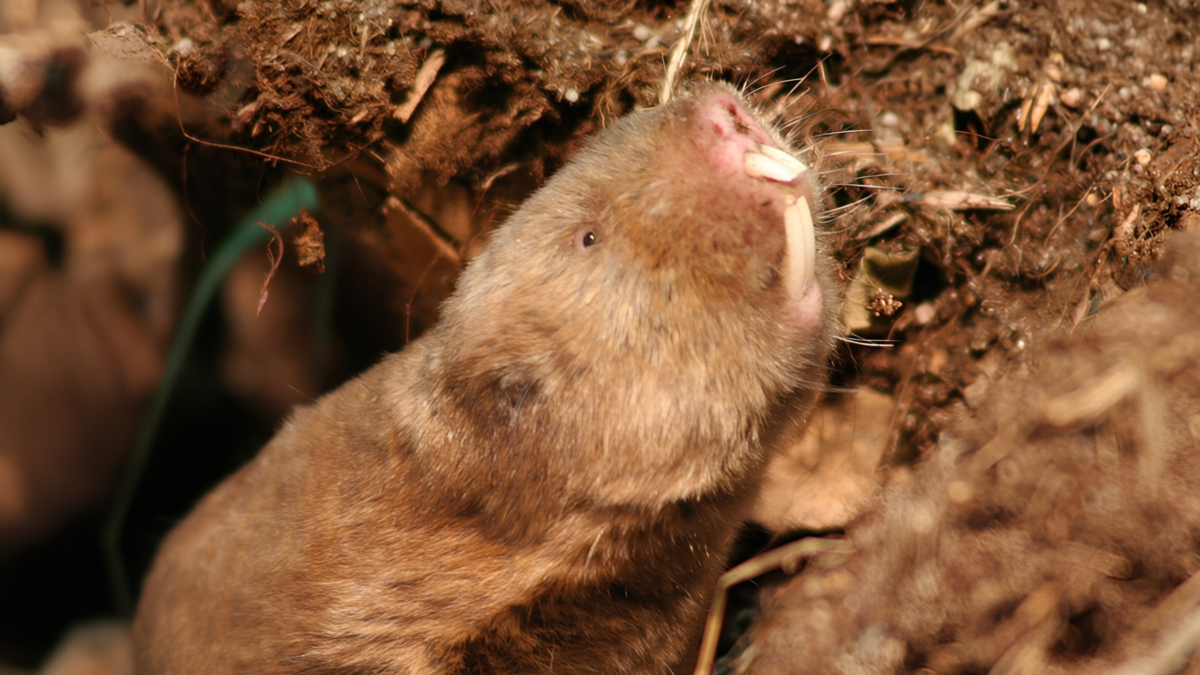
Researchers have found that mole rats display signs of stress when exposed to environments lacking Earth's magnetic field. The study, conducted in controlled settings, observed the behavior of mole rats when the magnetic field was artificially neutralized. The findings suggest that these subterranean creatures rely on Earth's magnetic field for orientation and navigation, and its absence causes physiological and behavioral changes indicative of stress.
The experiment involved placing mole rats in a chamber where the magnetic field was temporarily removed. Scientists monitored the animals' movements, heart rates, and stress hormone levels. The results showed increased heart rates and elevated stress hormone levels in the mole rats when the magnetic field was absent, compared to when it was present.
Mole rats, known for their underground lifestyle, use Earth's magnetic field as a navigational tool. This study highlights the importance of the magnetic field in their natural behavior and survival strategies. The findings also suggest that disruptions in the magnetic field could have broader implications for other species that rely on magnetic cues for navigation.
While the study focused on mole rats, the implications extend to other animals that use the Earth's magnetic field for navigation, including birds and sea turtles. Understanding how these disruptions affect behavior and physiology can provide insights into the broader ecological impacts of magnetic field changes.
This research contributes to the growing body of knowledge on how animals navigate and adapt to their environments. It underscores the need for further studies to understand the long-term effects of magnetic field disruptions on various species and ecosystems.
CONTEXT: The study highlights the critical role of Earth's magnetic field in the navigation and stress responses of mole rats, suggesting potential broader implications for other species that rely on magnetic cues.


