Scientists Find Potential Cause of Age-Related Prostate Enlargement in Men
 ··1 min read
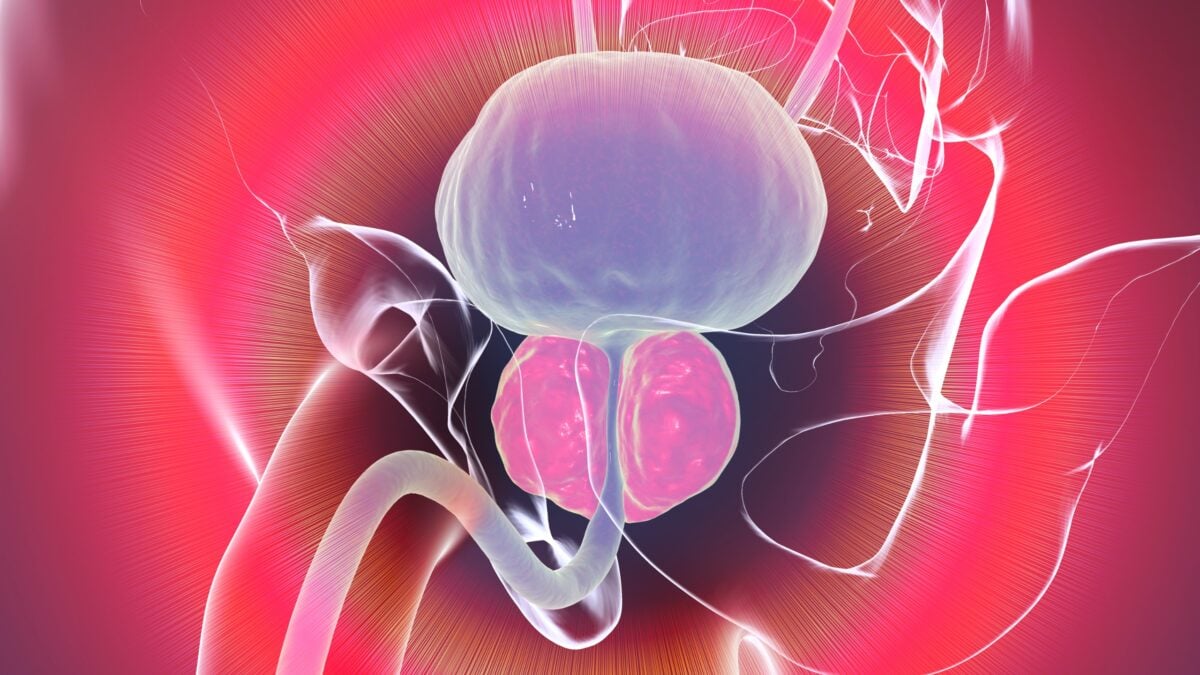
Scientists have identified a potential cause for the enlargement of the prostate gland in men as they age.
Researchers have found that a specific type of cell in the prostate, known as basal cells, may be responsible for this condition. These cells, which are typically dormant, can become active and proliferate, leading to an increase in prostate size.
The study, published in a scientific journal, suggests that the activation of these basal cells is influenced by changes in the hormonal balance that occur with aging. As men age, the levels of certain hormones, such as testosterone and dihydrotestosterone, can fluctuate, potentially triggering the proliferation of basal cells.
This research provides new insights into the mechanisms behind age-related prostate enlargement, a condition that affects a significant number of men worldwide. The findings could pave the way for the development of more targeted and effective treatments for this condition.
The study also highlights the importance of further research into the role of hormonal changes in prostate health. Understanding how these changes affect the prostate gland could lead to better preventive measures and treatments for prostate-related conditions.