Xpeng Reverses Decision on P7 Launch in Europe
 ··2 min read
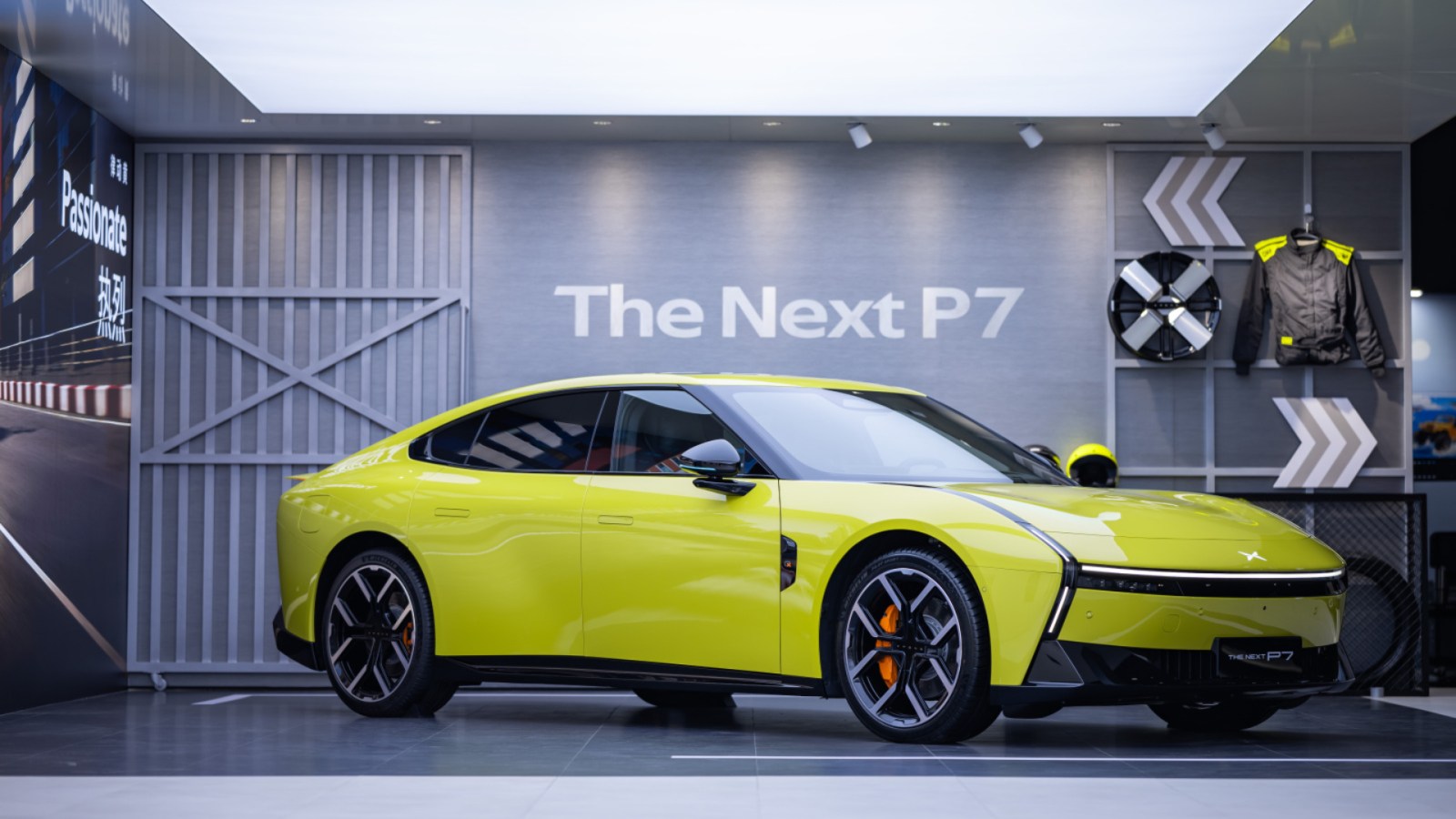
Chinese electric vehicle manufacturer Xpeng has reversed its decision to launch the P7 model in Europe. The company had initially planned to introduce the P7, one of its most popular models, to the European market. This reversal comes amidst a broader context of shifting strategies in the global automotive industry, particularly in the electric vehicle (EV) sector.
Xpeng's decision to halt the P7's European launch was announced during a recent investor conference. The company cited several factors influencing this change, including market conditions and strategic priorities. The P7, known for its advanced features and competitive pricing, had been seen as a potential game-changer in the European EV market. However, Xpeng's shift in strategy suggests a reevaluation of its global expansion plans.
This development coincides with broader geopolitical tensions and regulatory challenges. The European Union has been implementing measures to counter what it perceives as unfair competition from Chinese EV manufacturers. These measures include potential tariffs and stricter regulations on imports, which could significantly impact the profitability of Chinese EV brands in Europe. Xpeng's decision to pull back from the European market may be a preemptive move to avoid these regulatory hurdles.
Xpeng's reversal also comes at a time when other Chinese EV manufacturers are facing similar challenges. The global automotive industry is undergoing a significant transformation, with electric vehicles becoming increasingly popular. However, the path to market dominance is fraught with obstacles, including regulatory barriers, competition from established players, and the need for substantial investment in infrastructure and technology.
Despite these challenges, Xpeng remains optimistic about its future prospects. The company has been investing heavily in research and development, aiming to stay at the forefront of EV technology. Xpeng's focus on innovation and sustainability aligns with the global trend towards greener transportation solutions. The company's decision to prioritize other markets may be a strategic move to consolidate its position in regions where it faces fewer regulatory hurdles and greater market potential.