First Cancer Vaccine Shows Significant Results in Melanoma Trial
 ··2 min read
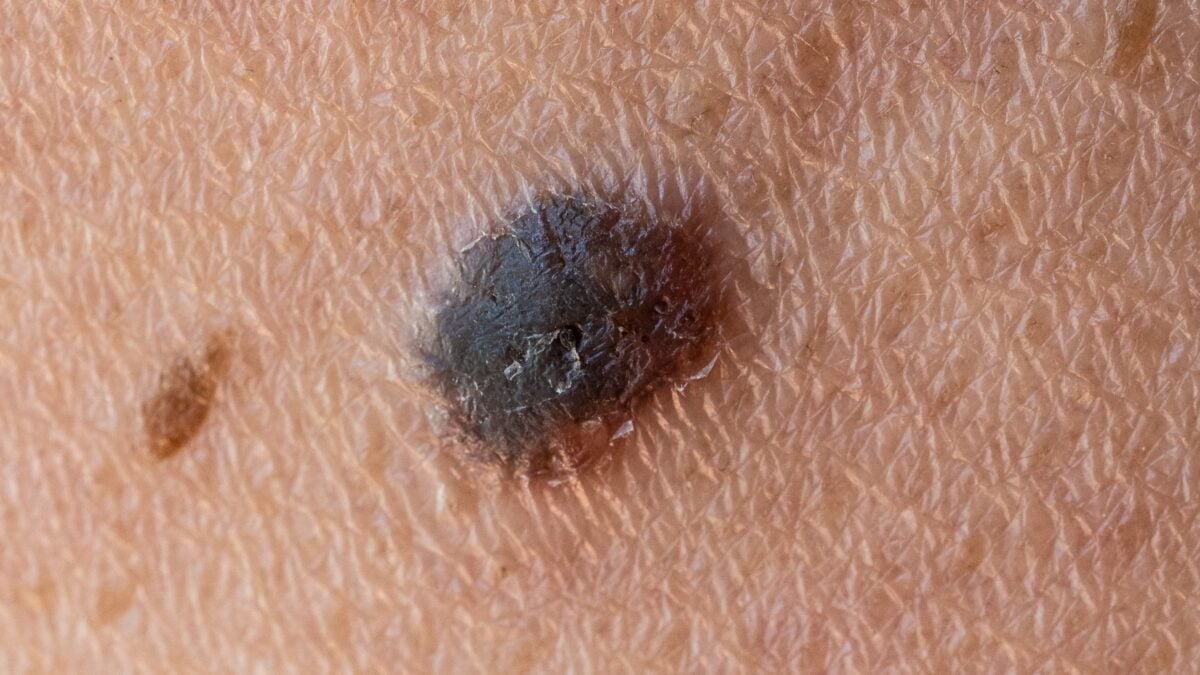
A landmark clinical trial has demonstrated that a cancer vaccine can reduce the risk of melanoma recurrence or death by 42%.
The trial, conducted by a team of researchers, marks the first time a vaccine has shown such significant results in preventing cancer recurrence. The findings were published in a medical journal, highlighting the potential of this approach in cancer treatment.
Melanoma, a type of skin cancer, is known for its aggressive nature and high recurrence rates. The vaccine targets specific antigens present in melanoma cells, aiming to boost the body's immune response against the cancer. Participants in the trial received the vaccine after undergoing standard treatment for melanoma, which included surgery and adjuvant therapy.
The results indicate that the vaccine not only reduced the risk of cancer recurrence but also improved overall survival rates. The study involved a large cohort of patients, providing robust data on the vaccine's efficacy and safety. Researchers noted that the vaccine was well-tolerated with minimal side effects, making it a promising addition to existing treatment options.
Experts in the field have hailed the findings as a significant breakthrough, emphasizing that this level of success has not been achieved before in cancer drug development. The trial's outcomes suggest that vaccines could play a crucial role in the future of cancer treatment, particularly for diseases with high recurrence rates.
While the results are promising, further research is needed to validate these findings and explore the vaccine's potential in other types of cancer. Ongoing studies are planned to assess the vaccine's long-term effects and its applicability to a broader range of patients. The medical community is optimistic about the potential of this new approach, which could revolutionize how cancer is treated and managed.