Libyan Military Unification Talks End in Stalemate
 ··2 min read
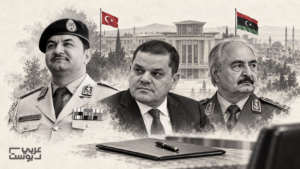
Negotiations in Ankara between Libyan factions over military unification and political restructuring ended without agreement. The talks, held between Khalifa Haftar's forces and the Government of National Unity, failed to reach a consensus on the proposed military leadership's powers and the future of the Presidential Council.
Sources revealed that Khalifa Haftar, commander of the Libyan National Army, warned his son, General Commander of the Eastern Forces, against making concessions that would affect the military leadership's authority. The negotiations were further complicated by the absence of the Prime Minister of the Government of National Unity, who was not present at the meeting.
The talks focused on the structure of the unified military institution, the chain of command, and the role of the military leadership in eastern Libya. The delegation led by the son of Khalifa Haftar sought a comprehensive agreement covering both military and political aspects, while the delegation led by the Government of National Unity insisted on prioritizing a military agreement first, with political arrangements to follow.
Disagreements also centered around the proposed military leadership council's powers, the supreme commander's role, and the relationship between the Ministry of Defense, the Joint Chiefs of Staff, and the new military leadership. The diplomatic source indicated that the Government of National Unity was not prepared to sign documents related to the Presidential Council within the military agreement, as these issues require the involvement of all authorized parties.
Despite Turkish Foreign Minister Hakan Fidan's optimism about unifying the military institution, the negotiations did not result in a final agreement. The talks were marked by ongoing disputes over the proposed military leadership's powers, its relationship with the Ministry of Defense and the Presidential Council, and the chain of command.
Khalid and Belqasim Haftar, who are part of the Libyan National Army, reportedly objected to some of the proposed arrangements. The negotiations also touched on the future influence of the military leadership in eastern Libya and the potential political changes that could result from the proposed agreements.