
Experimental Antibody Shows Long-Term Effectiveness Against HIV-Like Virus in Monkeys
 ··1 min read
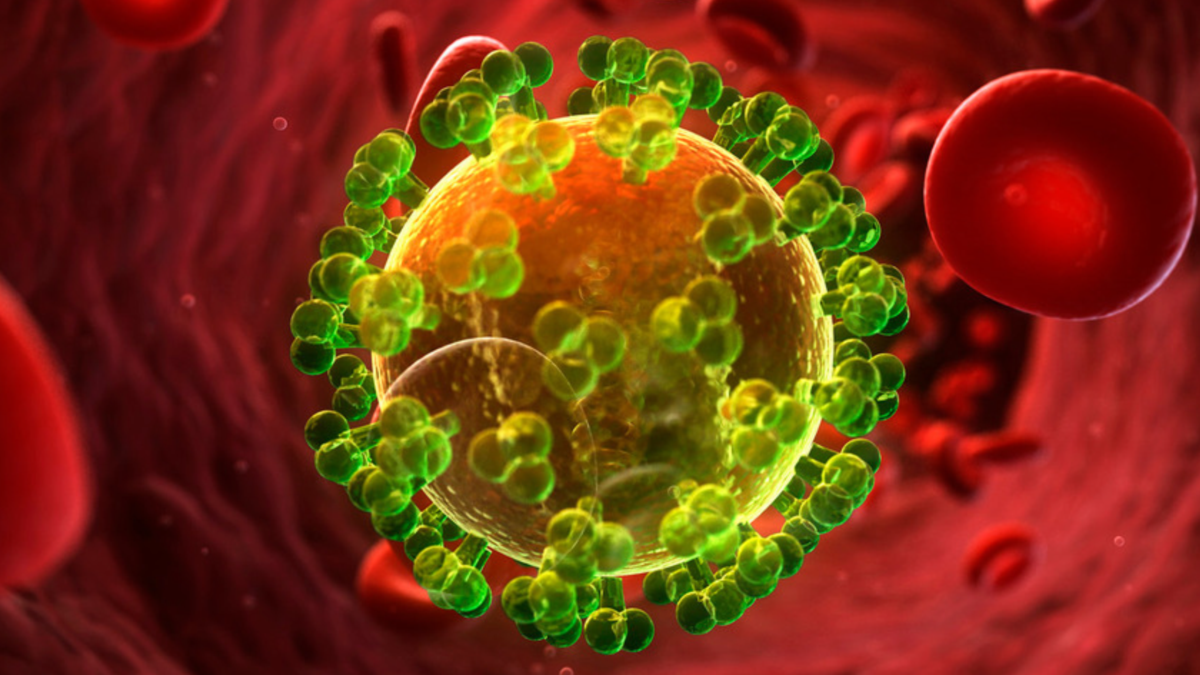
Researchers have reported that a single dose of an experimental antibody has kept an HIV-like virus in remission for four years in monkeys. The findings, published in the journal Nature, suggest a potential new approach to HIV treatment and cure.
The study, conducted at the University of North Carolina, involved administering a single dose of the antibody to a group of monkeys infected with simian immunodeficiency virus (SIV), a virus similar to HIV. The antibody, known as eCD4-Ig, was designed to target and neutralize the virus.
The results showed that the antibody was effective in suppressing the virus for an extended period. The monkeys did not show any signs of the virus re-emerging, and their immune systems remained healthy throughout the study period.
Researchers noted that the antibody worked by binding to the virus and preventing it from infecting new cells. This mechanism of action is different from current HIV treatments, which typically involve a combination of drugs that suppress the virus but do not eliminate it from the body.
The findings are significant because they demonstrate the potential for a single dose of an antibody to provide long-term protection against HIV. This could lead to the development of new treatments that are more effective and easier to administer than current therapies.
The study also highlights the importance of continued research into new approaches to HIV treatment and cure. Despite significant advances in HIV treatment, there is still no cure for the virus, and new infections continue to occur worldwide.


