
Deadly Train Collision in Spain Leaves 30 Dead
 ··2 min read
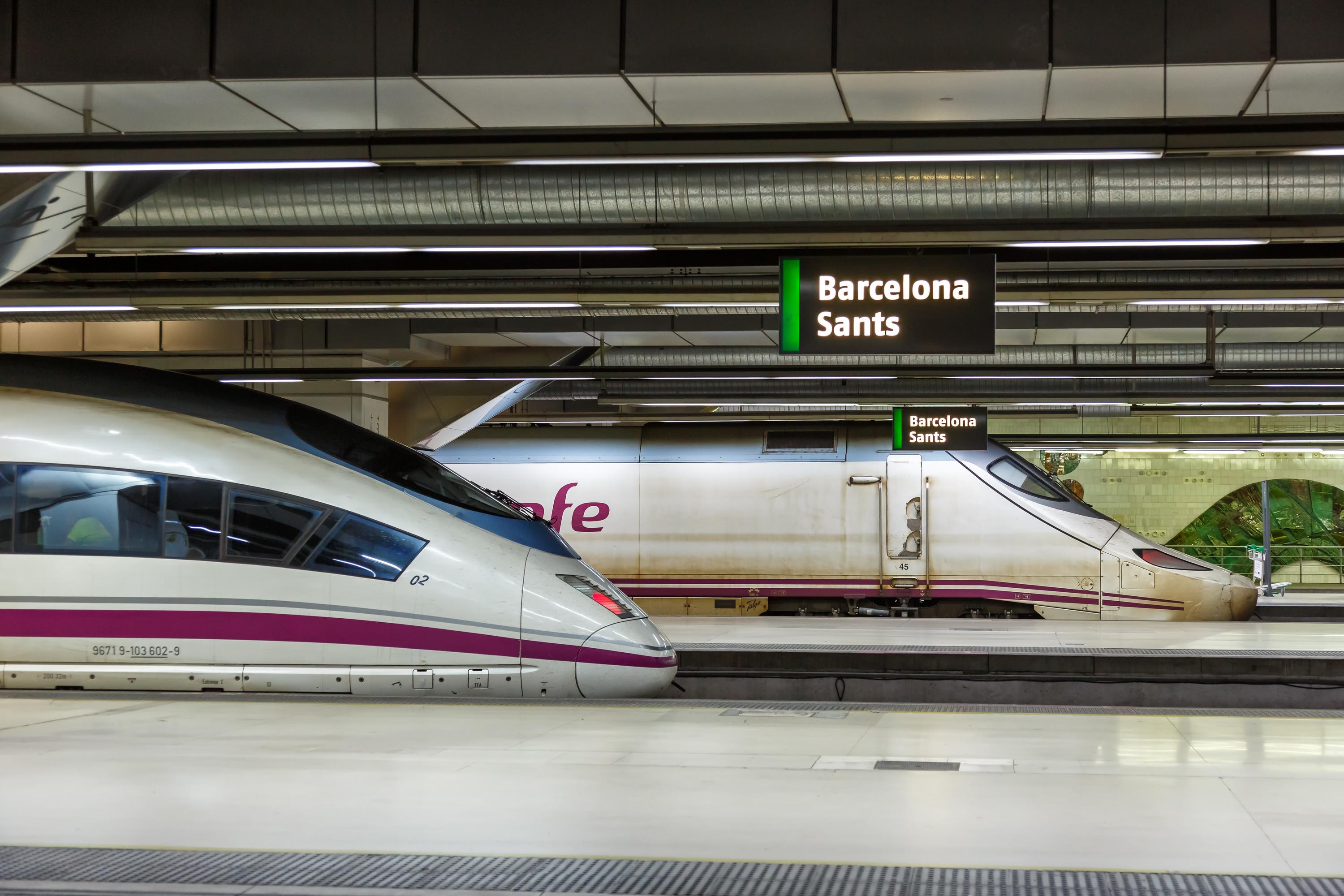
At least 30 people died in a collision between two high-speed trains in Spain on Wednesday morning. The incident occurred in the country's central region, sparking renewed scrutiny of the Spanish railway system.
Emergency services were immediately dispatched to the scene, with rescue operations continuing throughout the day. The cause of the collision is under investigation, with authorities examining the possibility of a malfunction or human error.
Spanish Prime Minister Pedro Sánchez expressed condolences to the families of the victims and announced a national day of mourning. The government has also launched an inquiry into the incident, with a focus on understanding the underlying causes and preventing future accidents.
This is not the first major incident involving high-speed trains in Spain. In 2013, a high-speed train derailed in Santiago de Compostela, killing 79 people. That accident led to significant changes in safety protocols and infrastructure improvements.
Spain's high-speed rail network, known as AVE, is one of the most extensive in the world, connecting major cities and facilitating both domestic and international travel. The country's rail infrastructure has been a point of pride, but recent incidents have raised questions about its safety and reliability.
Passengers and industry experts have called for a thorough review of safety measures and protocols following the collision. The Spanish railway operator, Renfe, has stated that it will cooperate fully with the investigation and implement any necessary changes to enhance safety.
In the aftermath of the tragedy, support has poured in from around the world. Messages of condolence have been sent by various governments and international organizations, highlighting the global impact of such incidents.
The collision has also sparked discussions about the future of high-speed rail travel. While the benefits of speed and efficiency are clear, the risks and challenges associated with high-speed rail operations are becoming increasingly apparent.