New Books Explore Textile Art and Its Cultural Significance
 ··2 min read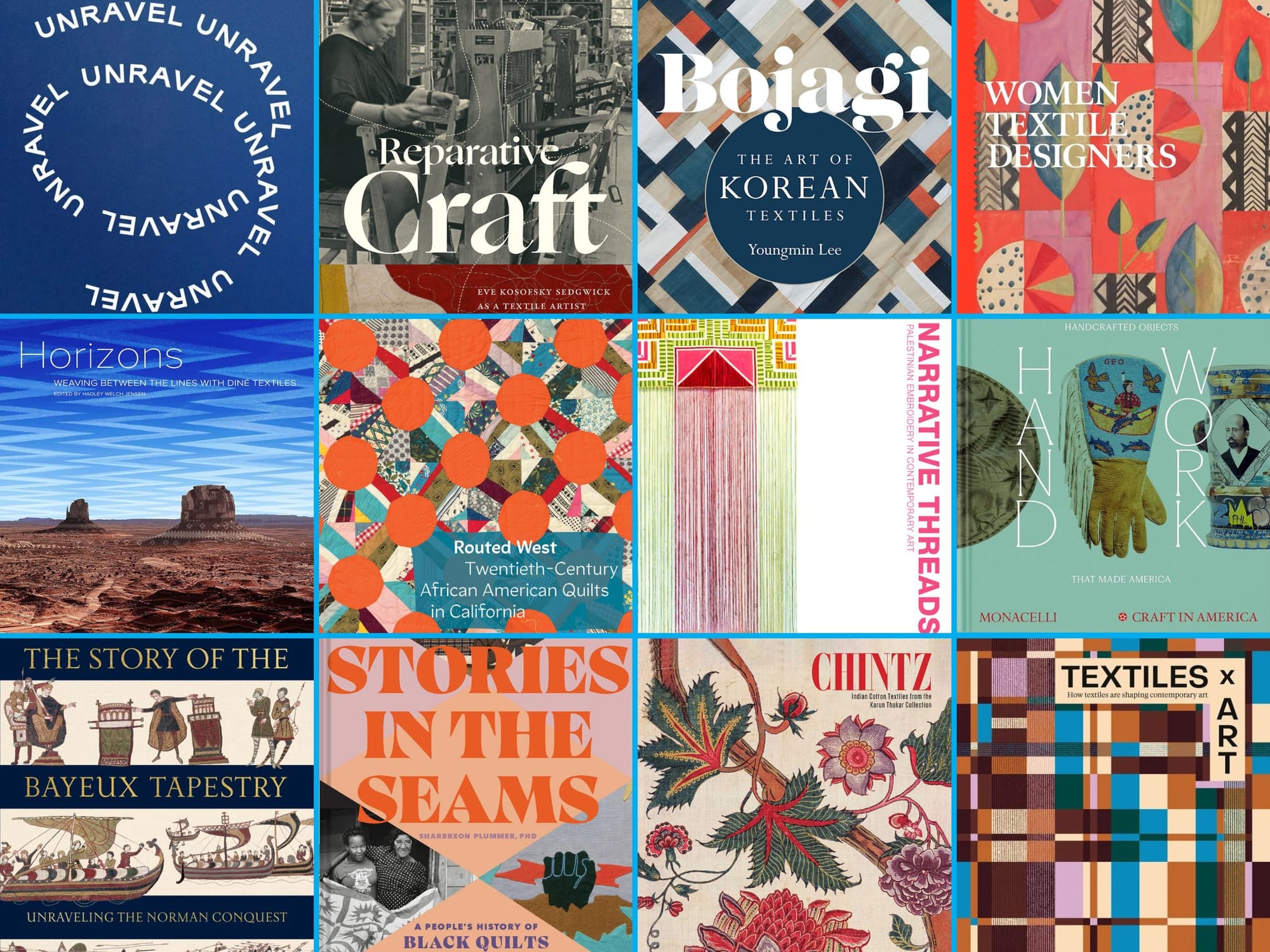
Several new books published in 2026 explore the rich histories and cultural significance of textile art, offering fresh perspectives on traditional craft techniques and their political dimensions. These works challenge conventional views of craft and gender, providing new insights into the meditative and political aspects of textile traditions.
One of the notable publications is "Stories in the Seams: A People's History of Black Quilts and Their Makers" by Sharbreon Plummer. This book, organized into sections titled "memory," "method," and "medicine," presents a collection of essays, homages, and interviews. It argues that Black American quilts are deeply connected to the personal experiences and inner lives of their creators, offering a unique perspective on the cultural and historical significance of these artworks.
Another significant contribution is "Reparative Craft: Eve Kosofsky Sedgwick as a Textile Artist" by Jason Edwards. This book examines the textile art created by Eve Kosofsky Sedgwick, a prominent figure in queer and literary theory, during the mid-1990s and 2000s. The work explores how Sedgwick's artistic practices, particularly her dreamy textile collages and sculptures, reflect her theoretical ideas and her engagement with Buddhism, illness, repair, and death.
These books, along with others focusing on Korean bojagi, Palestinian tatreez, and contemporary Diné weaving, collectively piece together a new history of textile art. They move beyond the traditional dichotomy of "craft versus art" and challenge outdated notions of "women's work." By doing so, these publications offer a more nuanced understanding of the meditative and political dimensions of textile traditions, highlighting the intricate and often overlooked stories woven into these art forms.
**Context:** The exploration of textile art through these new publications is significant as it sheds light on the often-underappreciated cultural and historical dimensions of textile traditions. These works challenge traditional views of craft and gender, providing a more inclusive and nuanced understanding of the art form. By delving into the personal and political aspects of textile art, these books contribute to a broader appreciation of the craft and its role in society.