Tunisia Implements Emergency Measures to Combat Olive Tree Disease
 ··3 min read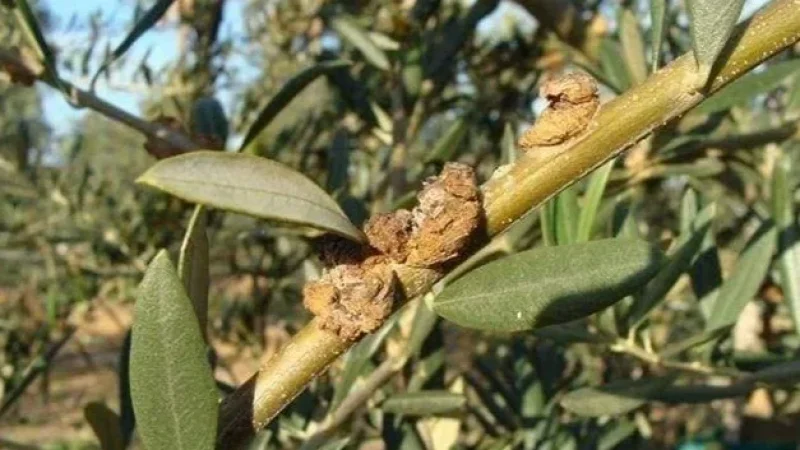
On Monday, the Regional Commission for Agricultural Development in Mahdia, Tunisia, announced emergency measures to combat an outbreak of olive tree disease. The disease, known as olive knot, has been detected in two areas: Al Othma and Henchir Chatt, within the Meloulache delegation.
Regional measures include the removal and destruction of infected trees, as well as the implementation of strict quarantine protocols. The goal is to prevent the disease from spreading to other agricultural areas. The commission has also initiated public awareness campaigns to educate local farmers about the disease and its symptoms.
Olive knot disease is caused by the bacterium Pseudomonas savastanoi. It affects the tree's vascular system, leading to the formation of galls or knots on the branches, which can eventually kill the tree. The disease is particularly concerning because it can spread rapidly and is difficult to eradicate.
The outbreak has raised concerns among local farmers, who rely heavily on olive cultivation for their livelihoods. The disease poses a significant threat to the region's olive industry, which is a major contributor to the local economy.
In response to the outbreak, the Regional Union of Agriculture and Marine Fisheries in Mahdia has called for additional support from the national government. The union has requested increased funding for research and development of new disease-resistant olive varieties, as well as financial assistance for affected farmers.
The Tunisian government has acknowledged the severity of the situation and has pledged to provide the necessary resources to combat the outbreak. The government has also emphasized the importance of international cooperation in addressing the disease, which is present in other olive-producing regions around the world.
Local authorities have been working closely with farmers to monitor the situation and implement the necessary measures. The commission has set up checkpoints to inspect vehicles and equipment entering and leaving the affected areas, ensuring that the disease does not spread further.
The outbreak has also highlighted the need for improved agricultural practices and infrastructure in the region. Farmers have been encouraged to adopt better farming techniques, such as pruning and sanitation, to reduce the risk of disease. The commission has also been working on improving irrigation systems and soil management to enhance the overall health of the olive trees.
Despite the challenges, there is optimism among local farmers and authorities that the outbreak can be contained. The swift implementation of emergency measures and the collaborative efforts of the government, farmers, and international partners are crucial in mitigating the impact of the disease.
CONTEXT: Olive cultivation is a vital part of Tunisia's agricultural sector, contributing significantly to the country's economy and employment. The outbreak of olive knot disease in Mahdia underscores the importance of proactive measures to protect agricultural industries from pests and diseases. The situation in Mahdia serves as a reminder of the global threat posed by olive knot disease and the need for coordinated efforts to address it.