Lebanon: Seven Years of Economic Collapse and Social Fragmentation
 ··دقائق قراءة 2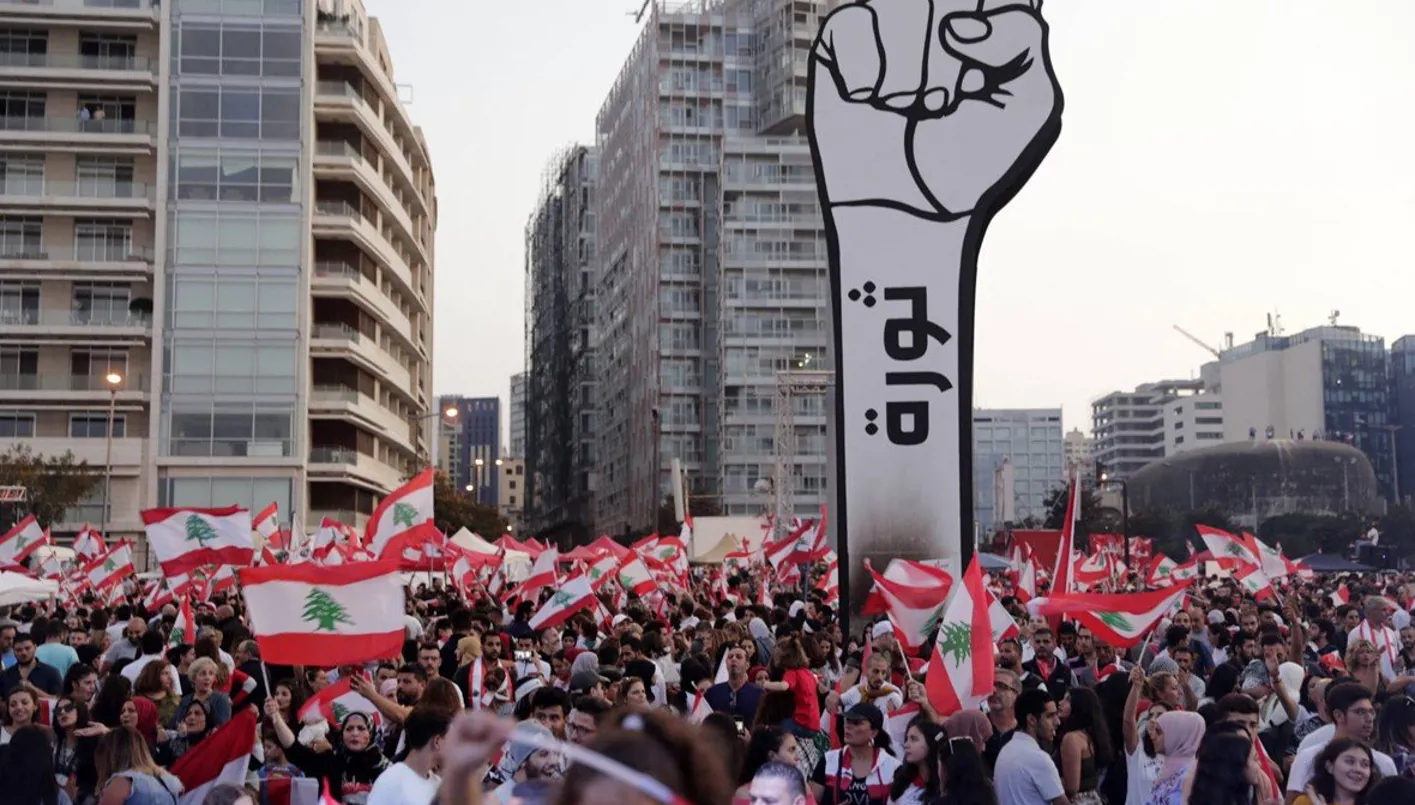
Lebanon has been grappling with economic collapse for seven years, with no clear resolution in sight. The country's trajectory since 2019 has shifted from the possibility of revolution to the risk of state disintegration. The economic downturn has led to a fragmented society, with varying levels of poverty and fear across different regions.
The economic crisis began in October 2019, when Lebanese citizens took to the streets demanding a functional state. The initial protests were unified, with citizens from all backgrounds united against the banking sector, which had frozen deposits. However, as the crisis deepened, the population divided. Those who received their income in dollars were relatively protected, while those dependent on the national currency faced severe economic hardship. The World Bank reported in April 2025 that the top 20% of income earners received more than half of their income in dollars, while the bottom 20% received less than 6%.
This economic divide has fragmented the middle class, which was the driving force behind the 2019 protests. Some segments of the middle class, protected by dollar income, have distanced themselves from the struggle, while others have fallen into poverty, losing the ability to protest. The geographical distribution of poverty has also varied significantly. According to a World Bank survey in May 2024, 33% of Lebanese live in poverty, with 44% of the total population affected. Poverty rates have risen dramatically in some regions, such as Akkar, where it increased from 22% to 62% over a decade, while in Beirut, it decreased from 4% to 2%.
When considering multidimensional poverty, which includes deprivation of electricity, healthcare, and education, the rate reaches 73% of the Lebanese population, with half of children under 15 living in poverty. The distribution of this poverty is uneven, making it difficult to address as a single issue. Fear, too, has become fragmented. A survey by the Lebanese Center for Studies in early 2026 found that 82.7% of residents in Baalbek-Hermel fear external aggression, compared to 15% in Akkar. In Keserwan-Jbeil, the fear of internal conflict is highest, at 54.4%.
In conclusion, the economic collapse in Lebanon has led to a fragmented society with diverse economic and social challenges. The initial unity of the 2019 protests has given way to a complex landscape of varying levels of poverty and fear, making it difficult to address the crisis as a unified issue. This fragmentation poses significant challenges to the country's stability and future prospects.