Rising Sabotage Threats to Undersea Internet Cables
 ··دقائق قراءة 2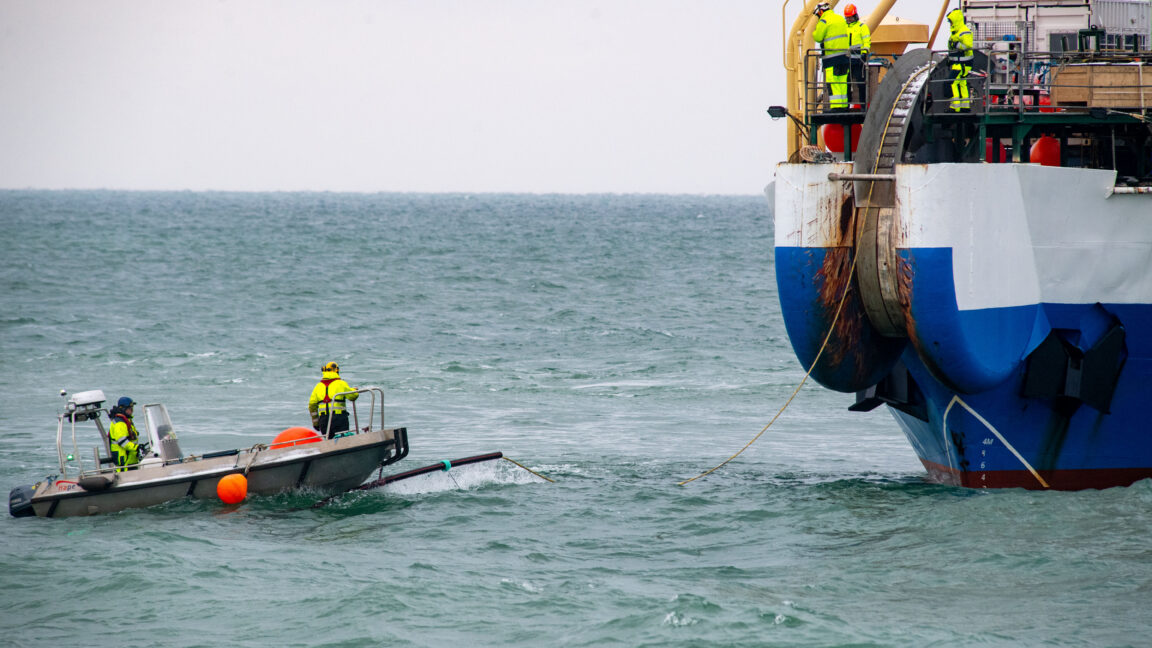
Undersea fiber-optic cables, vital for the majority of the world's internet traffic, are increasingly at risk from sabotage, according to a new analysis. These cables, which crisscross the ocean floors, are now under threat from rising geopolitical tensions and conflicts, which have led to a surge in suspicious incidents.
Elisabeth Braw, a senior fellow at the Atlantic Council, highlights in her new book, Undersea War, the growing risks to these crucial links connecting countries and continents. Braw's work focuses on the modern rise in incidents where ships have cut or damaged undersea cables and pipelines, from the Baltic Sea to the Pacific Ocean.
While the majority of undersea cable damage is attributed to human error during fishing and shipping activities, and natural hazards, the risk of deliberate sabotage is increasing. Between 150 and 200 cables are damaged each year, but the cause of these incidents is not always clear.
The undersea cables are part of a broader network that includes oil and gas pipelines and submarine power cables. This infrastructure is now facing growing risks due to gray-zone warfare and open conflicts. Gray-zone warfare refers to competitive interactions among and within state and non-state actors that fall between the traditional war and peace duality.
Despite the expansion of communications satellite services, such as Starlink, most of the world's internet traffic still relies on these subsea cables. The potential disruption to global communications and economic activity from targeted sabotage is significant.
In response to these growing threats, increased monitoring and protection of these critical undersea infrastructures are being considered.
**Context/Background:** The global reliance on undersea cables for internet connectivity underscores the importance of protecting these vulnerable infrastructures. As geopolitical tensions rise, the risk of sabotage to these cables increases, potentially leading to widespread disruptions in global communications and economic activity.