Lab-Generated Miniature Ball Lightning May Unlock Centuries-Old Mystery
 ··2 min read
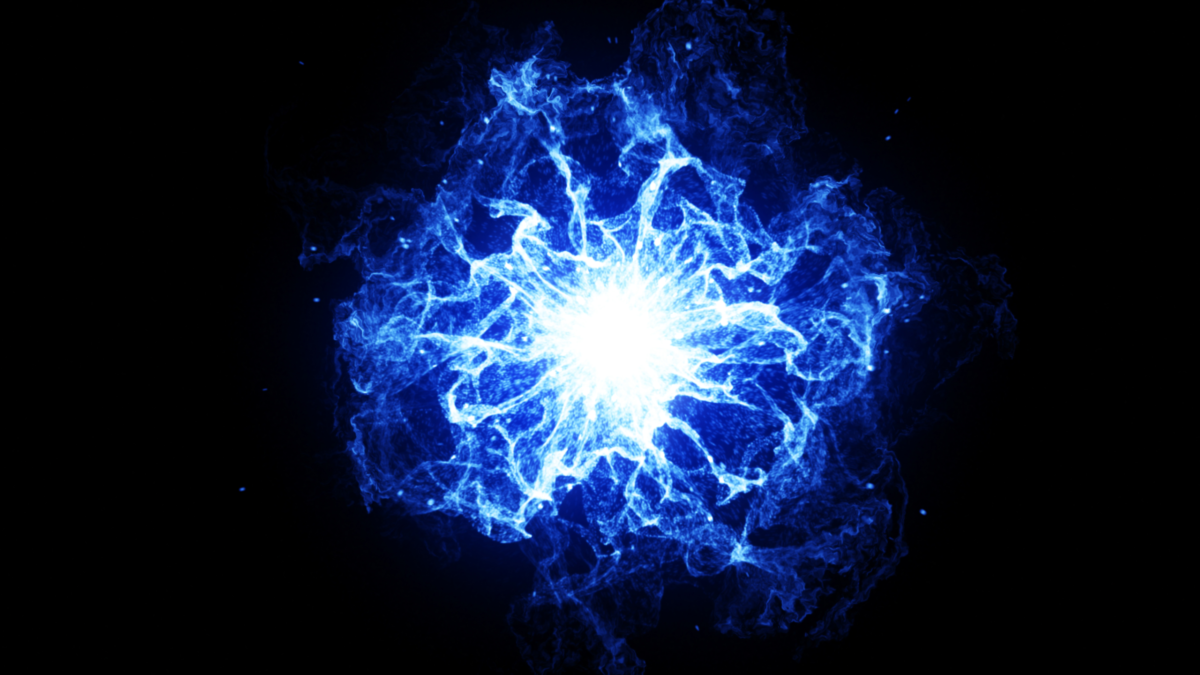
Scientists have successfully created miniature ball lightning in a controlled laboratory setting, offering new insights into a phenomenon that has baffled researchers for centuries.
The achievement marks a significant milestone in understanding ball lightning, a rare and poorly understood atmospheric electrical phenomenon. The lab-generated miniature ball lightning mimics the natural occurrence, providing a unique opportunity for detailed study.
Researchers have long struggled to replicate ball lightning due to its unpredictable nature and the lack of consistent observations. The successful creation of miniature ball lightning in a lab setting allows for controlled experiments, which can help unravel the underlying mechanisms behind this enigmatic natural event.
The miniature ball lightning was produced using advanced laboratory techniques, enabling scientists to observe and measure its properties in real-time. This breakthrough could lead to a better understanding of the conditions that give rise to ball lightning and its behavior.
By studying the miniature ball lightning, researchers aim to address long-standing questions about its composition, longevity, and interaction with its environment. The findings from these experiments could contribute to the development of new theories and models that explain the formation and behavior of ball lightning in nature.
This development is expected to advance the field of atmospheric electricity and potentially lead to practical applications in lightning protection and other related technologies.
Context/Background: Ball lightning is a rare and poorly understood atmospheric electrical phenomenon. Its study has been hindered by the lack of consistent observations and the inability to replicate it in a controlled environment. The successful creation of miniature ball lightning in a lab setting offers a unique opportunity to study this elusive natural event and potentially unlock the secrets behind its formation and behavior.