Algeria Reiterates Support for Sahrawi Self-Determination at UN
 ··3 min read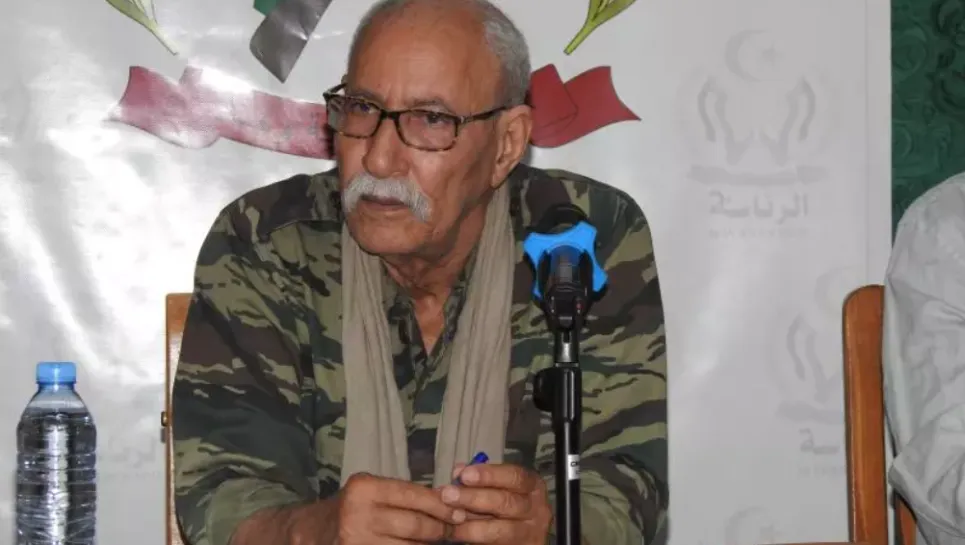
Algeria reaffirmed its support for the Sahrawi people's right to self-determination during a meeting at the United Nations on Tuesday, October 25, 2023.
During the general debate of the Fourth Committee of the UN General Assembly, Algeria emphasized its unwavering stance on the Western Sahara issue. The committee is responsible for political and decolonization matters. Algeria's position was conveyed in a statement delivered to the committee, which is tasked with addressing political and decolonization matters.
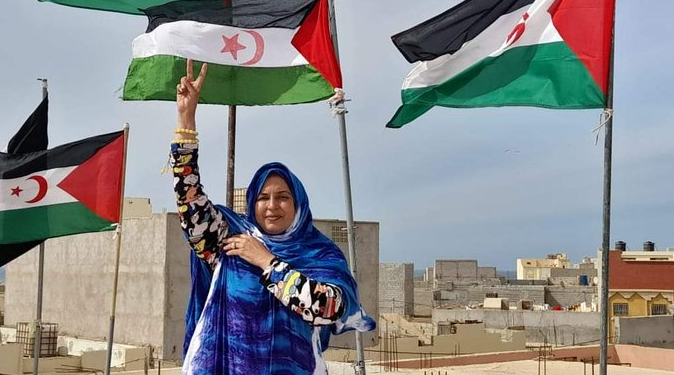
Algeria's statement came as part of a broader discussion on the Western Sahara conflict. The Sahrawi people have long sought self-determination, and Algeria has consistently supported their cause. The Sahrawi Arab Democratic Republic (SADR) has been recognized by 84 countries, including Algeria, as the legitimate representative of the Sahrawi people.
In a separate development, the President of the SADR, Ibrahim Ghali, reiterated the Sahrawi people's commitment to their right to self-determination. This stance underscores the ongoing struggle for independence and sovereignty in the region.
The Western Sahara conflict has been a contentious issue for decades, with Morocco and the SADR both claiming sovereignty over the territory. The conflict has resulted in a protracted stalemate, with no resolution in sight.
The UN has been involved in mediation efforts, but a lasting solution has remained elusive. The UN Mission for the Referendum in Western Sahara (MINURSO) has been in place since 1991, but its mandate has been repeatedly extended without a clear path to a referendum.
The Sahrawi people's struggle for self-determination has garnered international support, with various countries and organizations advocating for their rights. The African Union, for instance, has recognized the SADR as a member state, further complicating the diplomatic landscape.
The recent statements from Algeria and the SADR highlight the ongoing importance of the Western Sahara issue in international diplomacy. The conflict remains a critical point of contention, with both sides firmly entrenched in their positions.
As the international community continues to engage in efforts to resolve the conflict, the Sahrawi people's right to self-determination remains a central issue. The outcome of these diplomatic efforts will have significant implications for the region's stability and the future of the Sahrawi people.
CONTEXT: The Western Sahara conflict is a longstanding territorial dispute between Morocco and the SADR. The territory was a Spanish colony until 1975, when Spain withdrew and Morocco and Mauritania moved in, leading to a war with the Polisario Front, which seeks independence for the Western Sahara. The conflict has resulted in a protracted stalemate, with no resolution in sight. The UN has been involved in mediation efforts, but a lasting solution has remained elusive. The Sahrawi people's struggle for self-determination has garnered international support, with various countries and organizations advocating for their rights. The African Union, for instance, has recognized the SADR as a member state, further complicating the diplomatic landscape. The recent statements from Algeria and the SADR highlight the ongoing importance of the Western Sahara issue in international diplomacy. The conflict remains a critical point of contention, with both sides firmly entrenched in their positions. As the international community continues to engage in efforts to resolve the conflict, the Sahrawi people's right to self-determination remains a central issue. The outcome of these diplomatic efforts will have significant implications for the region's stability and the future of the Sahrawi people.