Art World Confronts Rise of AI-Generated Writing
 ··1 min read
Art professionals are increasingly concerned about the use of artificial intelligence (AI) in generating written content for exhibitions, artist statements, and press releases. This issue has sparked debates within the art world, with some editors and writers expressing their disapproval of AI-generated text.
Critics argue that AI-generated writing lacks authenticity and originality, often resulting in text that, while stylistically confident, is hollow in substance. This concern extends to various forms of art writing, including wall labels, press releases, and artist statements.
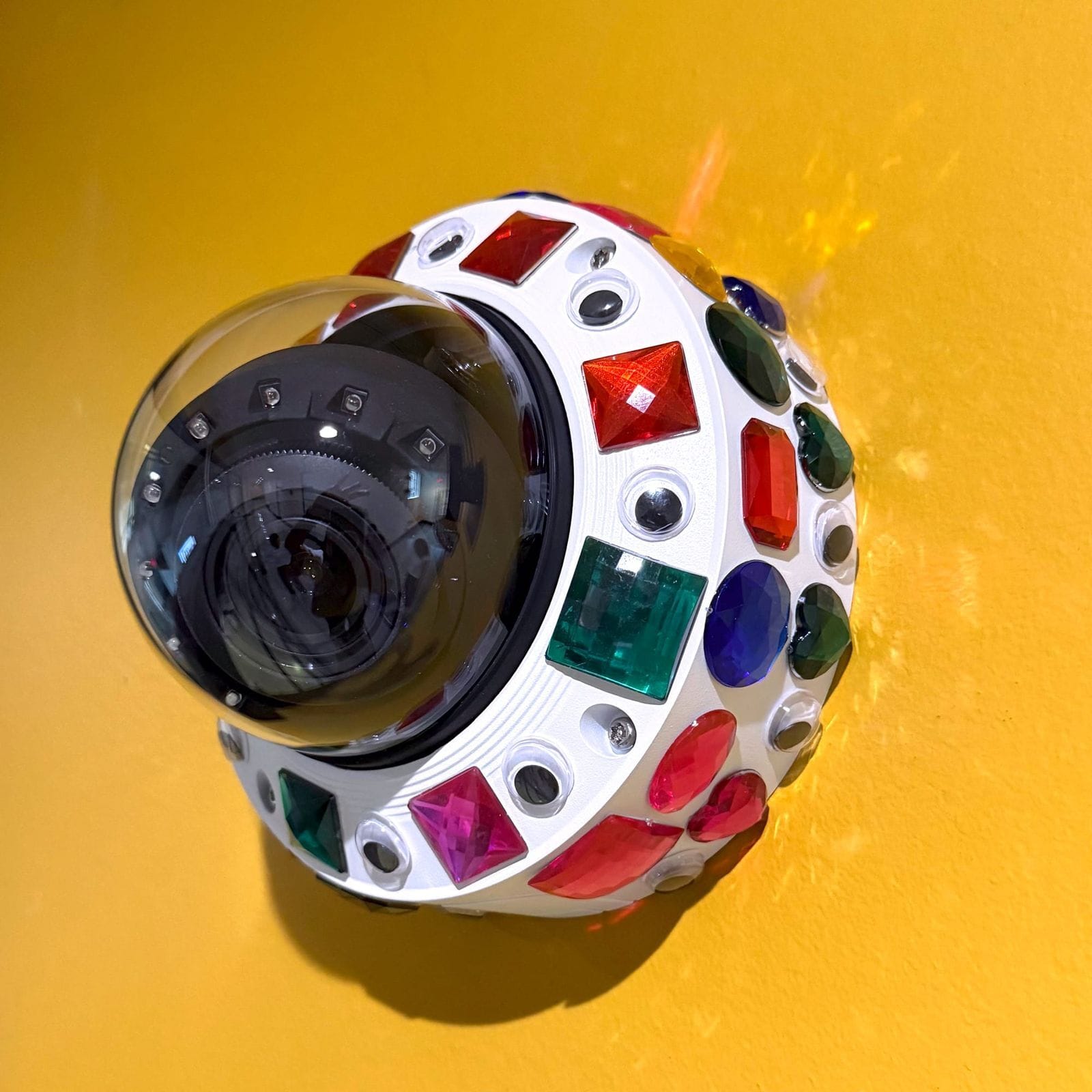
In response to the growing use of AI, some art professionals are taking proactive measures. At the Massachusetts Institute of Technology (MIT), tenured professors have begun decorating security cameras with googly eyes and rhinestones as a form of protest against the university's investment in surveillance technology. This action, while unconventional, underscores the broader concerns about the ethical implications of AI and surveillance in the art world.
The debate over AI in art writing reflects a larger conversation about the role of technology in creative fields. As AI continues to advance, the art world grapples with questions about authenticity, originality, and the future of artistic expression.
**Context**: The use of AI in art writing raises important questions about the value of human creativity and the potential for AI to dilute the authenticity of artistic expression. As the art world continues to evolve, these issues will likely become more prominent, necessitating ongoing dialogue and reflection among artists, curators, and art enthusiasts.