Intel Secures Waiver for Foreign-Made Robots in US Chip Plants
 ··2 min read
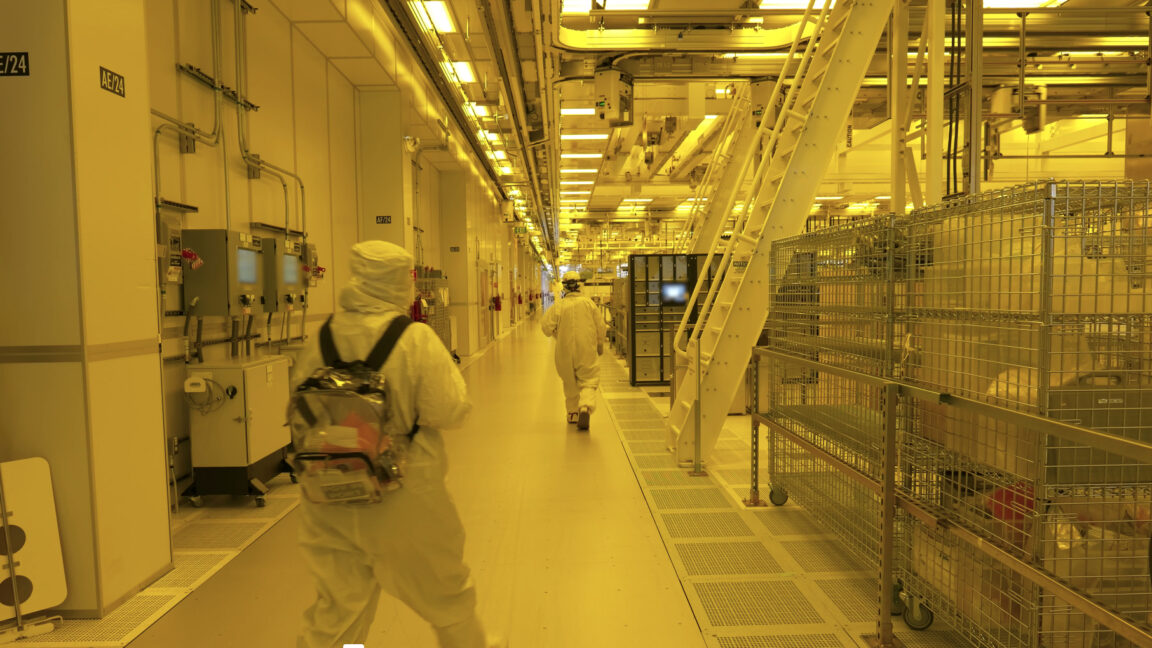
Intel, a leading US chip manufacturer, has obtained a one-year waiver to continue using specific foreign-made robots in its domestic semiconductor manufacturing facilities. The waiver, granted by the Federal Communications Commission (FCC), addresses concerns about a US government ban on certain foreign-made robots. The ban had created uncertainty for Intel, prompting the company to seek clarification to ensure uninterrupted operations in its US chip plants.
The FCC published its decision on October 22, permitting Intel to use the foreign-made robots in its US semiconductor manufacturing facilities for the next year. The robots in question are automated guided vehicles that operate on tracks or predefined paths and often require operator oversight. They are used to transport materials and items within warehouses and factory floors, according to Intel's website.
The waiver comes after Intel expressed concerns about the potential impact of the FCC's ban on its operations. The company sought the waiver “out of an abundance of caution” to ensure that it could continue using these robots without disruption. The FCC's decision provides Intel with a temporary solution while the broader implications of the ban are being assessed.
Intel's request for a waiver highlights the complexities and uncertainties surrounding the US government's regulations on foreign-made technology. The ban, which affects certain foreign-made robots, has raised questions about its scope and potential impact on US manufacturing operations. Intel's situation underscores the need for clear guidelines to help companies navigate these regulatory challenges.
**Context:** The use of automated guided vehicles in semiconductor manufacturing is crucial for maintaining efficiency and productivity. The FCC's ban on certain foreign-made robots has significant implications for the semiconductor industry, which relies heavily on automated systems for material handling and transportation. Intel's waiver provides a temporary resolution but also raises broader questions about the future of foreign-made technology in US manufacturing. The situation highlights the delicate balance between national security concerns and the need for advanced technology in critical industries.