Internal Speech Affects Pupil Size Differently Than Out Loud Speech
 ··2 min read
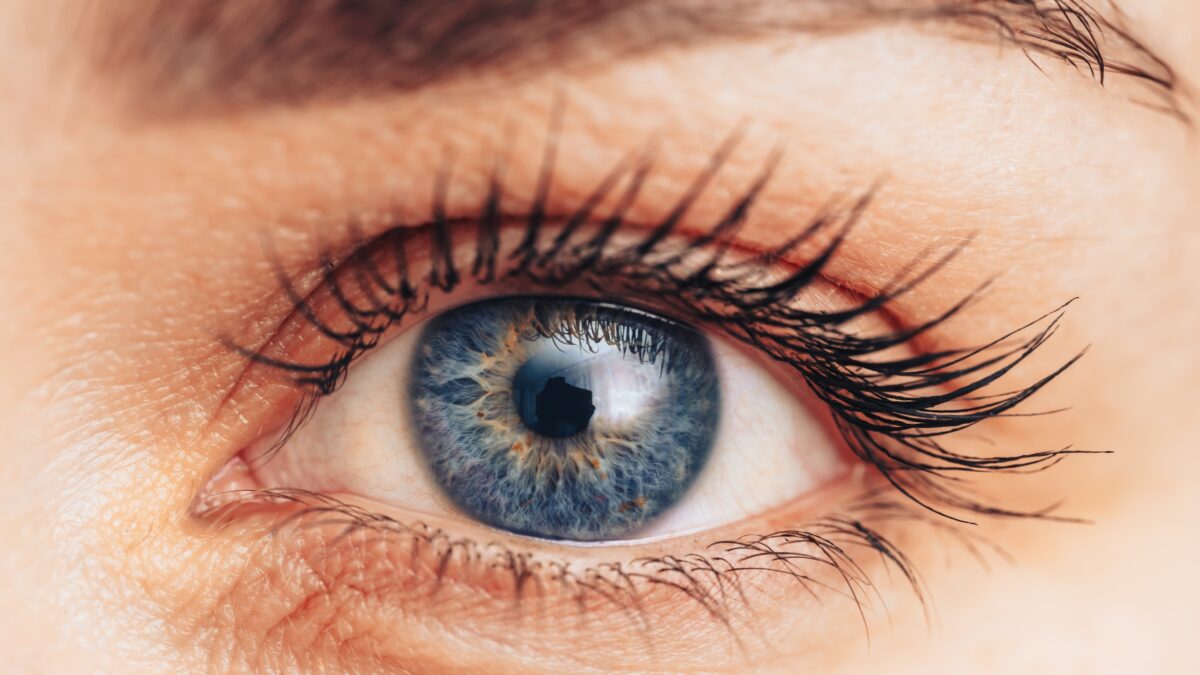
Scientists have discovered that internal speech, or talking to oneself in one's head, and speaking aloud cause different changes in pupil size.
Researchers from the University of Surrey and the University of Cambridge conducted a study to investigate the effects of internal and external speech on pupil size. The study was published in the journal 'Psychophysiology'.
The researchers used a technique called pupillometry, which measures changes in pupil size, to monitor the participants' pupils while they performed tasks involving internal and external speech. The participants were asked to either speak their thoughts aloud or keep them to themselves while performing tasks.
During the study, the participants' pupils were measured in two conditions: when they were speaking internally and when they were speaking aloud. The researchers found that the pupils dilated more when the participants were speaking internally compared to when they were speaking aloud.
The study also found that the pupils dilated more when the participants were speaking internally in a task that required more cognitive effort, such as solving a puzzle, compared to a task that required less cognitive effort, such as reading a sentence.
The researchers suggest that the difference in pupil dilation between internal and external speech may be due to the different cognitive processes involved in each type of speech. Internal speech may require more cognitive effort and attention, which could explain why the pupils dilated more in this condition.
The researchers also suggest that the difference in pupil dilation between internal and external speech may be due to the different neural mechanisms involved in each type of speech. Internal speech may involve different neural pathways and brain regions than external speech, which could explain why the pupils dilated more in this condition.