Fetal Development Milestones During Pregnancy
 ··1 min read
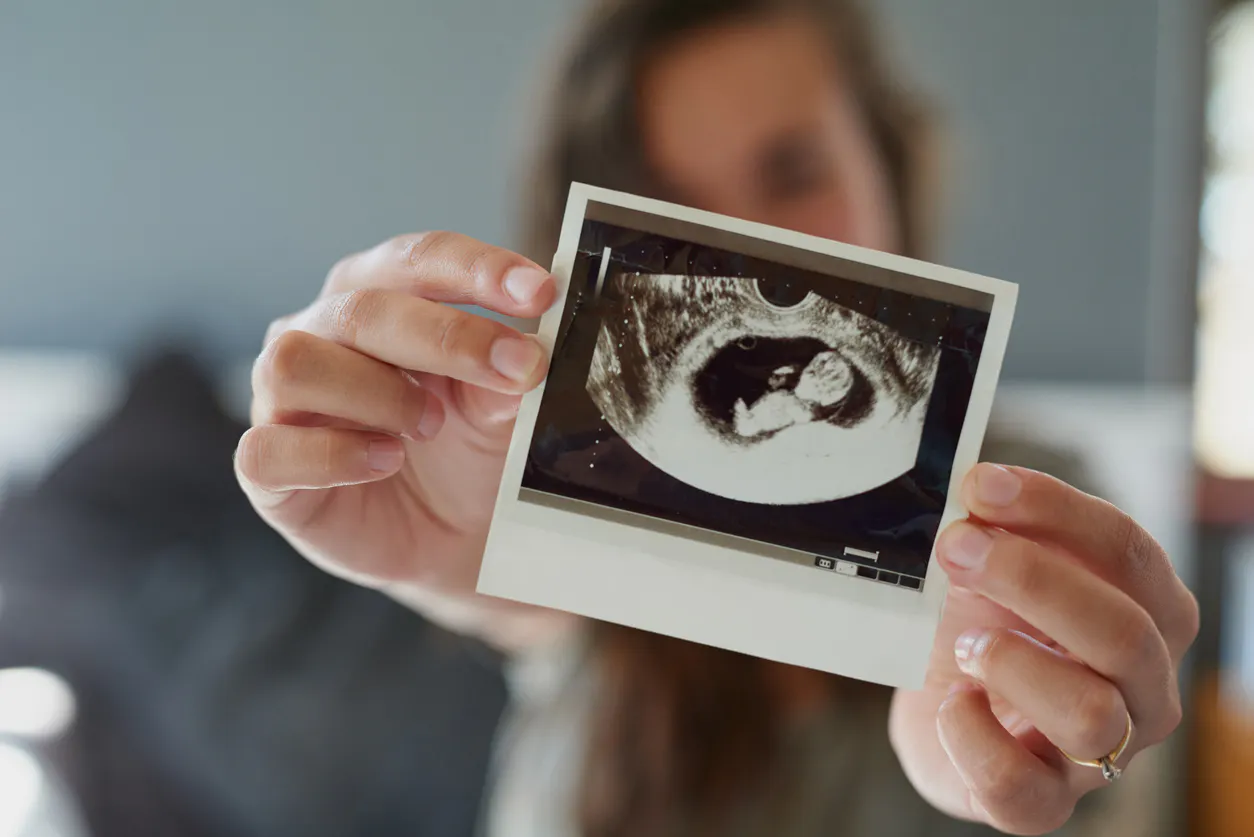
Fetal development during pregnancy follows a series of key milestones, each vital for the baby's growth and health. The process begins with implantation, occurring a few days after fertilization, where the embryo attaches to the uterine lining.
During the first trimester, which spans from conception to the 12th week, the embryo undergoes rapid cell division and differentiation. By the end of this period, all essential organs and systems, including the heart, brain, and lungs, have begun to form. The placenta, a temporary organ, also develops to provide nutrients and oxygen to the growing embryo.
The second trimester, from week 13 to week 27, is characterized by significant growth. The fetus's organs and systems continue to mature, and the placenta becomes fully functional. By the 20th week, the fetus's sex can be determined through ultrasound. This period is also marked by the development of sensory organs, including the eyes and ears, which start to function.
The third trimester, from week 28 to birth, focuses on the fetus's preparation for life outside the womb. The lungs mature, and the fetus practices breathing movements. The fetus also gains a significant amount of weight, with fat deposits forming under the skin. The senses become fully functional, and the fetus can perceive light, sound, and taste.
Throughout pregnancy, the placenta plays a crucial role. It produces essential hormones, such as human chorionic gonadotropin (hCG) and progesterone, which support the pregnancy. The placenta also facilitates the exchange of nutrients, oxygen, and waste between the mother and the fetus.