
Muslim Candidates in US Congress Elections 2026
 ··2 min read
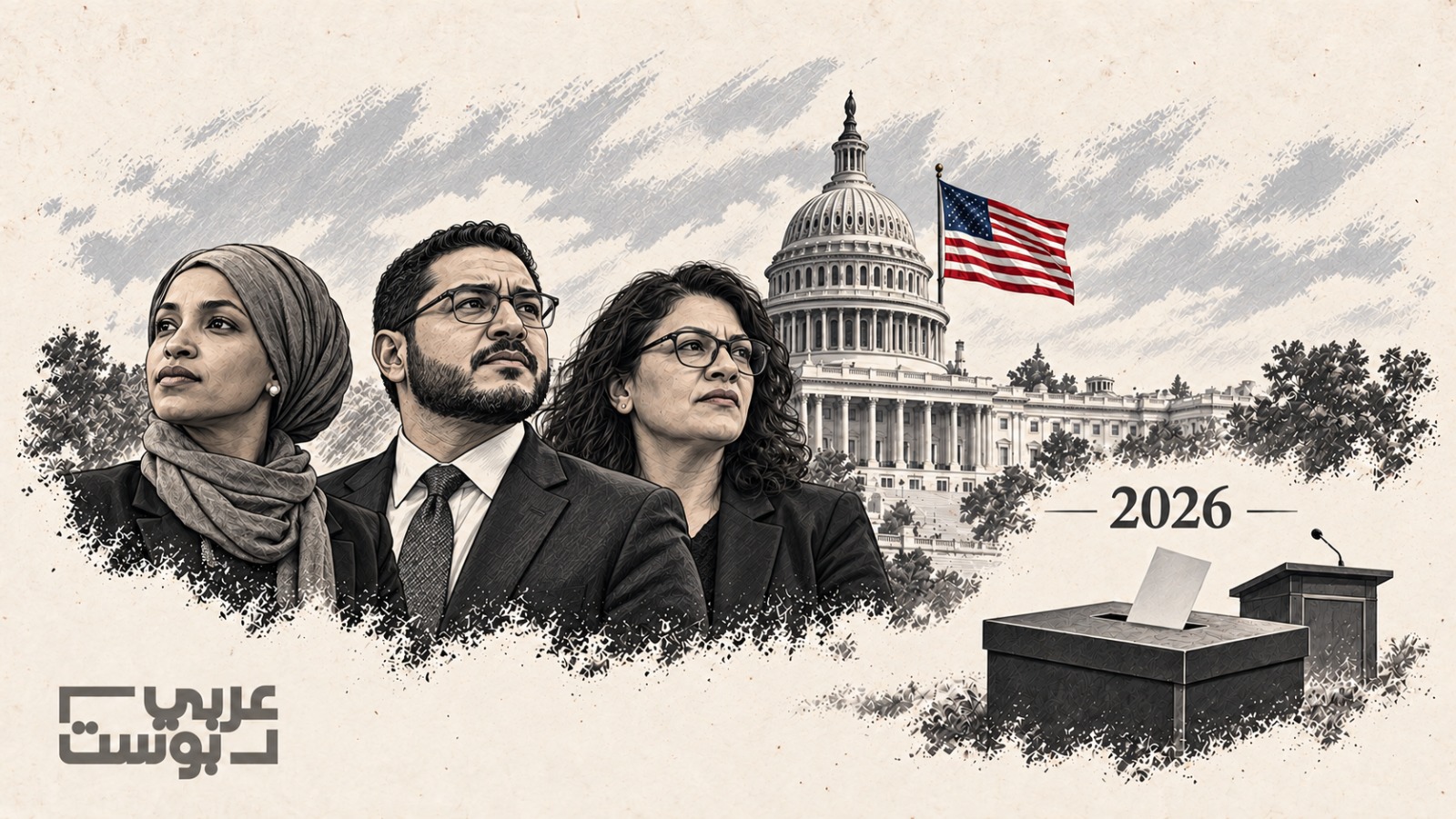
In the 2026 US Congress elections, a record number of Muslim candidates are vying for seats in the House of Representatives and the Senate, with key races and controversies shaping the political landscape. The candidates are spread across eight states, including Democrats, Republicans, and Independents, with varying levels of competition and issues at stake.
One of the most notable races is in Michigan, where Democratic candidate Abdullah Al-Sayed is running for a Senate seat. Al-Sayed, a surgeon who has volunteered in Gaza hospitals, faces significant opposition, including controversial statements from former President Donald Trump. Trump has accused Al-Sayed of having ties to the Muslim Brotherhood and supporting terrorism, claims that Al-Sayed has strongly denied. Trump also alleged that Al-Sayed's family members have connections to extremist groups and criticized Jewish supporters of Al-Sayed, urging them to feel ashamed.
In other states, Muslim candidates are fighting to retain or gain seats in the House of Representatives. In one such race, Aisha Wahab, a Democrat, is seeking a full term after winning a special election. Wahab's campaign, like others, focuses on issues such as healthcare, cost of living, and immigration, as well as Middle East conflicts and US foreign policy.
Several candidates are facing challenges within their own parties, highlighting the diversity of the Muslim American political landscape. These races include both closely contested battles and those in districts traditionally dominated by one party. The candidates are addressing a range of issues, from domestic concerns to international conflicts, reflecting the broad spectrum of interests within the Muslim American community.
The elections are also marked by controversies surrounding the candidates' religious and political affiliations. Some candidates have faced accusations of extremist ties, which they have vehemently denied. These accusations have sparked debates about the intersection of religious identity and political activism, with candidates and supporters emphasizing the importance of separating personal beliefs from political stances.
In addition to the Senate and House races, the elections feature candidates from various political backgrounds, including independents and those from both major parties. This diversity underscores the growing influence of Muslim Americans in US politics, as well as the complexities of their political engagement.


