Holocaust Watercolors Dispute Highlights Forgotten Roma Victims
 ··2 min read
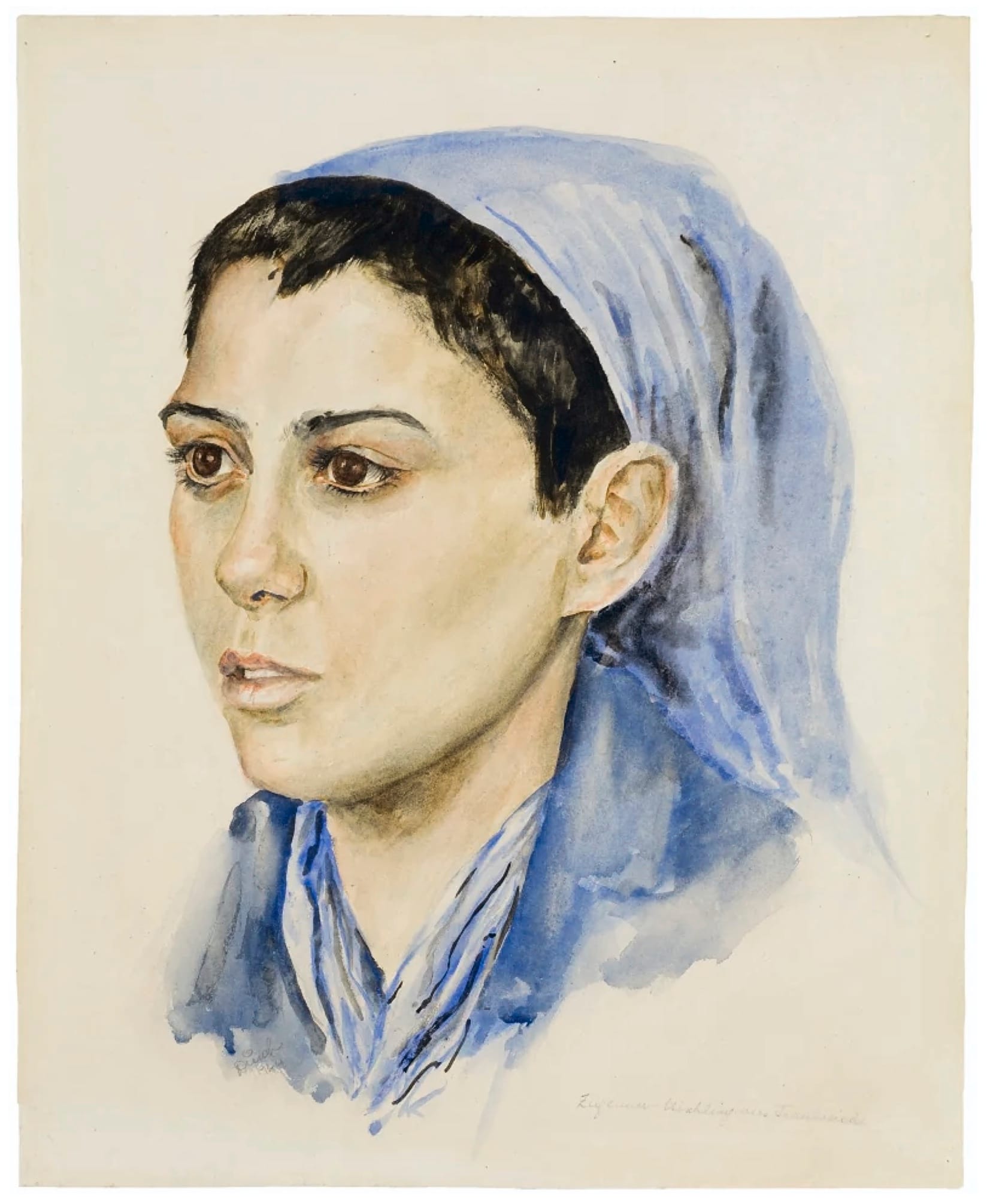
The decades-long ownership dispute over seven watercolors painted by Holocaust survivor Dina Gottliebova Babbitt has resurfaced, with a lawsuit filed in California by her daughters 17 years after her death.
The watercolors, depicting Roma prisoners, were created under the orders of Dr. Josef Mengele, known as the 'Angel of Death,' as part of his pseudo-scientific experiments during the Holocaust. Babbitt, who was forced to paint the portraits to save her own life and that of her mother, has been the subject of a protracted legal battle with the Auschwitz-Birkenau State Museum over the ownership of the artworks.
The lawsuit, initiated by Babbitt's daughters, seeks to reclaim the watercolors, which have been in the possession of the museum since 1945. The dispute has sparked renewed conversations about the ethical implications of the ownership of the watercolors and the rights of the Roma people depicted in them.
The Roma prisoners, who were forced to pose for the portraits, were later executed. The names of all but one of the Roma people in the watercolors, Celine, remain unknown. This lack of recognition has led to a broader discussion about the marginalization and stigmatization of Roma identity, both during and after the Holocaust.
The dispute has also highlighted the lack of acknowledgment and restitution for Roma victims of the Holocaust. Despite the horrors they endured, Roma victims have received little to no recognition or compensation for their suffering.
The watercolors, created under extreme circumstances, hold significant historical and emotional value. Babbitt, who moved to the United States and had a successful career in animation, described a deep emotional need to hold the watercolors again. She often tried to recreate the paintings from memory, underscoring their profound personal significance.
The lawsuit and the renewed attention on the watercolors have brought to light the broader implications of this tragedy. The Roma prisoners were posed by Mengele in anticipation of their death as part of an experiment meant to degrade their humanity. Yet, they are often discussed as the least important party in this dispute over the ethical issues concerning ownership of the watercolors.