Tunisia Faces Severe Water Crisis by 2050, Warns World Bank
 ··2 min read
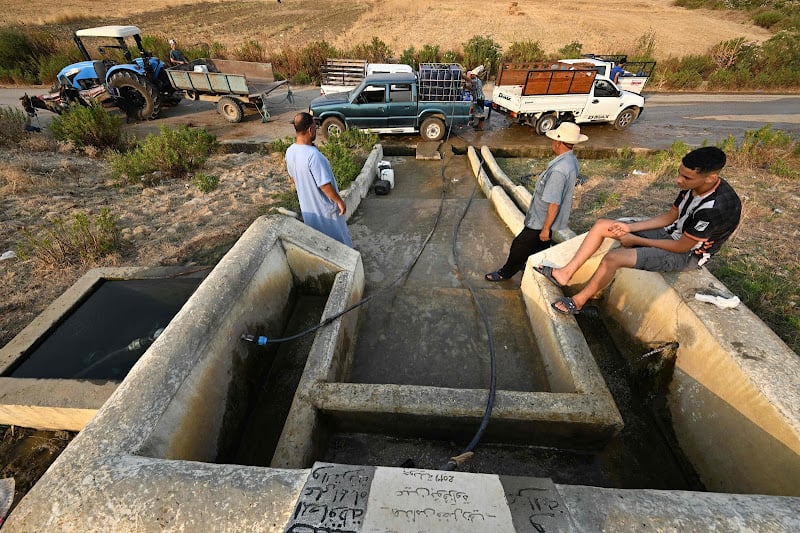
The World Bank has issued a stark warning that Tunisia could face severe economic repercussions due to water scarcity by 2050. The bank estimates that without sufficient measures, the water crisis could cost the country 6.4% of its GDP by the middle of the century.
According to the World Bank's report, Tunisia currently has a per capita renewable freshwater supply of 380 cubic meters per year. This is significantly below the global average. The report, titled "Water Challenge in Tunisia: From Scarcity to Adaptation Capacity", highlights that the country will need approximately $900 million annually until 2050 to address its water challenges.
The water crisis in Tunisia is multifaceted, encompassing fluctuations in rainfall and reservoir levels, resource depletion, distribution and irrigation network losses, and pressures on agricultural production and prices. The report emphasizes that the crisis is structural, not temporary, and that improvements in rainfall and reservoir levels will only provide temporary relief amidst increasing pressure on water resources.
One of the key challenges highlighted in the report is the difficulty in translating announced plans and funding into concrete reforms. This includes addressing losses in distribution and irrigation networks, which are significant contributors to the water crisis. The report also notes the need for sustainable water management practices to mitigate the impacts of climate change and population growth.
Tunisia's water crisis is exacerbated by its heavy reliance on agriculture, which accounts for approximately 75% of the country's water consumption. The agricultural sector is particularly vulnerable to water shortages, which can lead to reduced crop yields and increased food prices. The report suggests that diversifying the economy and promoting water-efficient agricultural practices could help alleviate some of the pressure on water resources.
The World Bank's report comes at a critical time for Tunisia, as the country grapples with economic instability and political uncertainty. The water crisis adds another layer of complexity to the challenges facing the Tunisian government, which is already struggling to implement necessary reforms and address the needs of its population.