U.S. Military Official's Dismissal Linked to Polygraph Test Results
 ··2 min read
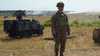
WASHINGTON, D.C. — A senior U.S. military planner, Brigadier General Bret Sylvia, was dismissed from his role at the Pentagon following an internal investigation that included polygraph test results. The investigation was conducted after a security breach was detected in the military's planning department.
The investigation revealed that General Sylvia had failed four polygraph tests. The tests are part of the standard procedure for high-level security clearances in the U.S. military. The results of these tests indicated inconsistencies in his responses regarding sensitive information.
General Sylvia, who held a key position in the military's strategic planning, was responsible for overseeing critical operations and ensuring the security of classified information. His dismissal has raised concerns about the security protocols within the Pentagon and the reliability of polygraph tests in detecting deception.
The Pentagon has not released specific details about the nature of the security breach or the information that was compromised. However, sources indicate that the breach involved classified documents related to ongoing military operations. The investigation is ongoing, and further actions may be taken as more information comes to light.
Polygraph tests, commonly known as lie detector tests, are used by various U.S. government agencies to verify the truthfulness of individuals with access to sensitive information. The tests measure physiological responses such as heart rate, blood pressure, and sweat gland activity to detect signs of deception. However, the reliability of polygraph tests has been a subject of debate among experts, with some questioning their accuracy and effectiveness.
The dismissal of General Sylvia highlights the importance of maintaining stringent security measures within the military. It also underscores the challenges faced by the Pentagon in ensuring the integrity of its personnel and the protection of classified information. The incident has sparked discussions within the military community about the need for enhanced security protocols and the potential limitations of polygraph testing.
In response to the incident, the Pentagon has announced plans to review and strengthen its security protocols. This includes a comprehensive assessment of the polygraph testing process and the implementation of additional measures to prevent future breaches. The review aims to ensure that all personnel with access to sensitive information undergo rigorous screening and monitoring.
The dismissal of General Sylvia serves as a reminder of the critical role that security plays in the military's operations. It also highlights the need for continuous vigilance and improvement in security measures to protect national interests and maintain public trust.