Bulgaria's Presidential Election Amidst Black Sea Tensions
 ··3 min read
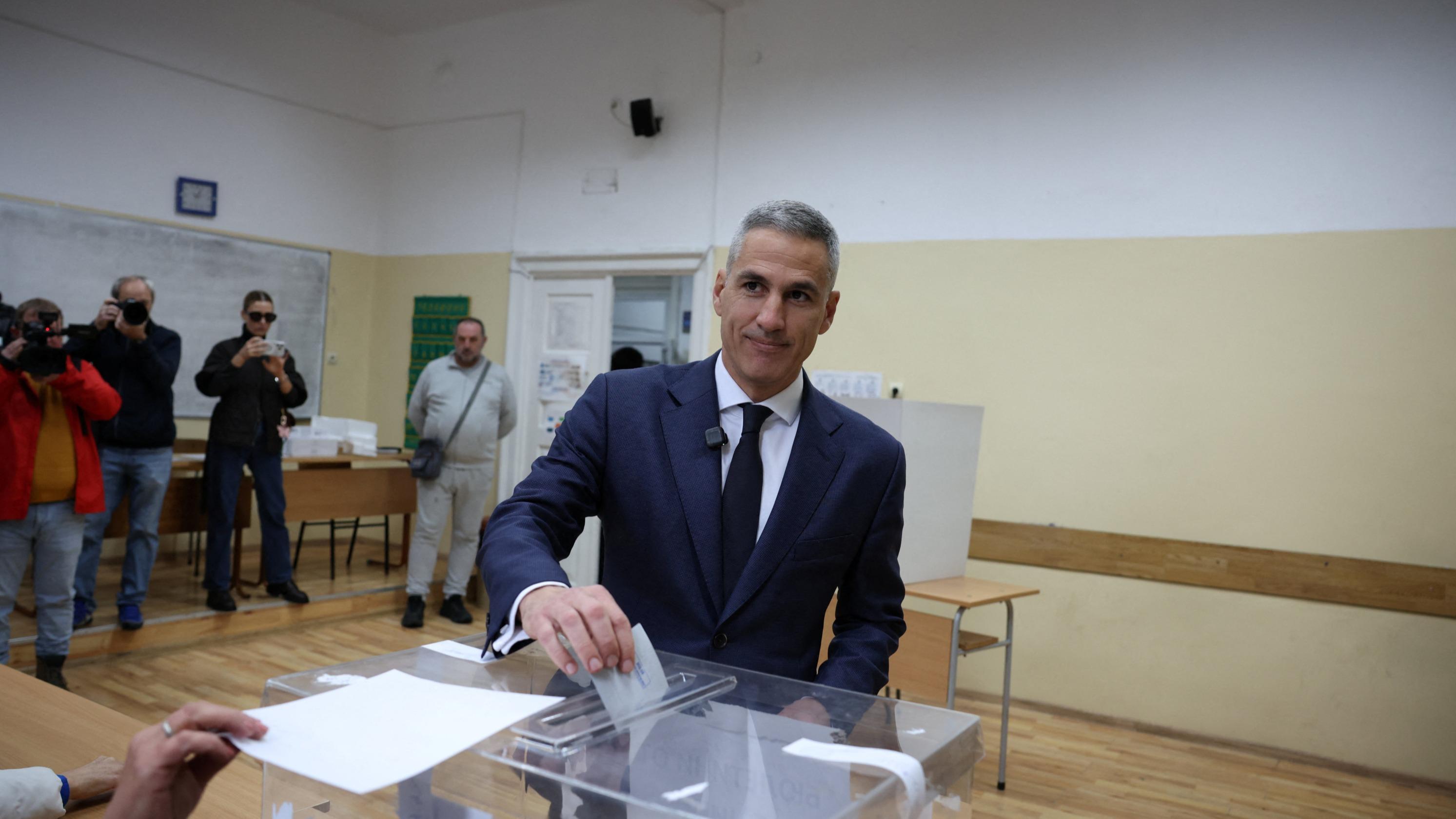
Bulgarians will vote in a presidential election on November 14, 2023, with heightened tensions in the Black Sea region shaping the political landscape. The two leading candidates, a former prime minister and a former foreign minister, hold differing views on the ongoing conflict in Ukraine and Bulgaria's relationship with Russia.
The election comes at a time of heightened tensions in the Black Sea, with increased military activity and geopolitical maneuvering by regional powers. The Black Sea has become a flashpoint for conflict, with both Russia and Ukraine engaging in naval exercises and confrontations. Bulgaria, which shares a coastline with the Black Sea, is directly impacted by these developments.
Bulgaria's presidential election is taking place against the backdrop of a complex geopolitical landscape. The country is a member of NATO and the European Union, and its foreign policy is closely aligned with these organizations. However, Bulgaria also has historical and cultural ties to Russia, which complicates its position in the ongoing conflict. The election of a new president will have significant implications for Bulgaria's foreign policy and its relationship with both Russia and Ukraine.
The two leading candidates in the election have starkly different views on the conflict in Ukraine and Bulgaria's relationship with Russia. The former prime minister, who is running as an independent, has been a vocal critic of Russia's actions in Ukraine and has called for stronger support for Ukraine. The former foreign minister, who is running as a candidate for the ruling party, has taken a more nuanced approach, emphasizing the need for dialogue and diplomacy to resolve the conflict. The former foreign minister has also expressed a desire to maintain strong ties with Russia, while the former prime minister has called for a more assertive stance against Russian aggression.
The election is being closely watched by both domestic and international observers. The outcome will have significant implications for Bulgaria's foreign policy and its relationship with both Russia and Ukraine. The election is also seen as a test of Bulgaria's democratic institutions, as the country has faced political instability and corruption scandals in recent years. The election is being closely monitored by international organizations, including the Organization for Security and Cooperation in Europe (OSCE), which has deployed observers to monitor the voting process.
In addition to the geopolitical tensions, the election is also being shaped by domestic issues, including economic concerns and political instability. Bulgaria has faced economic challenges in recent years, with high levels of poverty and unemployment. The election is seen as an opportunity for voters to express their dissatisfaction with the current government and its handling of the economy. The election is also taking place against the backdrop of political instability, with frequent changes in government and a lack of consensus on key policy issues.
Despite the challenges, the election is being seen as a crucial moment for Bulgaria's democratic development. The country has faced political instability and corruption scandals in recent years, and the election is seen as an opportunity to strengthen democratic institutions and restore public trust in the political system. The election is also seen as a test of Bulgaria's commitment to democratic values and the rule of law, which are essential for its future development and integration into the European Union.