Africa's Governance Report: Mixed Progress and Declines
 ··3 min read
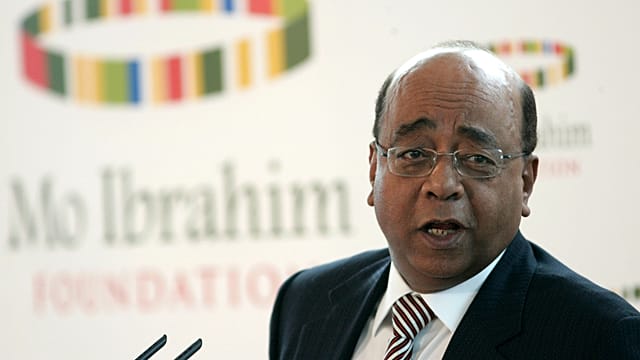
Africa has seen both progress and decline in governance over the past decade, according to the latest report by the Mo Ibrahim Foundation. The report, released this year, highlights improvements in economic opportunity and human development, but also notes significant setbacks in security, human rights, and public participation.
The report, titled 'Africa's Governance Report 2023,' assesses the state of governance across the continent. It covers 54 African countries, providing a comprehensive overview of the governance landscape. The findings indicate that while there has been broad progress in economic opportunity and human development, these gains have been overshadowed by steep declines in other critical areas.
Economic opportunity and human development have seen notable improvements. The report attributes this to various factors, including increased investment in infrastructure, education, and healthcare. These investments have led to better living standards and economic growth in many African countries.
However, the report also highlights significant declines in security, human rights, and public participation. These declines are attributed to a range of factors, including political instability, conflict, and authoritarian governance. The report notes that many African countries have seen an increase in human rights abuses and a decrease in public participation in governance processes.
The Mo Ibrahim Foundation's report comes at a time when Africa is grappling with a range of governance challenges. The continent is home to some of the world's fastest-growing economies, but it also faces significant security and human rights issues. The report underscores the need for African leaders to prioritize governance reforms that address these challenges.
The report also highlights the role of 'strongmen' in African politics. The term 'strongmen' refers to leaders who consolidate power and rule with little regard for democratic principles. The report notes that the prevalence of 'strongmen' in African politics has contributed to the decline in security, human rights, and public participation. The report calls for a shift towards more democratic and inclusive governance models.
The Mo Ibrahim Foundation is a non-profit organization that promotes good governance and leadership in Africa. The foundation was established by Mo Ibrahim, a Sudanese-British mobile communications entrepreneur, in 2006. The foundation's annual report is a key resource for policymakers, academics, and civil society organizations interested in African governance.
The report's findings are based on a comprehensive analysis of data from various sources, including the Ibrahim Index of African Governance (IIAG). The IIAG is a comprehensive assessment of governance in Africa, covering 140 indicators across four categories: Safety and Rule of Law, Participation and Human Rights, Sustainable Economic Opportunity, and Human Development.
The report's recommendations include the need for African leaders to prioritize governance reforms that address security, human rights, and public participation. It also calls for increased investment in education, healthcare, and infrastructure, as well as a shift towards more democratic and inclusive governance models. The report emphasizes the importance of good governance in achieving sustainable development and economic growth.