
Cyberattacks Disrupt Emergency Alert Systems in Ukraine and Russia
 ··4 min read
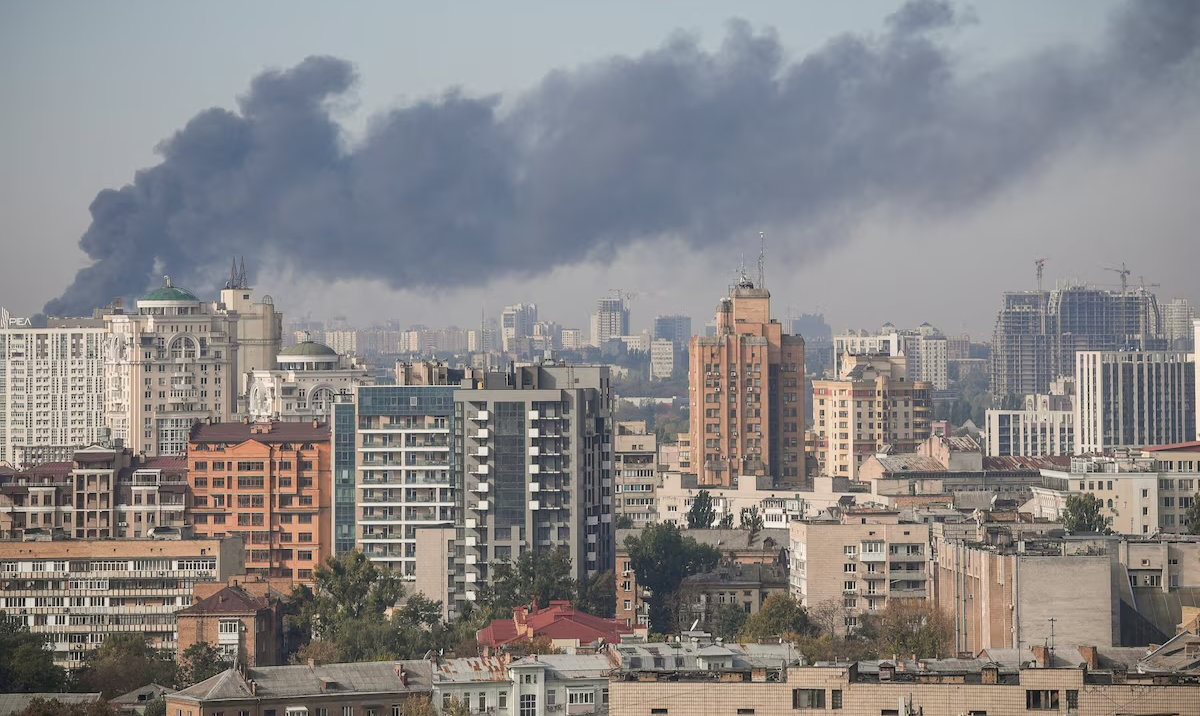
Ukraine and Russia both reported cyberattacks on their public emergency alert systems over the weekend, leading to the dissemination of false information to users. The incidents occurred in Kyiv and Moscow, affecting both countries' public safety communications.
Ukraine's Air Force announced on Sunday that its public air raid alert application, Air Alarm, had been targeted. The Air Force described the incident as “hostile interference” or “enemy influence” in a statement on Telegram, advising users to be cautious and to rely on official sources for accurate information. The statement did not specify the exact nature of the cyberattack or its origin.
Similarly, Russia's emergency alert system was also compromised, with false alerts being sent to users. The Russian authorities did not provide details on the nature of the cyberattack or the extent of the disruption. The attacks on both countries' emergency alert systems highlight the vulnerability of public safety communications to cyber threats.
In response to the attacks, both countries have taken measures to enhance the security of their emergency alert systems. Ukraine's Air Force has urged users to update their applications and to be vigilant for any suspicious activity. Russian authorities have also initiated investigations into the cyberattacks and are working to prevent future incidents.
Cybersecurity experts have warned that such attacks could have serious consequences, including panic among the public and disruption of emergency services. The incidents underscore the importance of robust cybersecurity measures to protect critical infrastructure, especially in times of conflict or crisis.
This is not the first time that Ukraine and Russia have faced cyberattacks. Both countries have been targeted by cyber threats in the past, with Ukraine experiencing a series of high-profile attacks in recent years. These attacks have ranged from data breaches to disruptions of critical infrastructure, including power grids and telecommunications networks.
Ukraine has been particularly vulnerable to cyberattacks due to its ongoing conflict with Russia. The country has been the target of numerous cyber operations, including the 2015 and 2016 blackouts in western Ukraine, which were attributed to Russian hackers. More recently, Ukraine has faced a wave of cyberattacks in the wake of the Russian invasion in 2022, with attacks targeting government websites, banks, and other critical infrastructure.
In response to these threats, Ukraine has been working to strengthen its cyber defenses. The country has established a dedicated cybersecurity agency, the State Special Communications Service, to coordinate efforts to protect against cyber threats. The agency has been working closely with international partners, including the United States and European Union, to enhance Ukraine's cybersecurity capabilities.
Russia, too, has faced cyber threats, although the country has been more secretive about the extent and nature of the attacks it has faced. Russian authorities have acknowledged that the country's infrastructure is vulnerable to cyberattacks, and have taken steps to enhance cybersecurity. However, the effectiveness of these measures remains unclear, as Russia has not disclosed detailed information about the cyberattacks it has faced or the measures it has taken to address them.
The recent cyberattacks on Ukraine and Russia's emergency alert systems serve as a reminder of the growing threat of cyber warfare in modern conflicts. As both countries continue to face cyber threats, they must prioritize the protection of their critical infrastructure and public safety communications. The international community must also play a role in supporting efforts to enhance cybersecurity and prevent future cyberattacks.
As the world becomes increasingly digital, the threat of cyberattacks on critical infrastructure and public safety communications is a growing concern. The recent incidents in Ukraine and Russia highlight the need for robust cybersecurity measures to protect against such threats. Both countries must continue to invest in cybersecurity and work with international partners to enhance their defenses. The international community must also support these efforts, recognizing the importance of cybersecurity in maintaining global stability and security.


