
Syria's New Leadership Intensifies Counter-Terrorism Efforts
 ··3 min read
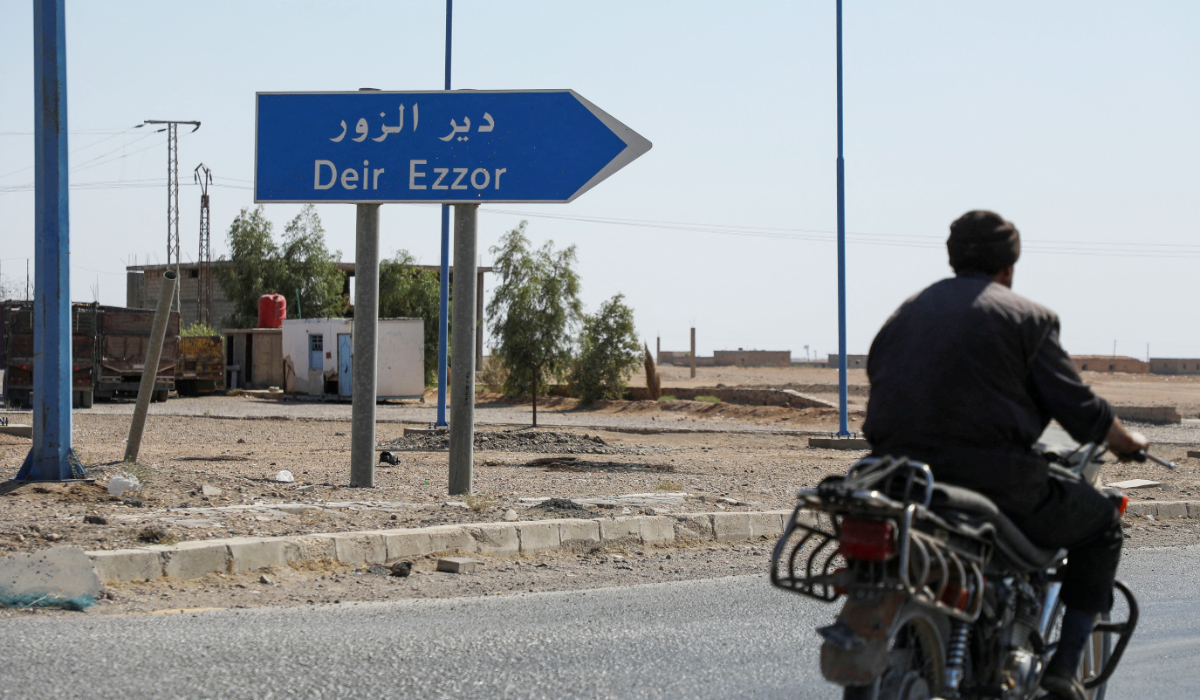
Syria's new leadership has intensified its counter-terrorism efforts, with authorities announcing the arrest of two suspected Daesh members in the eastern part of the country on Sunday. The detainees are accused of involvement in targeted killings, including the murder of a defense ministry official.
The arrests come as part of a broader campaign by the new authorities, who have been in power since late 2024 following the ousting of Bashar Assad. Since assuming control, the government has regularly announced the detention of suspected Daesh members and affiliated cells.
According to a statement from the internal security forces, the two individuals were apprehended following a close investigation. The arrests underscore the persistent security threats faced by Syria, despite significant territorial losses suffered by Daesh in recent years.
The new government's focus on counter-terrorism has been marked by a series of high-profile arrests and operations aimed at dismantling remaining terrorist networks. These efforts have been part of a broader strategy to stabilize the country and address the lingering security challenges that have plagued Syria for over a decade.
However, the arrests also highlight the continued presence of Daesh-affiliated cells in Syria, which have adapted to the changing security landscape by shifting towards guerrilla tactics and targeted assassinations. This evolution in tactics has posed new challenges for security forces, who must now contend with more elusive and unpredictable threats.
In response to these challenges, the new Syrian leadership has been working to strengthen its security apparatus and enhance its intelligence capabilities. This includes efforts to improve coordination between different security agencies and to bolster the capacity of local forces to respond to emerging threats.
The government has also been focusing on addressing the root causes of terrorism, including economic instability and social unrest. This multi-faceted approach aims to create a more stable and secure environment, reducing the conditions that allow terrorist groups to thrive.
Despite these efforts, the road to lasting peace and stability in Syria remains fraught with challenges. The country continues to grapple with the aftermath of a decade-long civil war, which has left deep-seated divisions and a fragile infrastructure. The presence of various armed groups, including remnants of Daesh and other extremist organizations, further complicates the security situation.
International support has been crucial in Syria's counter-terrorism efforts. Various countries and organizations have provided assistance in the form of intelligence sharing, military training, and financial aid. This support has been instrumental in enabling the Syrian government to enhance its capabilities and respond more effectively to the evolving threat landscape.
As Syria continues to navigate the complex challenges of post-conflict reconstruction and counter-terrorism, the new leadership's commitment to security and stability will be closely watched. The success of these efforts will not only determine the future of Syria but also have broader implications for regional security and stability.


