Peru Moves to Ban Bullfighting Amid Cultural Debate
 ··2 min read
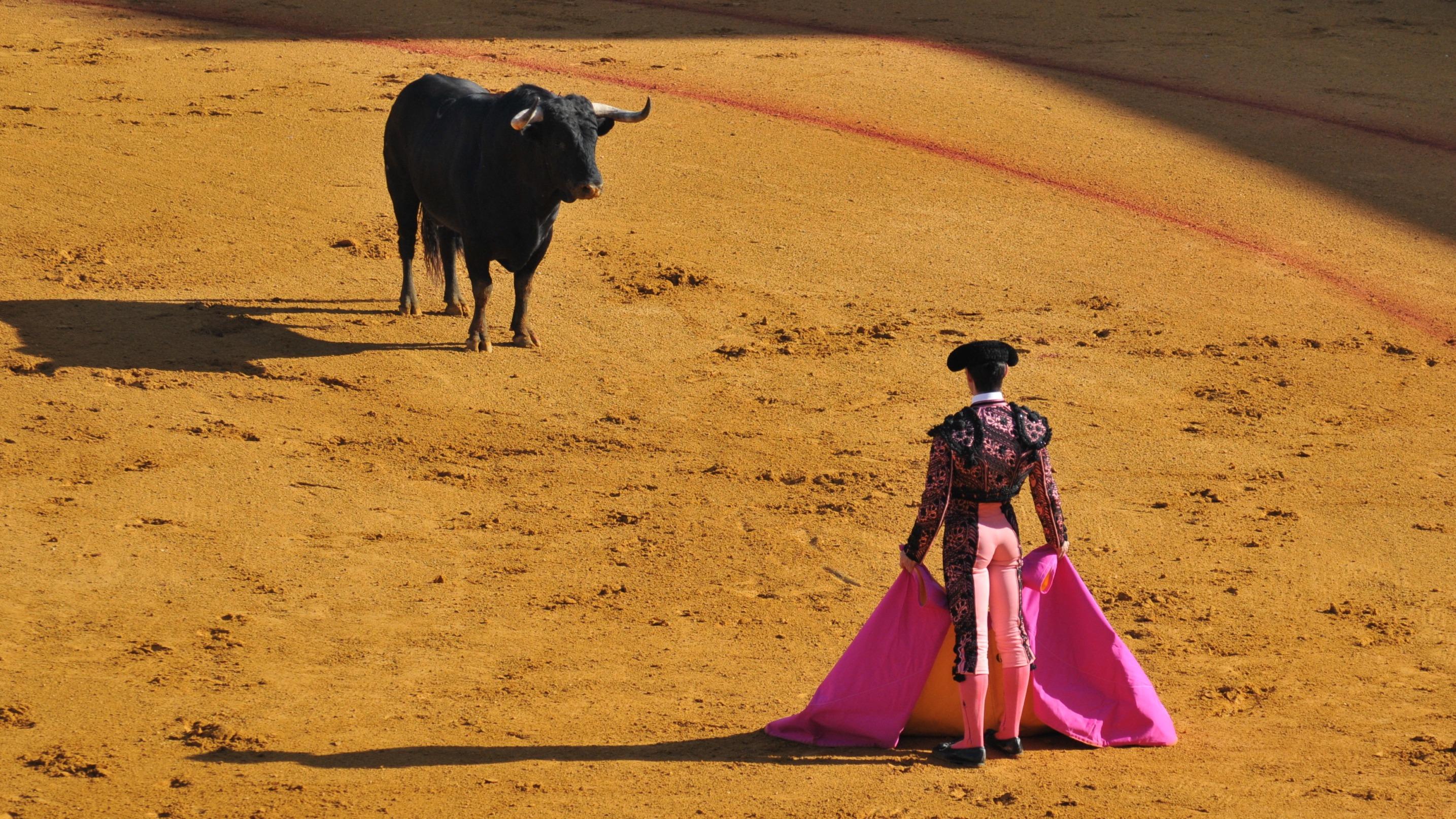
Peru's Congress is considering a bill that could outlaw bullfighting, a practice deeply rooted in the country's cultural heritage. The proposed legislation, submitted in recent days, aims to remove an exception that currently allows bullfighting to continue despite existing animal cruelty laws.
Peru has long recognized bullfighting as a national cultural exception, permitting the practice to evade the full scope of the country's animal welfare legislation. This exception has been a contentious issue, with animal rights advocates pushing for a ban and cultural preservationists arguing for its continuation.
The proposed bill seeks to eliminate this exception, which would effectively prohibit bullfighting across the country. If passed, the legislation would align Peru's animal protection laws more closely with those of other nations that have outlawed the practice.
Supporters of the bill argue that bullfighting is inherently cruel and that its continuation is inconsistent with modern animal welfare standards. They point to the suffering inflicted on the animals and the potential for human injury as reasons to end the practice.
Opponents, however, view bullfighting as an essential part of Peru's cultural identity. They contend that the practice has been a significant aspect of the country's heritage for centuries and that banning it would be a loss of cultural heritage.
Peru is one of the few countries in the world where bullfighting remains legal and is considered a cultural tradition. The practice is deeply ingrained in the national identity, with many viewing it as an art form and a symbol of national pride.
Bullfighting in Peru is not just a spectacle but also a source of livelihood for many families involved in the industry. Matadors, breeders, and other professionals associated with the practice would face significant economic challenges if the ban were to be implemented.
The debate over bullfighting in Peru is not new, but the introduction of this bill has reignited the controversy. Animal rights groups have long campaigned for an end to the practice, citing ethical and welfare concerns.
On the other hand, cultural preservationists argue that bullfighting is a unique and valuable part of Peru's heritage. They believe that the practice should be preserved as a cultural artifact, even if it means continuing to allow animal suffering.
If the bill is passed, it would mark a significant shift in Peru's stance on animal welfare and cultural preservation. The outcome of this debate will have far-reaching implications for both animal rights and cultural heritage in the country.