EU-Tunisia Relations: A Complex Partnership in Flux
 ··4 min read
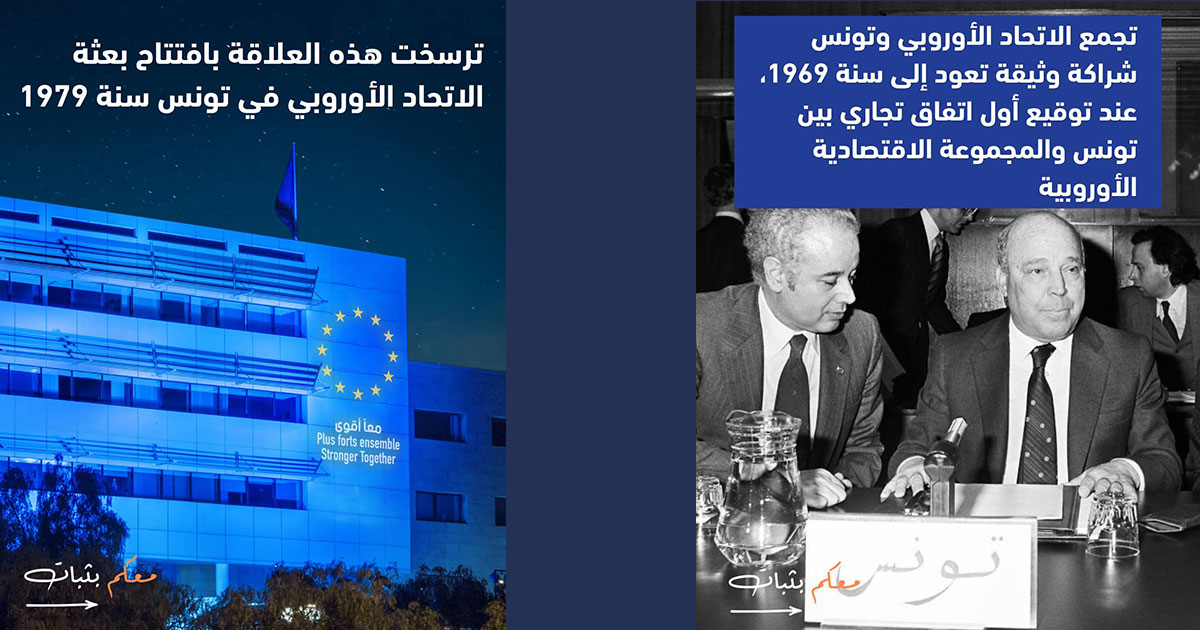
The European Union (EU) and Tunisia have reaffirmed their commitment to a shared future, with the EU Delegation in Tunisia emphasizing the importance of stability, prosperity, and shared growth in their partnership. This message was conveyed on November 5, 2026, as part of a communication campaign highlighting the bilateral relationship. The EU's statement comes at a time when voices within Tunisia are calling for a review of the 1995 Association Agreement, which is seen as heavily imbalanced and favoring European strategic interests.
The fourth meeting of the EU-Tunisia Joint Parliamentary Commission was held on the same day in Brussels. The two delegations issued a joint declaration reaffirming their commitment to regular and constructive dialogue based on mutual respect, trust, and shared interests. They also emphasized their commitment to common values enshrined in the Association Agreement, including democracy, the rule of law, and fundamental rights. Key areas of cooperation discussed included the economy, investment, energy, digital technology, youth, and mobility.
During the meeting, the EU Delegation in Tunisia reiterated its commitment to strengthening the partnership through enhanced cooperation, investments, and concrete initiatives aimed at supporting Tunisia's economic development, addressing common challenges, and creating new opportunities for citizens on both sides of the Mediterranean. The delegation highlighted the importance of ongoing dialogue, people-to-people exchanges, and the human, cultural, and economic ties that bind Tunisians and Europeans.
The EU-Tunisia partnership spans over half a century, with the first agreements signed in the 1960s. The 1995 Association Agreement was a significant milestone, aiming to foster political, economic, and social cooperation. However, the agreement has faced criticism in recent years, with many Tunisians arguing that it has not delivered the expected benefits and has instead favored European interests. The EU has consistently maintained that the agreement is a balanced and mutually beneficial partnership, but the calls for its review have grown louder, particularly in light of Tunisia's economic challenges and the need for more equitable trade terms.
The EU has been a significant partner for Tunisia, providing financial and technical support for various development projects. However, the partnership has also been marked by tensions, particularly surrounding trade and economic issues. The EU has been Tunisia's largest trading partner, but many Tunisians feel that the trade relationship is not reciprocal. The EU has consistently maintained that the Association Agreement is a balanced and mutually beneficial partnership, but the calls for its review have grown louder, particularly in light of Tunisia's economic challenges and the need for more equitable trade terms.
One of the key areas of contention is the issue of agricultural exports. Tunisia has long sought to increase its agricultural exports to the EU, but has faced significant barriers, including high tariffs and stringent quality standards. The EU, on the other hand, has been a major exporter of agricultural products to Tunisia, often at the expense of local Tunisian producers. The EU has consistently maintained that the Association Agreement is a balanced and mutually beneficial partnership, but the calls for its review have grown louder, particularly in light of Tunisia's economic challenges and the need for more equitable trade terms.
Another contentious issue is the matter of migration. The EU has been a significant partner for Tunisia in managing migration flows, providing financial and technical support for border control and migration management. However, many Tunisians feel that the EU's approach to migration is overly focused on preventing migration to Europe, rather than addressing the root causes of migration in Tunisia. The EU has consistently maintained that the Association Agreement is a balanced and mutually beneficial partnership, but the calls for its review have grown louder, particularly in light of Tunisia's economic challenges and the need for more equitable trade terms.
The EU has consistently maintained that the Association Agreement is a balanced and mutually beneficial partnership, but the calls for its review have grown louder, particularly in light of Tunisia's economic challenges and the need for more equitable trade terms. The EU has been a significant partner for Tunisia, providing financial and technical support for various development projects. However, the partnership has also been marked by tensions, particularly surrounding trade and economic issues. The EU has been Tunisia's largest trading partner, but many Tunisians feel that the trade relationship is not reciprocal. The EU has consistently maintained that the Association Agreement is a balanced and mutually beneficial partnership, but the calls for its review have grown louder, particularly in light of Tunisia's economic challenges and the need for more equitable trade terms.