
Tunisia's Security Apparatus: Legacy of Oppression or Necessary Evolution?
 ··3 min read
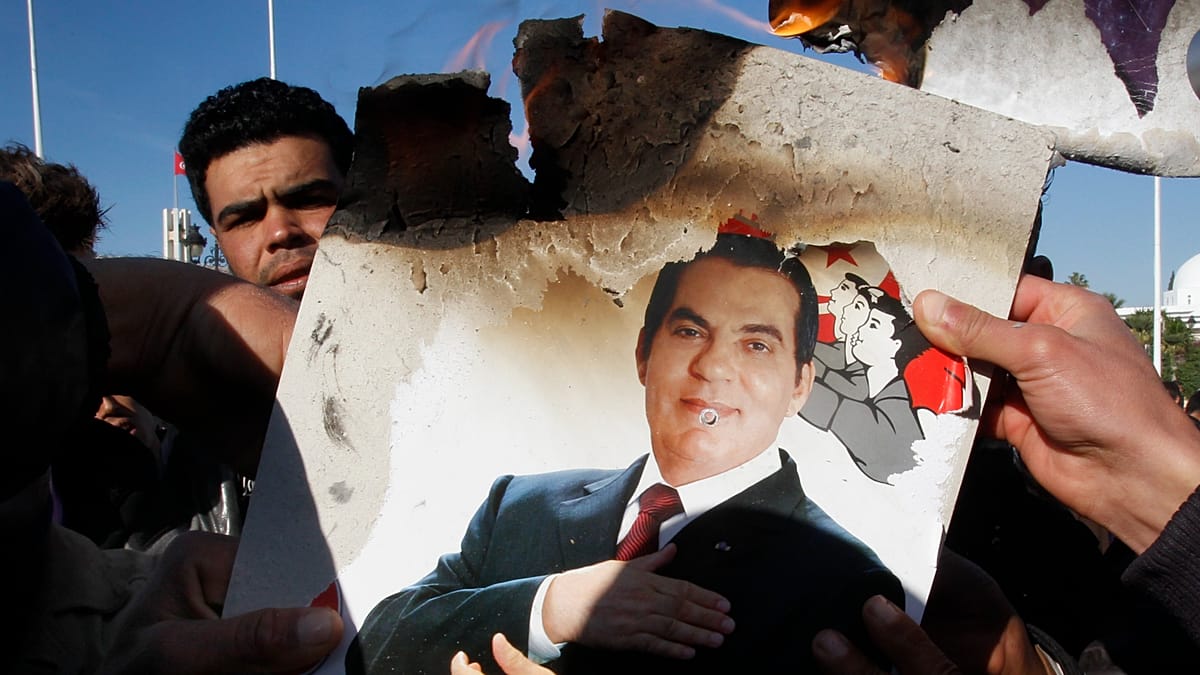
TUNIS, Tunisia — More than a decade after the ousting of President Zine El Abidine Ben Ali, Tunisia's security apparatus remains a contentious issue, with critics arguing that it has retained its oppressive legacy, while supporters claim it has evolved into a necessary tool for maintaining order.
Since the 2011 revolution, Tunisia has struggled to reform its security sector, which was once a pillar of Ben Ali's authoritarian regime. During his rule, security forces were instrumental in monitoring dissidents, suppressing freedoms, and containing protests. The legacy of this era continues to cast a long shadow over the country's security apparatus, with many Tunisians viewing it with suspicion and mistrust.
Critics argue that the security apparatus has retained many of its old habits, with reports of arbitrary arrests, torture, and other human rights abuses continuing to surface. According to Human Rights Watch, Tunisia's security forces have been accused of using excessive force against protesters and detaining individuals without charge. The organization has also documented cases of torture and ill-treatment in detention facilities, with victims reporting beatings, electric shocks, and other forms of abuse.
Supporters of the security apparatus, however, contend that it has evolved significantly since the revolution. They point to the fact that Tunisia has made significant progress in its democratic transition, with free and fair elections, a vibrant civil society, and a growing respect for human rights. They argue that the security apparatus has played a crucial role in maintaining stability and security in the country, despite the challenges posed by terrorism and political instability.
One of the key challenges facing Tunisia's security apparatus is the need to balance its role as a law enforcement agency with its role as a protector of human rights. This is a delicate balance, and one that Tunisia has struggled to achieve. Critics argue that the security apparatus has often prioritized its law enforcement role over its human rights obligations, leading to abuses and violations. Supporters, however, contend that the security apparatus has made significant strides in this area, with reforms aimed at improving transparency, accountability, and respect for human rights.
One of the most significant challenges facing Tunisia's security apparatus is the need to address the legacy of impunity that has long plagued the country. During Ben Ali's rule, security forces enjoyed near-total impunity, with few mechanisms in place to hold them accountable for abuses and violations. This culture of impunity has been slow to change, with many Tunisians still viewing the security apparatus as above the law.
In recent years, Tunisia has made some progress in addressing this issue, with the establishment of new institutions and mechanisms aimed at promoting accountability and transparency. However, much work remains to be done, and many Tunisians continue to view the security apparatus with suspicion and mistrust.
Despite the challenges facing Tunisia's security apparatus, there are also reasons for optimism. The country has made significant progress in its democratic transition, with free and fair elections, a vibrant civil society, and a growing respect for human rights. These developments have created a more favorable environment for reforming the security sector, with greater public scrutiny and pressure for change.
Moreover, Tunisia has received significant international support for its security sector reform efforts, with donors and partners providing financial and technical assistance. This support has helped to fund a range of initiatives aimed at promoting accountability, transparency, and respect for human rights within the security sector.
In conclusion, Tunisia's security apparatus continues to grapple with its legacy of repression, more than a decade after the fall of Ben Ali. While there are reasons for optimism, significant challenges remain, and much work is needed to ensure that the security apparatus evolves into a force for good, rather than a tool of oppression.


